


Rustic Kitchen Stool
These rustic kitchen stool pieces bring genuine utility and age to a home, shaped by generations of practical use.
Rustic Kitchen Stool
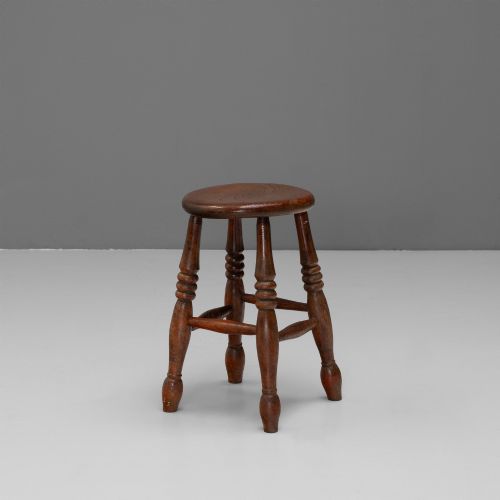
A rustic kitchen stool brings practical seating into domestic spaces, drawing on traditional forms shaped by everyday utility. When you search for a rustic kitchen stool, you encounter low dairy seats, tall bar variations, and workshop pieces designed for hard work.
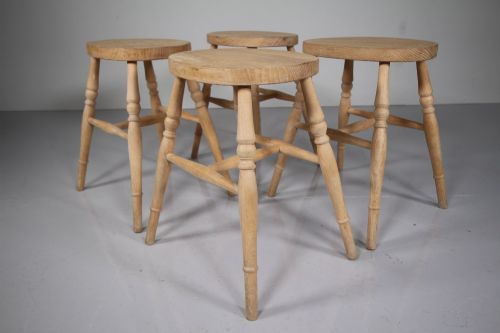
The selections here span periods from the nineteenth century through to the nineteen-forties, including Edwardian and Victorian country examples. Forms range from simple general purpose seats to matched sets intended for farmhouse tables.
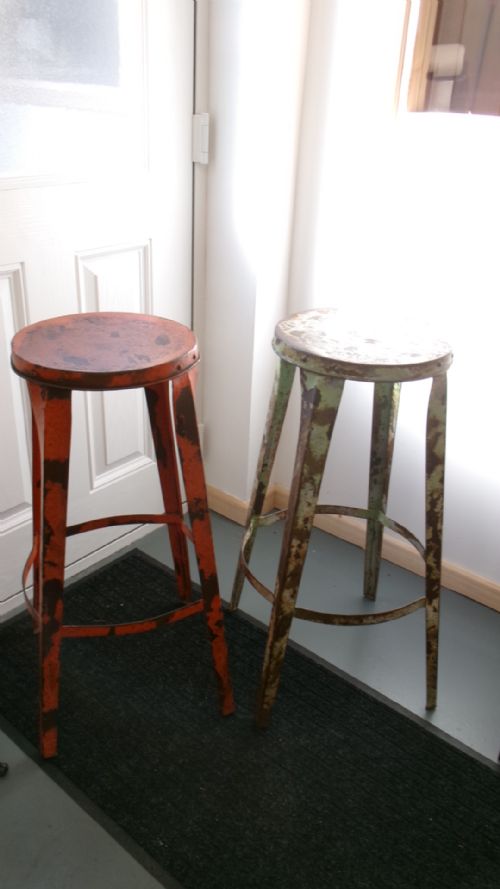
Makers utilised timber and iron to build sturdy perches that served workers in dairies, mills, and kitchens alike. These items reflect the honest construction methods of past centuries, prioritising function above ornament.
What varies in quality
The character of the timber grain and the integrity of the original construction set individual examples apart. Selection depends on whether a piece retains its honest surface wear or has undergone extensive restoration over time.
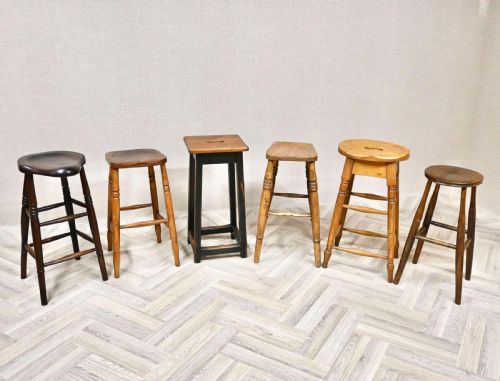
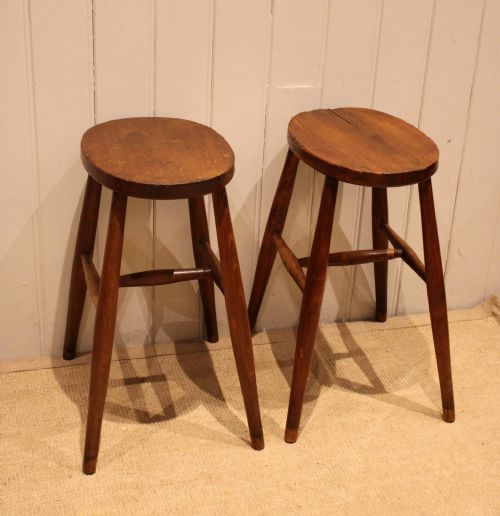
Proportion and stance dictate the visual weight of a seat, with well-turned legs and balanced footrests marking out superior craftsmanship. Variations in timber choice, from wild elm to plain beech, alter both the texture and the heft of the object.
Listings feature solid elm, beech, oak, and pine forms spanning the nineteenth century through to the nineteen-forties.
The Rustic Kitchen Stool Glossary
- Elm
- A tough, interlocking hardwood frequently chosen for stool tops because it resists splitting under heavy pressure. This timber develops a rich grain pattern over decades of handling.
- Windsor Stool
- A seating form featuring legs wedged directly into a thick wooden seat, echoing the construction of traditional Windsor chairs. Such pieces often display shaped saddles for comfort.
- Turnery
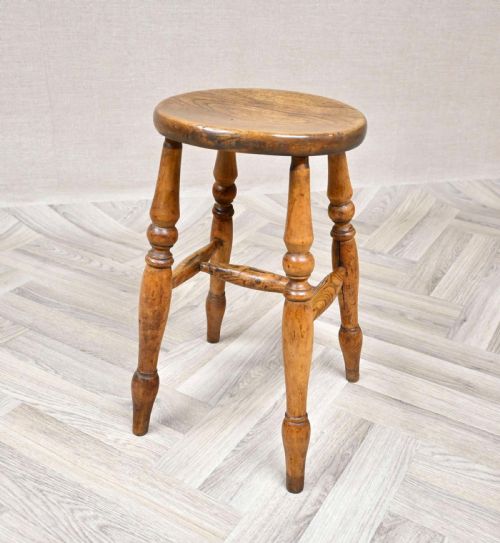
- The method of shaping wood on a lathe to create cylindrical and tapered components like legs and stretchers. Country makers used simple pole lathes for this task.
- Rush Seat
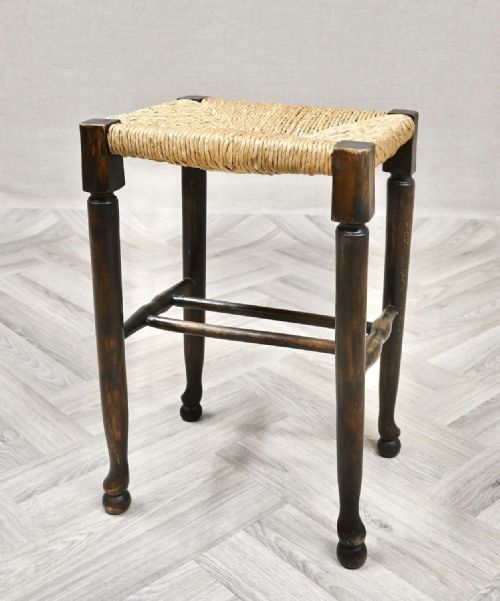
- A seating surface woven from dried marsh plants, providing a resilient and slightly flexible platform. These materials appear on traditional tall and low designs.
- Dairy Stool
- A low, three-legged seat originally used by milkmaids and farm workers for repetitive daily chores. Their simple tripod stance kept them stable on uneven floors.
Rustic Kitchen Stool: Frequently Asked Questions
How do I use a tall bar stool at home?
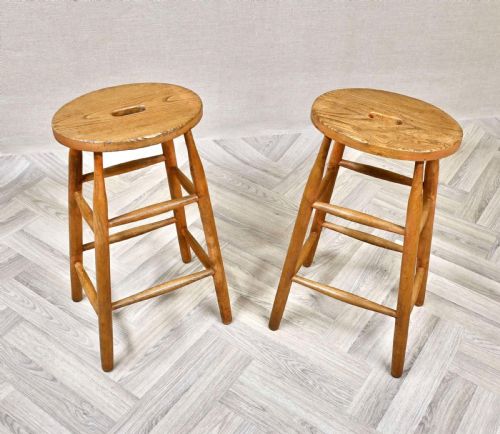
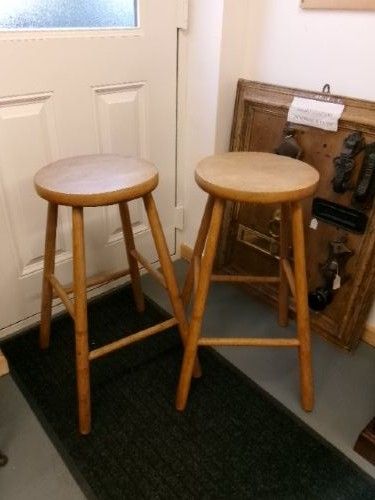
These tall perches suit kitchen islands, breakfast bars, and high workspaces where elevated seating is practical. Their sturdy footrests allow for comfortable seating during meals or social gatherings.
Position them around wooden counters to introduce textural contrast and historical character into modern interiors. Ensure you check the height of your counter against the seat level before placement.
Can I mix different wood types together?
Mixing elm, beech, oak, and pine pieces creates a collected look that reflects the organic growth of a traditional farmhouse kitchen. Country interiors historically relied on mismatched seating gathered over many years.
Focus on matching the general scale and era rather than demanding identical timber tones. The natural variations in grain and paint finish enhance the visual depth of the room.
How should I clean an old wooden seat?
Maintain the surface by dusting gently with a dry cloth and occasionally feeding the wood with natural beeswax. Avoid harsh chemical cleaners that can strip away historic patina and original paint.
Protect the timber from direct heat sources and excessive moisture to prevent warping or splitting. Gentle care preserves the honest wear that gives these functional objects their character.
What defines the Victorian country style?
This style emphasises utility, solid local materials, and unpretentious forms designed for rural homes and workplaces. Items from this period prioritise durability and straightforward construction over decorative flourishes.
Look for hand-turned legs, thick plank tops, and visible joint work that reveal the hand of the maker. These domestic items bring an unforced authenticity to contemporary living spaces.