


Rustic Kitchen Island Table
A rustic kitchen island table brings hard-working nineteenth-century utility into a modern room, offering generous workspace rooted in practical history.

Rustic Kitchen Island Table
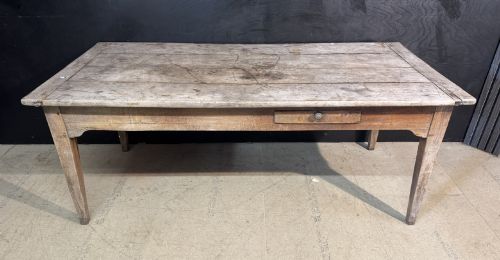
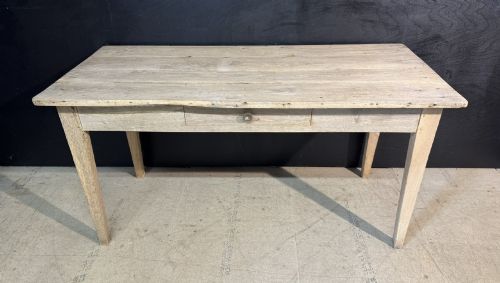
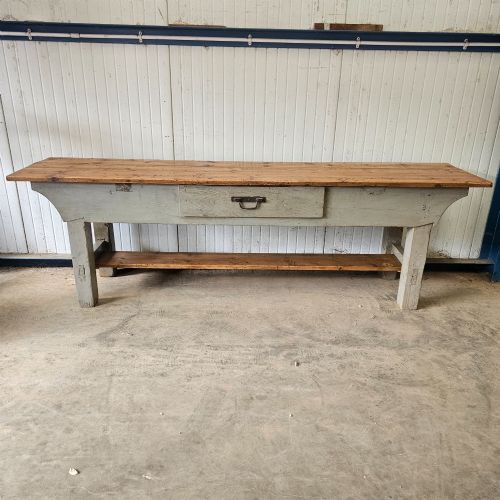
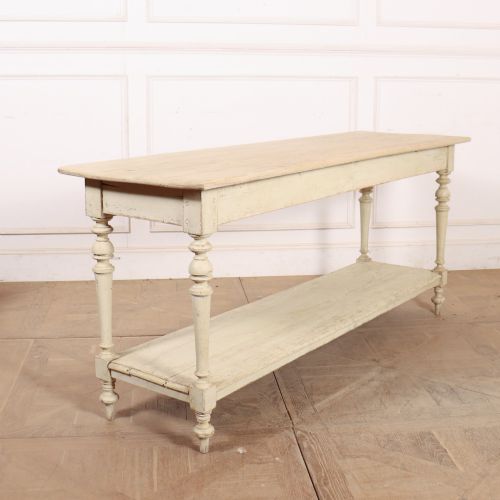
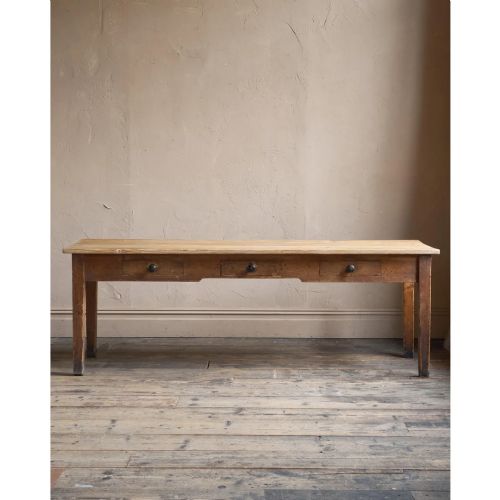
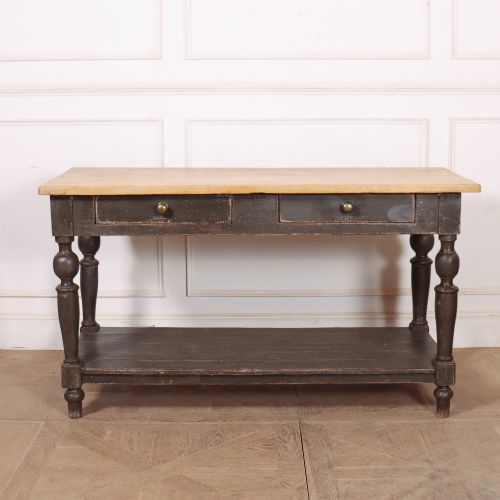
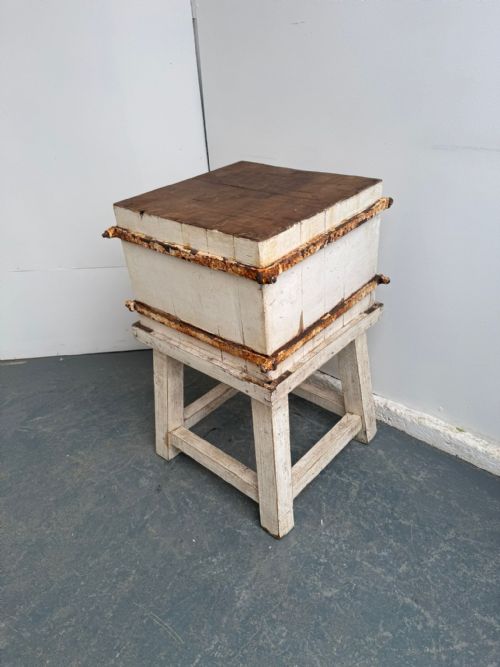
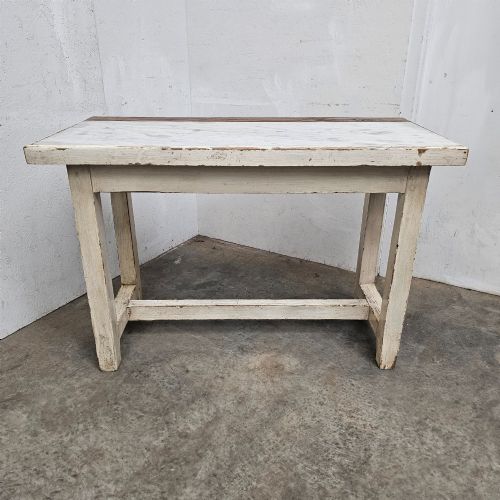
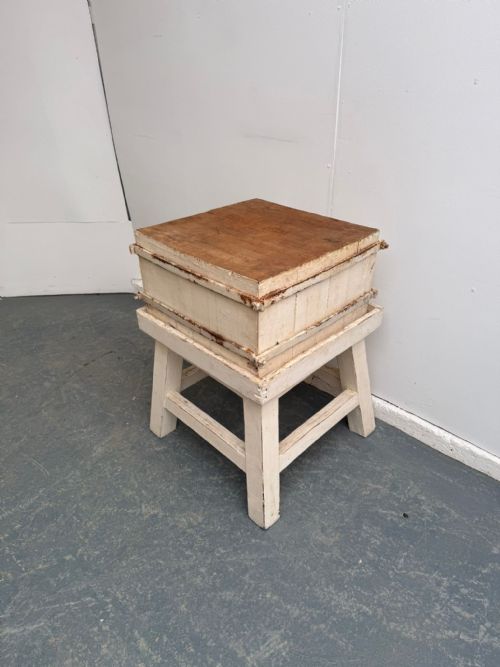
A rustic kitchen island table groups nineteenth-century serving tables, work tables, and prep tables into one heavy-duty category. These pieces originate from distinct regional traditions, appearing as Scandinavian country work surfaces or French country house preparation tables.
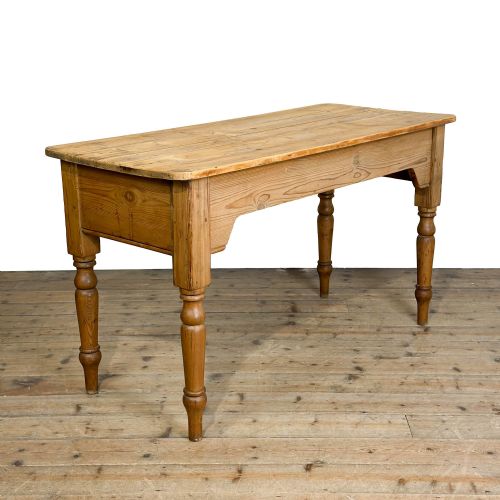
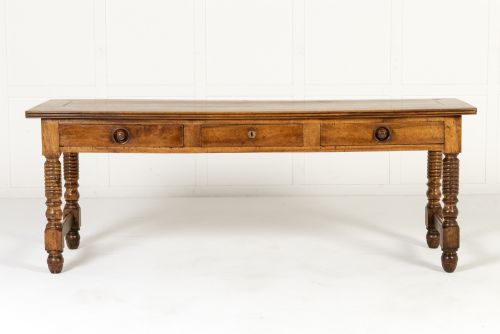
The version most commonly met on this page is the solid pine work table or baking table, often featuring practical drawer storage and open pot-shelves. Surviving examples carry the marks of daily domestic labour from the nineteenth century.
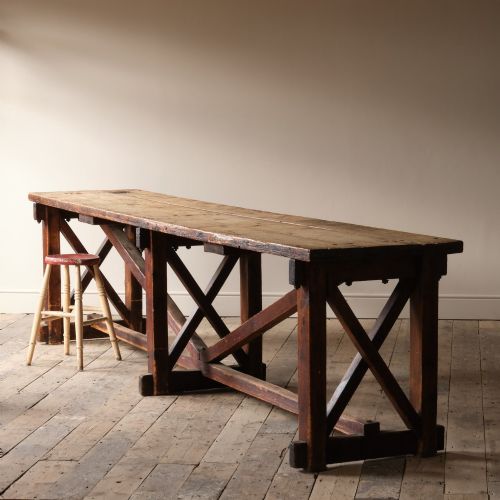
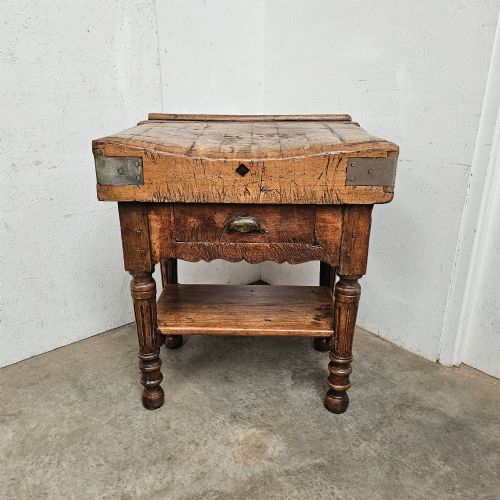
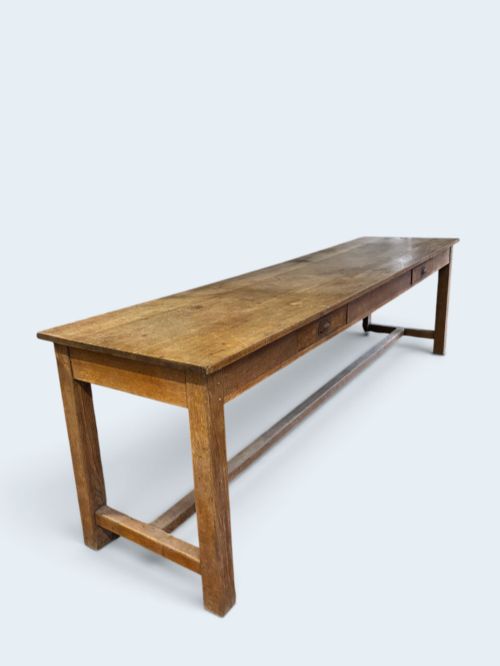
Buyers also encounter substantial architectural items adapted from industrial trades, such as long French country house workbenches fitted with integrated vices and deep timber tops.
How They Were Made
Construction relies heavily on solid pine and oak, timber chosen for structural endurance and availability during the nineteenth century. Joinery prioritises straightforward utility, using thick planks for working surfaces that could withstand heavy kneading, chopping, and assembling.
Surface treatments frequently involve original or historic paint finishes applied over softwood, alongside untreated timber tops seasoned by decades of scrubbing. Iron hardware appears on drawers and operational elements, providing robust mechanical support to wooden frames.
Rustic Kitchen Island Table Retail Price Guide 2026
Typical asking prices for rustic kitchen island table among the pieces listed under this phrase on Sellingantiques today, from the lower quarter to the upper quarter. They describe what is for sale here now, not the wider market.
A good baking table remembers every loaf of bread ever rolled across its pine planks.
What Varies in Quality
The standard of a rustic kitchen island table depends upon the integrity of its primary timbers and the honesty of its wear. Superior pieces retain thick original top boards that have not been excessively thinned by generations of sanding.
Proportion and scale distinguish exceptional regional examples from standard utility pieces, particularly in longer formats like the eight-and-a-half-foot French workbench. The presence of authentic architectural details, such as pot-shelves and deep drawers, elevates the visual weight and historical interest.
The Rustic Kitchen Island Table Glossary
- Pot-Shelf
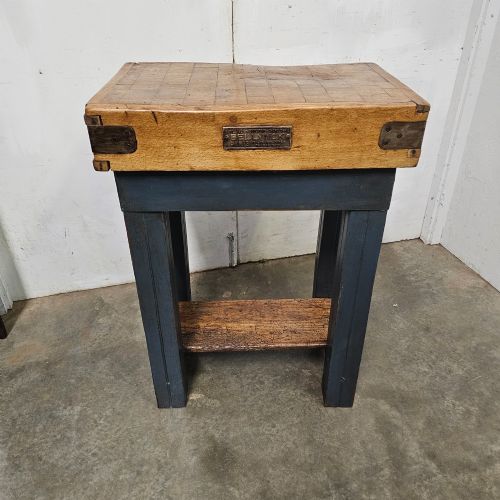
- A low open shelf positioned beneath the main surface of a table, traditionally used for storing heavy pots and culinary vessels.
- Prep Table
- A utilitarian wooden table designed specifically for food preparation, characterised by a thick scrubbed top and sturdy legs.
- Baking Table
- A specialised nineteenth-century work table featuring a smooth softwood surface suited for rolling dough and pastry.
- Workbench
- A heavy trade table adapted from a workshop environment, featuring thick timber tops and integral vices for manual labour.
Rustic Kitchen Island Table: Frequently Asked Questions
How were these tables used originally?
These tables served as the central workspace in nineteenth-century kitchens, bakehouses, and workshops for food preparation and daily domestic labour.
Their heavy construction allowed them to withstand constant chopping, kneading, and tool use without shifting.
Are these tables suitable for modern kitchens?
They function exceptionally well as freestanding kitchen islands, providing generous preparation space and practical under-bench storage.
Their substantial nineteenth-century proportions anchor open-plan rooms and introduce historic character to contemporary spaces.
How do I care for a wood top?
Maintain the timber surfaces by wiping them clean with a damp cloth and avoiding harsh chemical cleaning agents.
Treating scrubbed pine or oak with natural oils helps preserve the wood without masking its historic patina.
How do I identify French and Swedish styles?
French country examples often display robust proportions and practical pot-shelves designed for heavy domestic service.
Swedish country pieces frequently feature painted finishes and clean architectural lines developed for northern European interiors.