
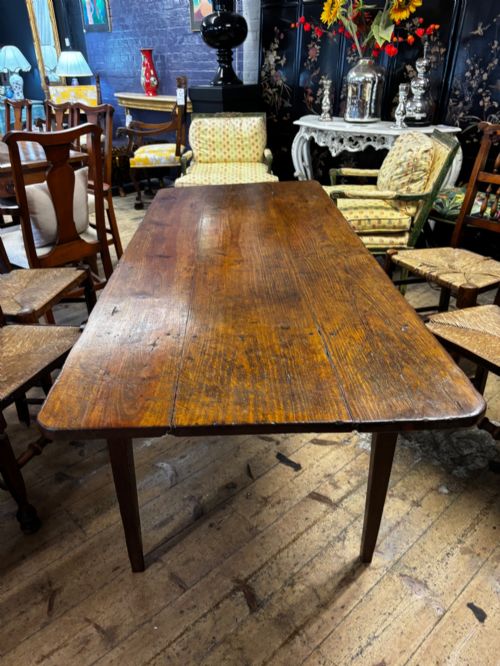
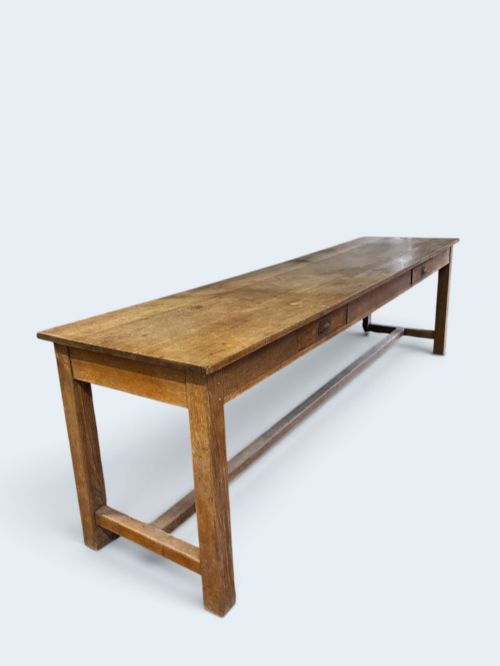
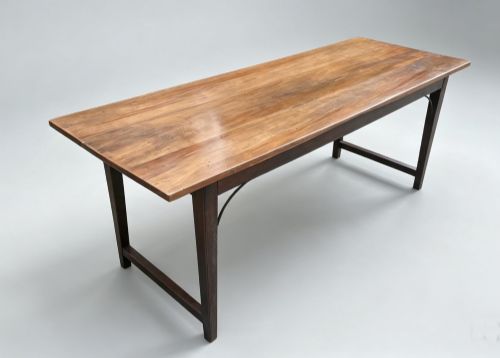
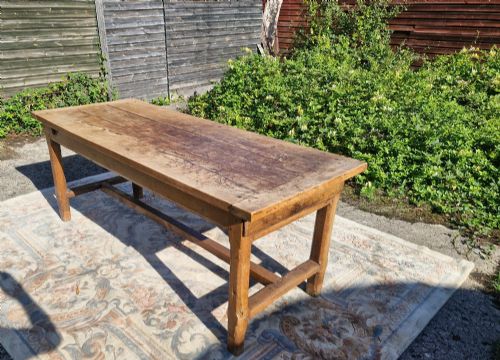
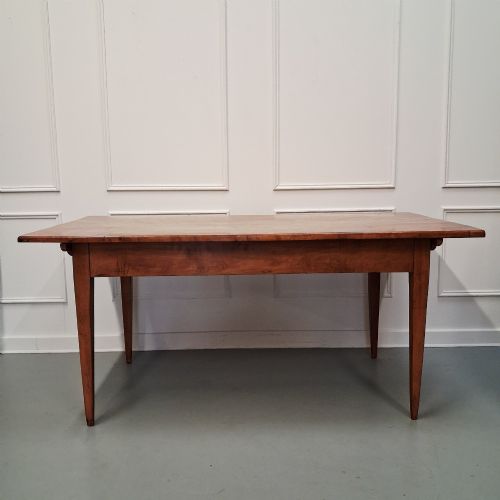
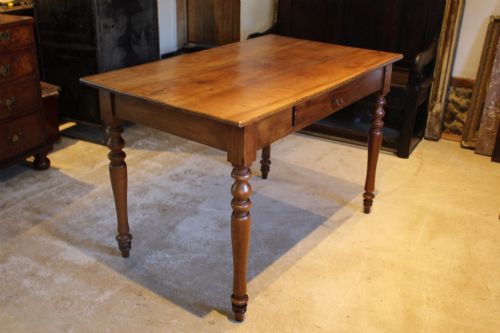
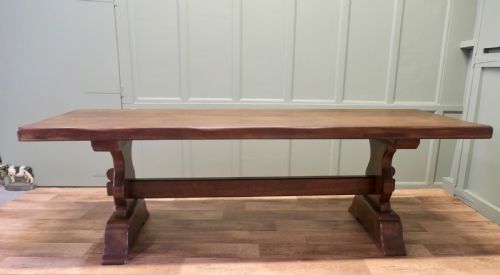
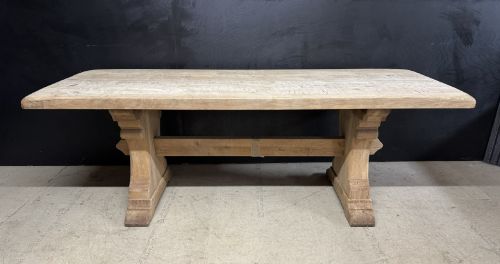
Rustic French Refectory Table
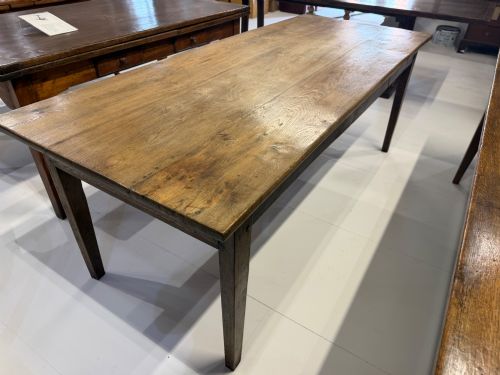
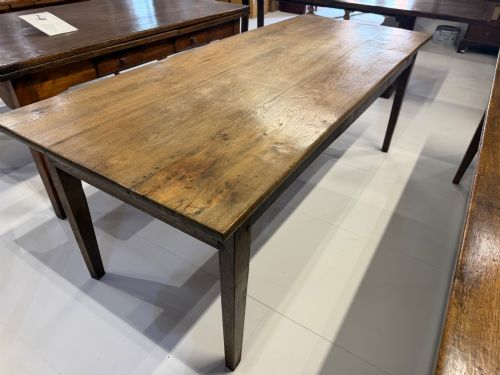
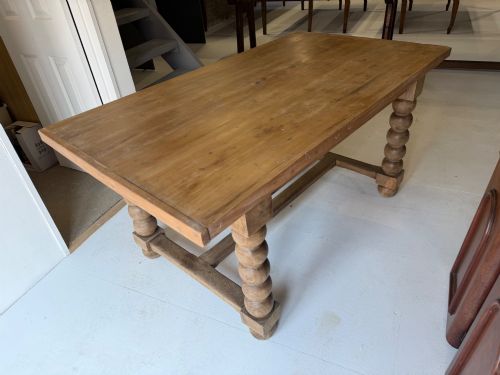
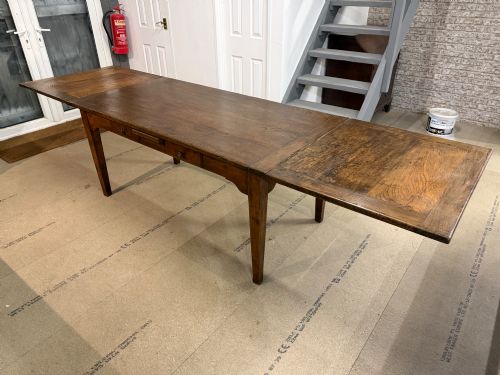
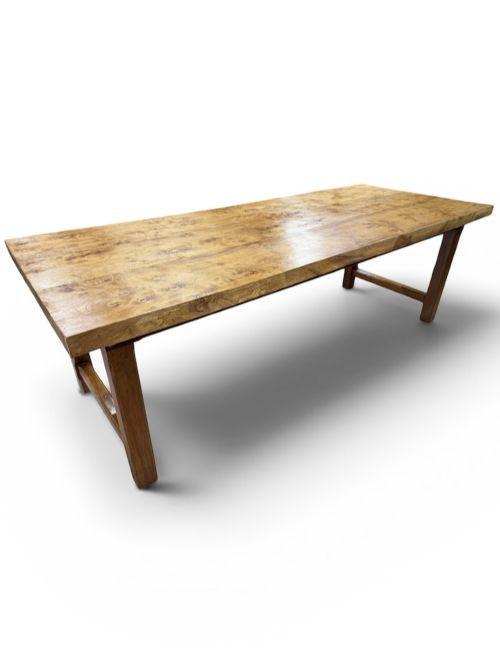
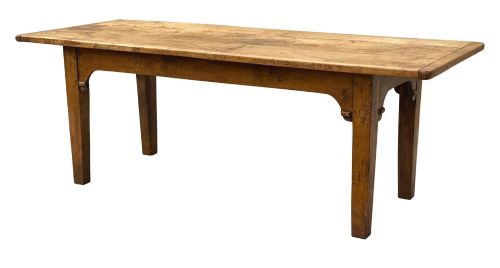
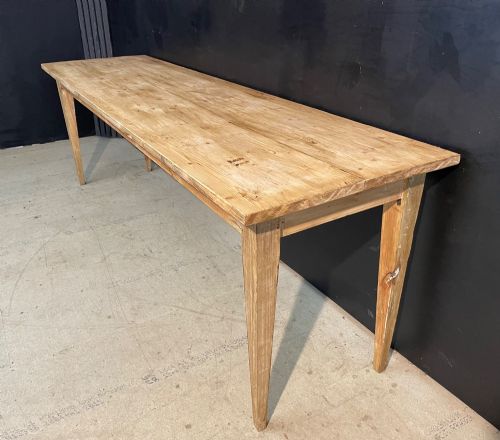
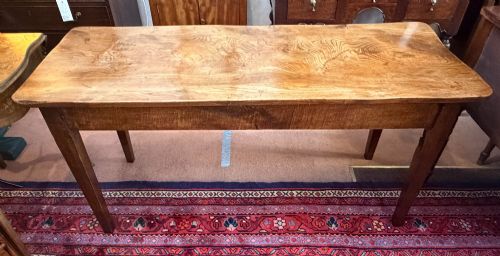
A rustic french refectory table anchors a room with generations of utility, offering a broad timber surface built for communal dining.
Rustic French Refectory Table
When searching for a rustic french refectory table, buyers encounter long dining surfaces originating from provincial settings and designed for everyday communal meals. These pieces span several centuries, with the nineteenth century heavily represented alongside examples from the eighteenth century and early twentieth century.
The most common iterations on this page combine sturdy timber tops with substantial frames, sometimes incorporating functional additions like storage drawers. Regional workshop traditions emerge through variations in length and timber selection, ranging from compact kitchen formats to grand multi-metre proportions.
Distinctions in quality
Quality rests in the selection of primary timbers and the integrity of the original board construction, where dense hardwoods like oak and cherry command greater substance than softer alternatives. The proportion between the length of the top and the stability of the underframe dictates the overall structural success of the piece.
Several dining surfaces arrive equipped with up to eight drawers, proving that French cooks stored everything within arm's reach of the roast.
The Rustic French Refectory Table Glossary
- Refectory table
- A long dining table traditionally used in communal dining halls. These forms translate into domestic kitchen and dining environments with generous proportions.
- Fruitwood
- A collective term for timber sourced from fruit-bearing trees such as cherry, pear, or apple. It yields a warm tone and fine grain suitable for provincial cabinetmaking.
- Bleached oak
- Oak timber that has been chemically or sun-lightened to reduce its natural dark tannin colour. This treatment creates a lighter surface finish popular in twentieth-century country interiors.
- Monastery table
- A heavy variant of the refectory table featuring substantial timber framing and thick tops. They derive their name from large institutional dining arrangements.
- Two-board top
- A tabletop constructed from just two wide planks joined together. This indicates timber harvested from mature trees of significant girth.
Rustic French Refectory Table: Frequently Asked Questions
How do I clean a wooden farmhouse table?
Maintenance requires simple wiping with a damp cloth to remove everyday debris, avoiding harsh chemical cleaners that strip the finish.
Periodic application of natural wax helps nourish the timber and preserves the historical surface patination accumulated over decades of use.
Are these tables suitable for daily family dining?
These dining surfaces were originally constructed for heavy everyday use in active kitchens and farmhouses, making them inherently robust.
The solid timber construction and thick tops readily accommodate daily family life while developing further character through use.
What is the difference between oak and fruitwood tables?
Oak provides a dense, heavy structure with prominent grain patterns and high durability suited to large structural formats.
Fruitwood timbers, such as cherry or apple, typically offer finer grain structures and warmer reddish or amber tones.
How can I tell the age of a table?
Dating relies on observing construction marks, timber characteristics, and hardware types used in drawers or frame assembly.
Earlier eighteenth-century and nineteenth-century examples display hand-worked joinery techniques that differ from twentieth-century production methods.