
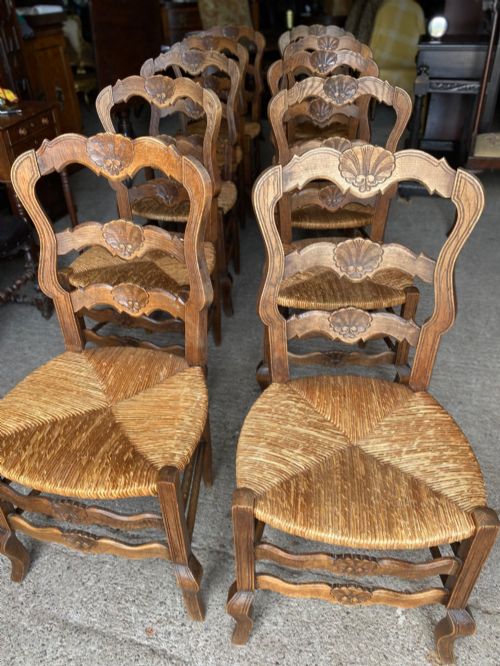


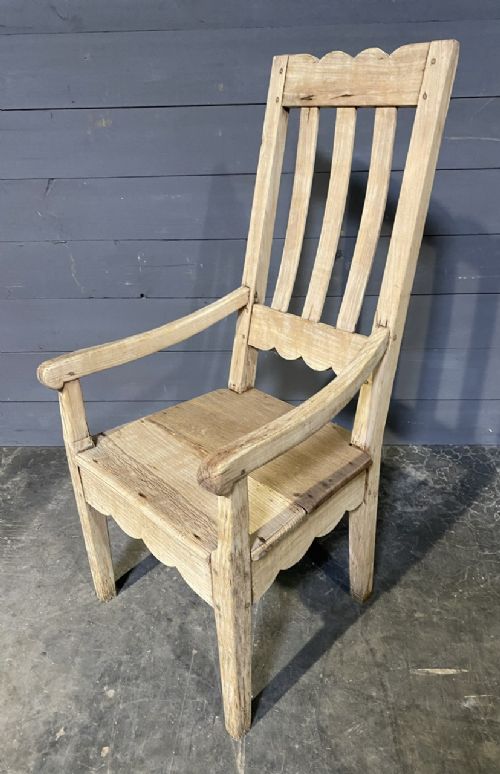


Rustic French Provincial Chair
A rustic french provincial chair brings enduring charm and organic warmth to any room, offering comfortable seating rooted in traditional European craftsmanship.
Rustic French Provincial Chair
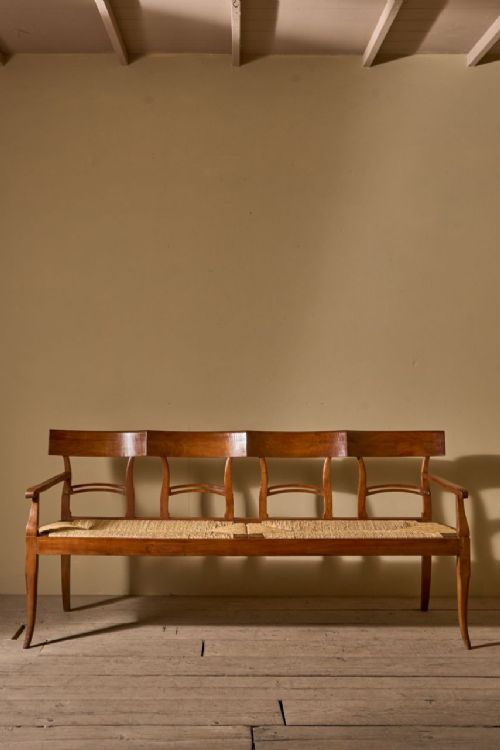
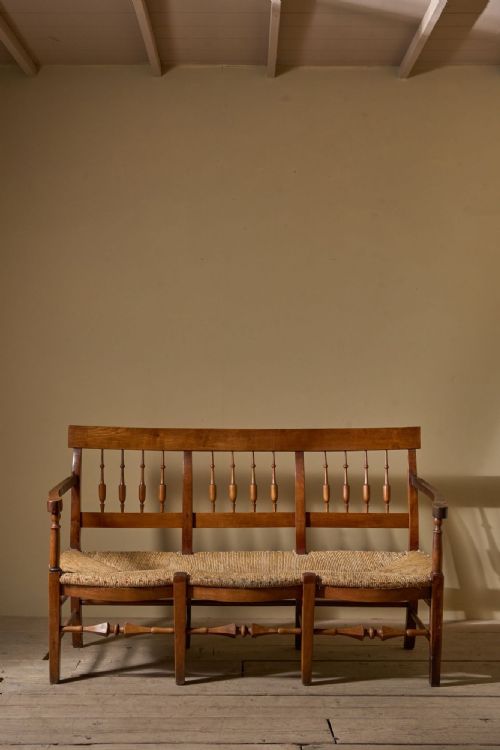
A rustic french provincial chair embodies the unpretentious elegance of rural European homes, ranging from single armchairs to sets suited for dining. When searching for a rustic french provincial chair, buyers encounter various seating options including ladder backs, wingbacks, and rush seated benches spanning the eighteenth and nineteenth centuries.
The inventory showcases pieces originating from French country workshops, featuring regional variations such as Breton styling and Louis XV influences. These items serve practical daily functions while retaining the distinct character of provincial joinery.
Most examples found here date from the nineteenth century, alongside earlier eighteenth-century armchairs and twentieth-century dining sets. The forms remain remarkably functional, transitioning easily from kitchen seating to hallway benches.
How they were made
Local timbers such as oak, cherrywood, and fruitwood form the structural foundation of these chairs, shaped by regional makers using traditional joinery methods. Woods were selected for local availability and durability, resulting in sturdy frames designed for daily household use.
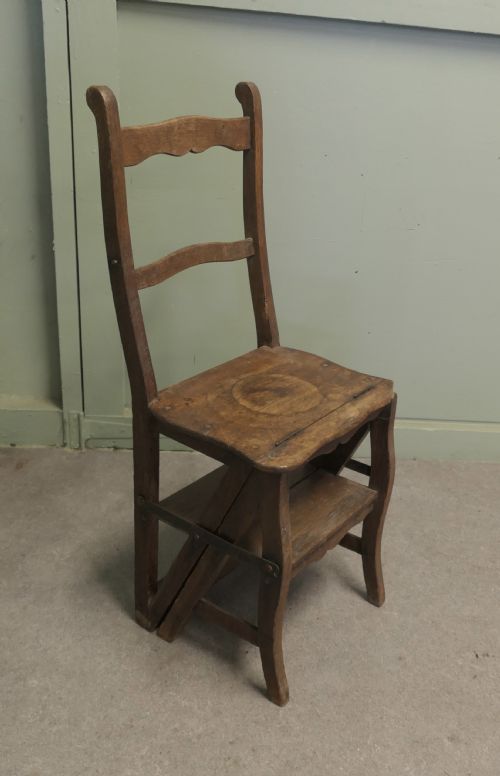
Seats incorporate woven natural rush to provide flexible yet resilient support within the wooden frameworks. Iron components appear occasionally in specific mechanical forms like metamorphic steps, adding structural versatility to the wooden designs.
Current listings feature pieces constructed from oak, cherrywood, fruitwood, and pine, incorporating woven rush and textile elements.
What varies in quality
Quality reveals itself through the integrity of the timber framing and the tightness of the rush weaving across the seat. Superior examples display harmonious proportions and evidence of skilled hand-shaping in the rungs and stiles.
The depth of surface patination and the preservation of the original wood grain distinguish finer provincial pieces from simpler utility items. Complete sets matching in timber tone and joinery detail naturally command greater interest than assembled groups.
The Rustic French Provincial Chair Glossary
- Rush
- Dried marsh grass tightly woven to form resilient, supportive seating surfaces. This material appears frequently on traditional country dining chairs and benches.
- Fruitwood
- Dense timber sourced from fruit-bearing trees such as cherry or pear, prized for smooth grain and warm tones. Cabinetmakers utilised these woods for provincial seating and tables.
- Ladder back
- A chair frame featuring horizontal wooden slats between the upright rear posts. This regional design provides sturdy back support while remaining relatively light.
- Wingback
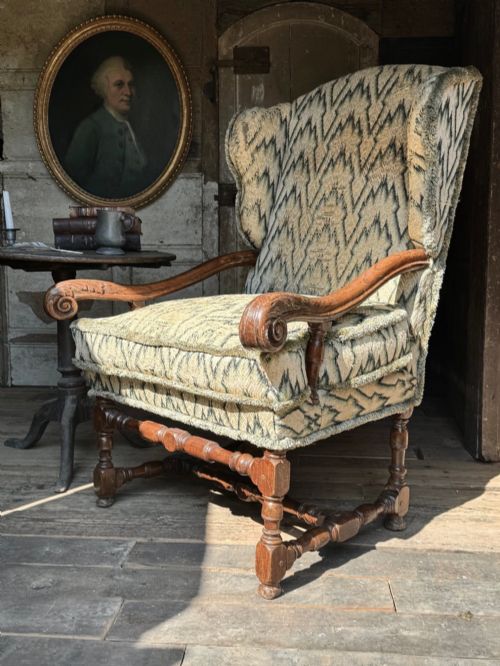
- An armchair featuring protective side panels designed to shield the sitter from draughts. Eighteenth-century examples represent the earlier end of provincial seating design.
Rustic French Provincial Chair: Frequently Asked Questions
How do I clean a rush seat?
Gently brush away dust between the woven strands using a soft dry bristle brush. Avoid saturating natural rush with water, as excess moisture causes the dried grass to weaken over time.
For minor marks, wipe lightly with a barely damp cloth and dry immediately. Maintaining a stable indoor humidity prevents the natural fibres from becoming brittle.
Are these chairs comfortable for daily use?
Provincial seating was built for practical domestic life, meaning ergonomics were tailored to long meals and gatherings. The woven rush conforms slightly to the sitter, offering a supportive surface.
Armchairs and dining chairs alike provide robust support, though adding a simple linen pad can increase comfort during extended periods of sitting.
How do I identify eighteenth-century pieces?
Earlier pieces display distinct hand-carved joinery marks and deeper patination accumulated through generations of use. Oak wingbacks from this period show heavier timber scantlings and simpler, robust proportions.
Examining the underside reveals tool marks and construction methods consistent with pre-industrial provincial workshops rather than later factory production.
Can I mix different chair styles together?
Country interiors traditionally embraced assembled collections of seating rather than strict matching suites. Combining ladder backs with occasional armchairs creates an authentic provincial aesthetic.
Matching timber tones or similar period origins helps unify diverse seating around a shared dining table or within a hallway.