
Rustic French Oak Table
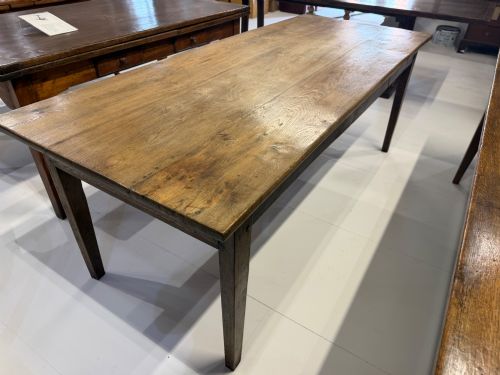
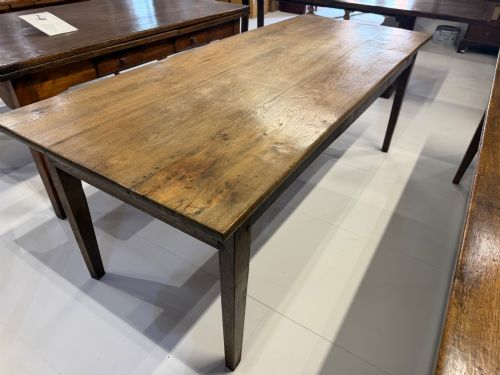
A rustic french oak table brings centuries of provincial utility into modern rooms through honest timber and straightforward construction.
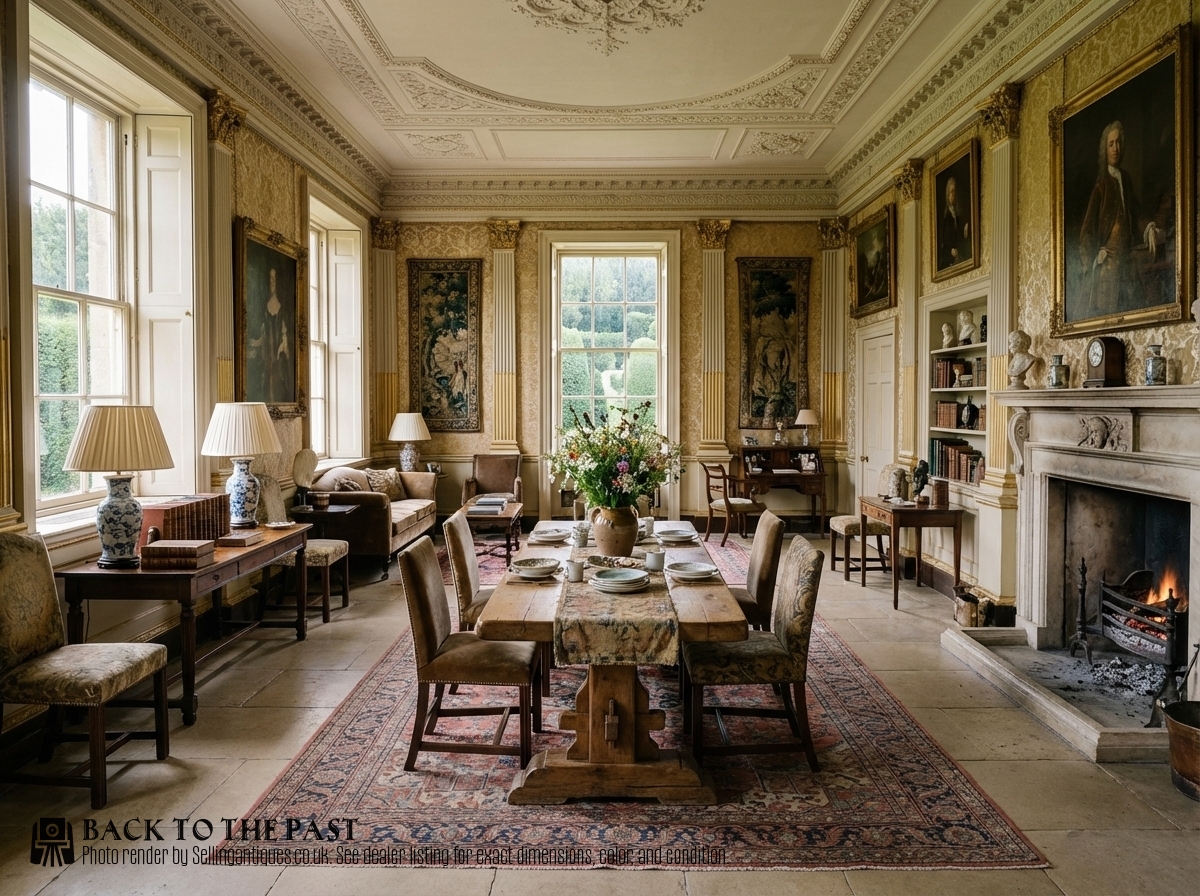
Rustic French Oak Table
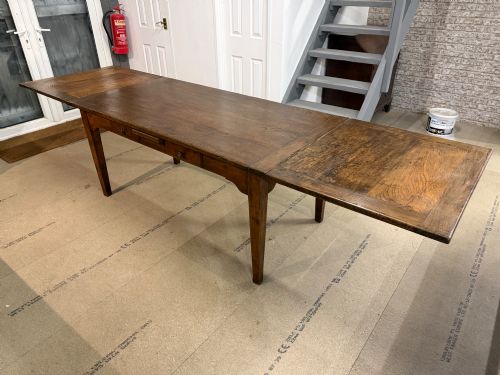
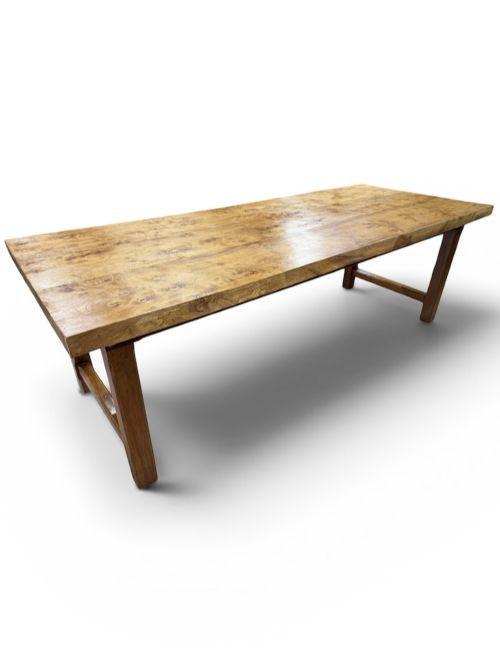
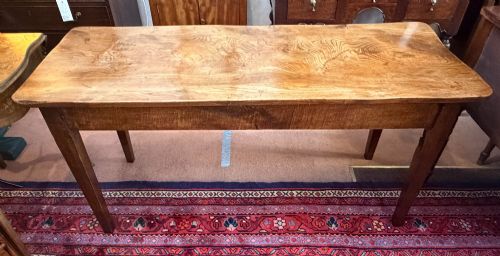
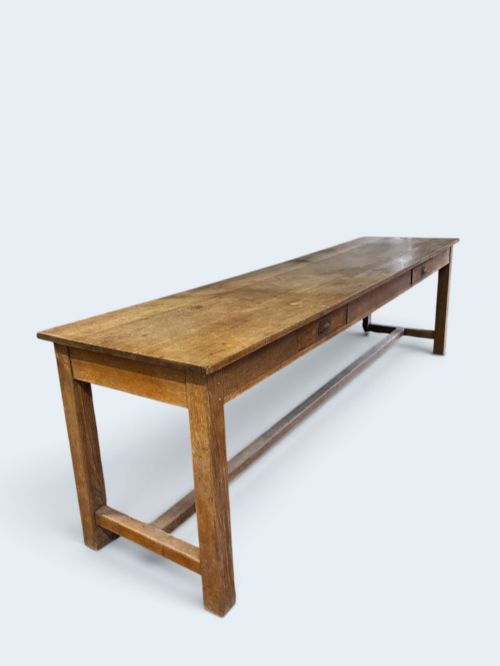
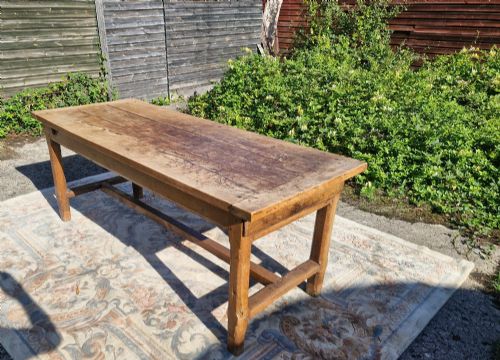
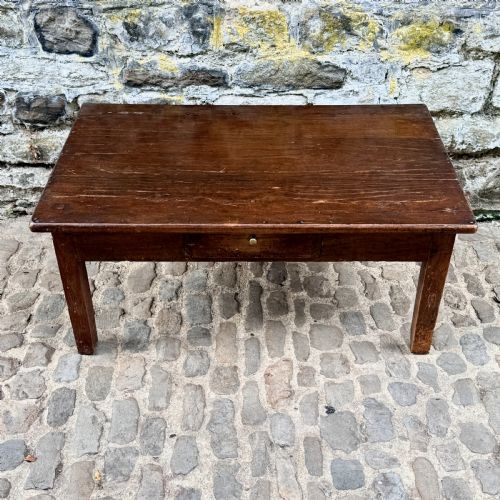
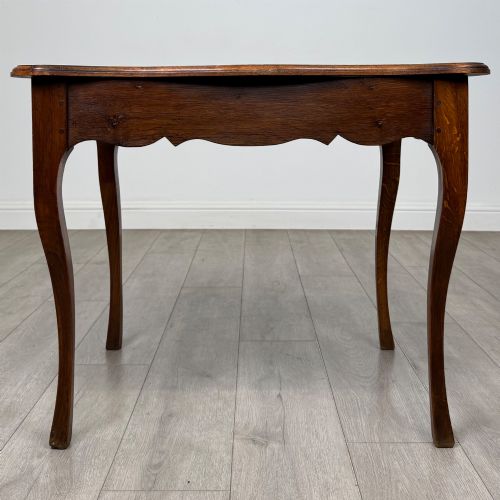
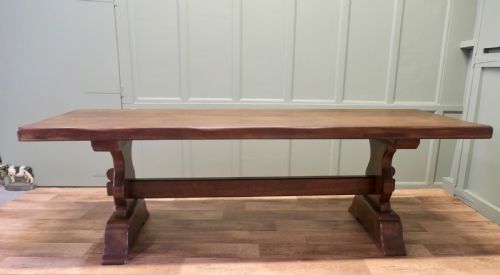
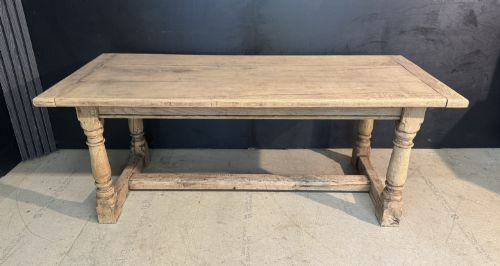
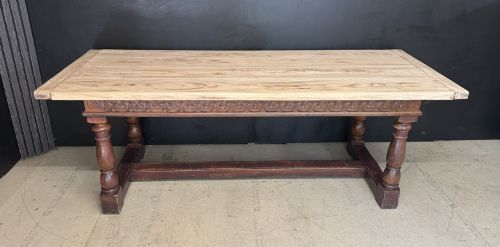
A rustic french oak table spans dining formats, refectory lengths, and compact coffee tables shaped by provincial workshops across the nineteenth and eighteenth centuries. Buyers searching this phrase most frequently encounter nineteenth-century dining and farmhouse forms, alongside refectory designs and serving tables.
Materials and Construction
Makers built these pieces primarily from solid oak and timber frames, occasionally pairing oak tops with pine, beech, or chestnut elements for secondary structures and drawers. Iron and brass hardware appears on functional components like drop-leaves, folding mechanisms, and workbenches.
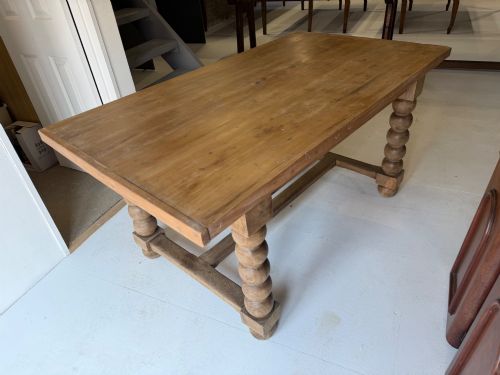
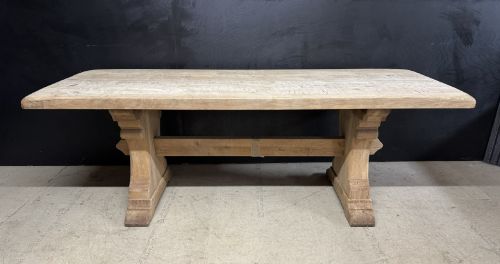
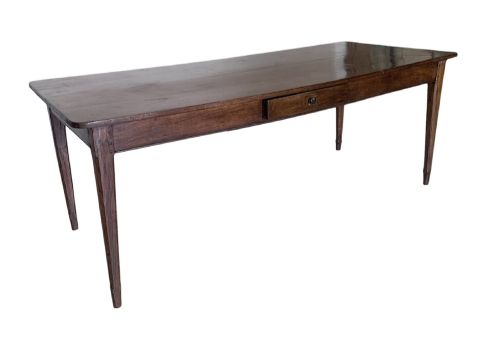
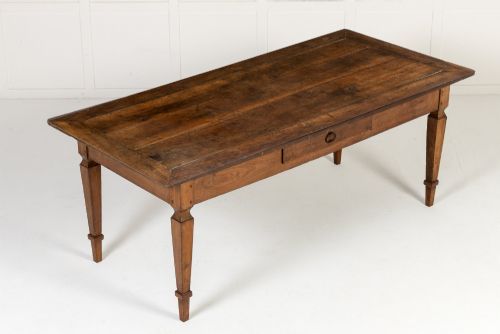
Construction relied on thick planks joined simply and solidly, with tapered, bobbin, or barrel legs supporting heavy tops. Surfaces were left natural, bleached in later twentieth-century interpretations, or washed to reveal the grain of the wood.
Found forms range from eight-foot dining refectories down to small side tables and drop-leaves.
Assessing Quality and Proportion
Quality rests in the integrity of the timber planks, the thickness of the top, and the balance between the base and the surface. Superior examples maintain structural soundness without excessive modern intervention, retaining their original timber rather than composite replacements.
Proportion and scale distinguish finer country pieces, where leg placement and apron depth accommodate seating comfortably. The relationship between the primary oak top and secondary woods reveals the care taken by regional carpenters.
The Rustic French Oak Table Glossary
- Refectory table
- A long dining table traditionally used for communal dining, characterised by substantial length and stretcher-supported legs. These pieces provide stable seating for large gatherings.
- Bread slide
- A pull-out shelf integrated beneath the tabletop, historically used for cooling bread or expanding workspace. This feature appears frequently on provincial farmhouse tables.
- Bleached oak
- Oak that has been treated to lighten the natural tone of the wood, a finish common on twentieth-century interpretations of nineteenth-century forms. This process softens the visual weight of heavy timber.
- Vendange table
- A folding table designed for grape harvest work in French vineyards, constructed for easy storage. Their folding frames make them versatile for smaller contemporary spaces.
- Monastery table
- A heavy, formal variant of the refectory table, often built with thick timber slabs and robust stretchers. These pieces offer exceptional stability and presence.
Rustic French Oak Table: Frequently Asked Questions
How do I clean a rustic oak table?
Wipe the surface with a damp cloth and mild soap, avoiding harsh chemical cleaners that strip the patina. Dry the timber immediately to prevent moisture damage.
Apply natural beeswax periodically to nourish the dry oak and protect the grain from everyday stains without sealing the wood unnaturally.
Can I use an antique oak table for daily dining?
These tables were built for heavy domestic work and easily withstand daily meals and family gatherings. Their solid construction handles active environments well.
Use placemats and coasters to protect the antique surface from excessive heat and moisture while enjoying the character of the worn timber.
What is the difference between a refectory and a farmhouse table?
Refectory tables typically feature long, narrow proportions supported by stretcher bases designed for stability over great lengths. They originated in communal dining halls.
Farmhouse tables often include practical additions like drawers or bread slides, reflecting domestic kitchen use rather than large-scale dining.
How do I date an antique oak table?
Examine the joinery methods, tool marks on the underside of the planks, and the wear patterns around the legs and stretchers. Hand-cut joints and uneven timber thickness point to earlier periods.
Compare the style of the legs, such as tapered or bobbin turns, against regional cabinet-making traditions from the eighteenth and nineteenth centuries.