

Rustic French Cabinet
These rustic french cabinet pieces combine provincial utility with enduring regional character, offering practical storage grounded in centuries of European joinery.
Rustic French Cabinet
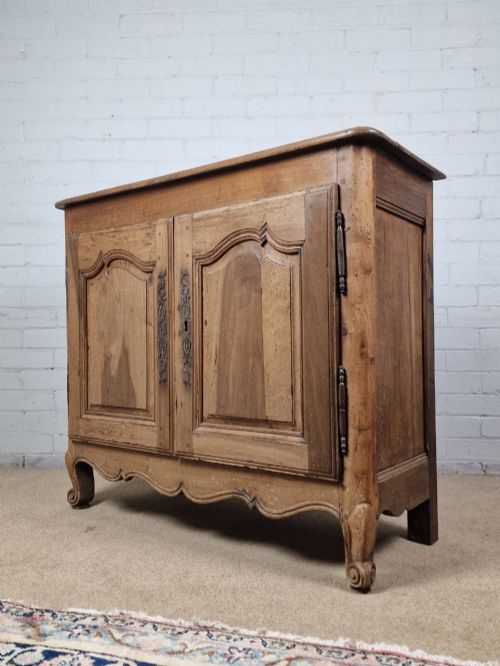
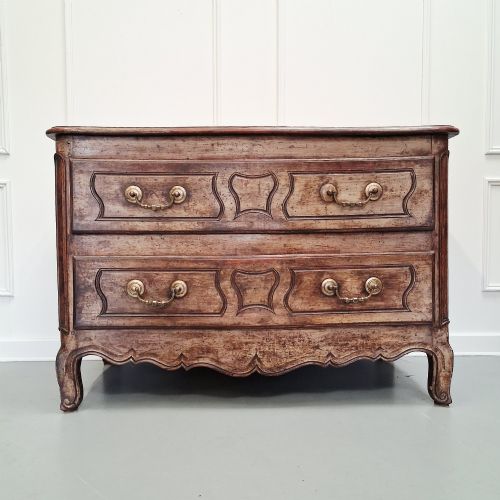
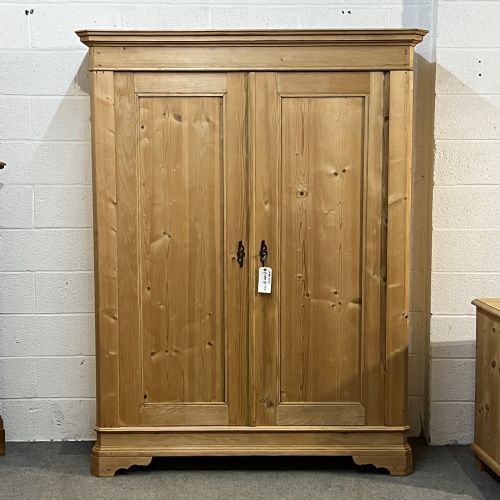
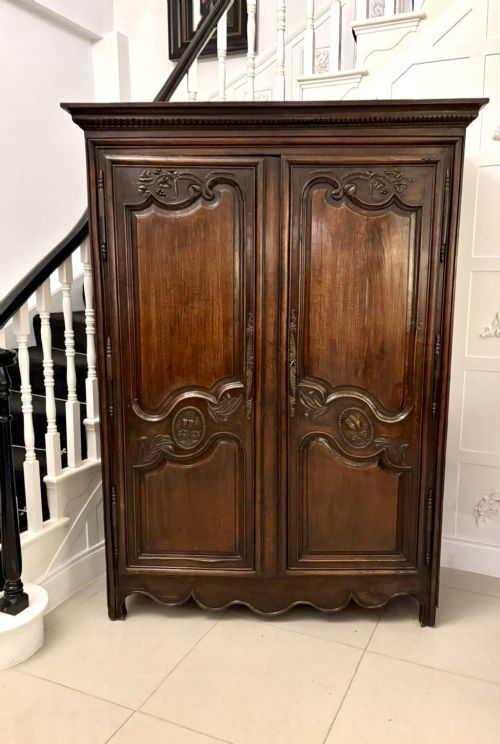
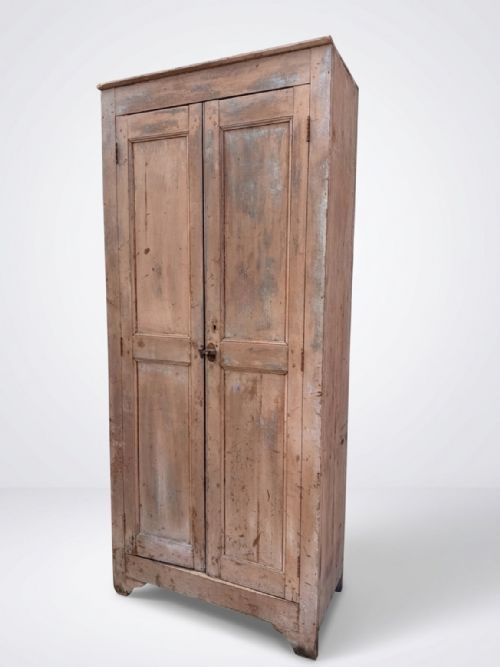
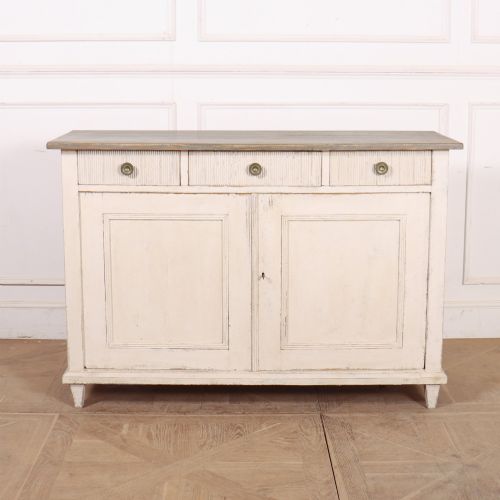
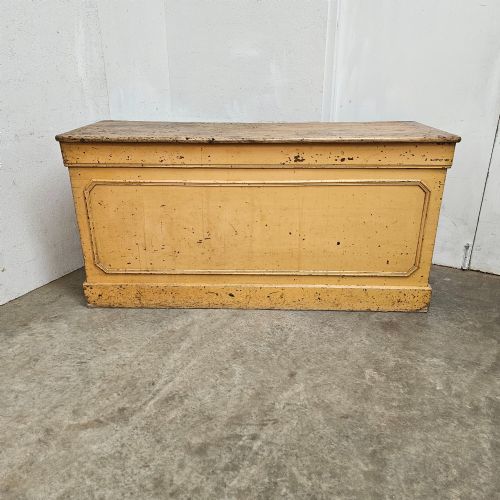
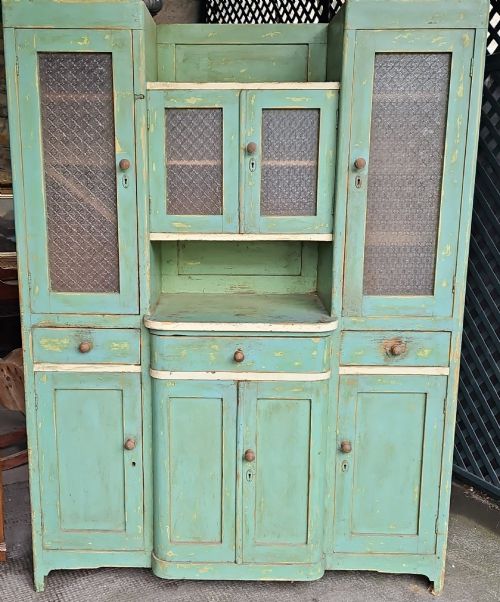
A rustic french cabinet encompasses a diverse group of storage furniture spanning from the seventeenth century through to the early twentieth century, originating from various provincial regions. Buyers searching this phrase encounter substantial oak armoires, scrubbed pine housekeepers cupboards, cherrywood dressers, and specialised forms such as jam cupboards and bread safes.
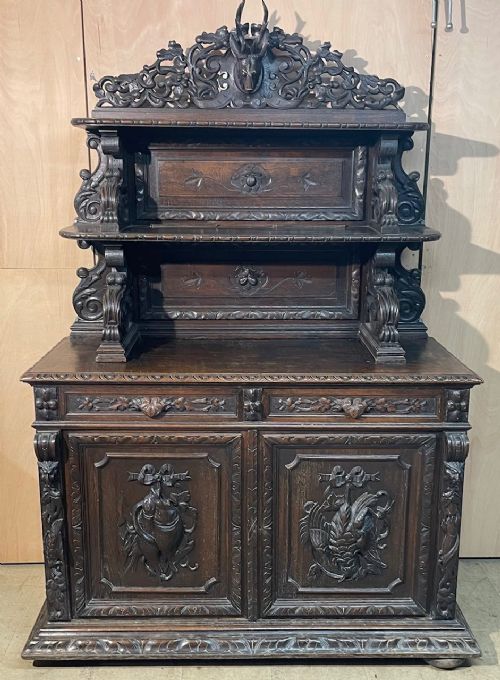
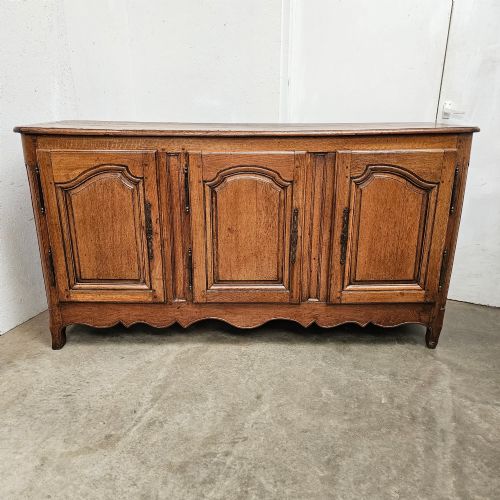
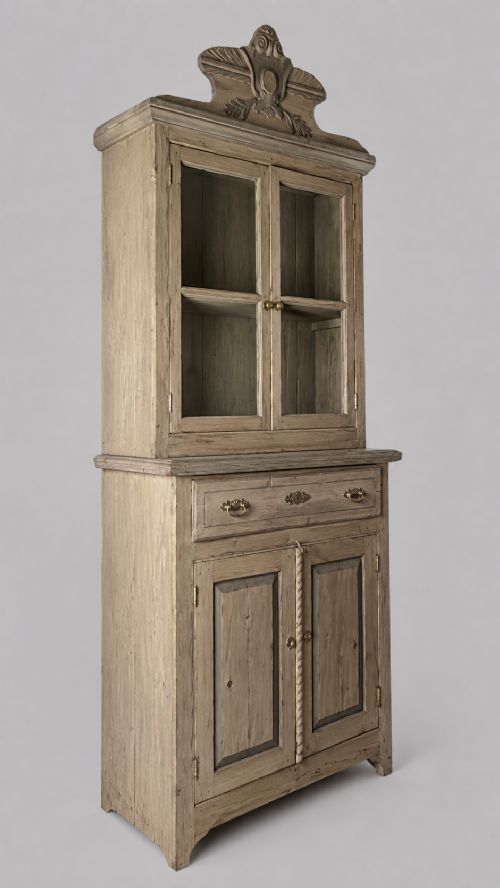
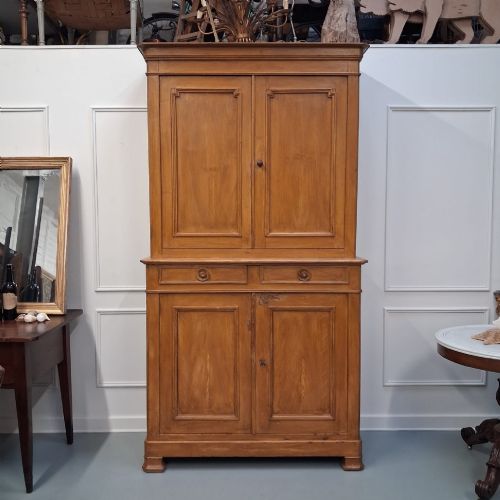
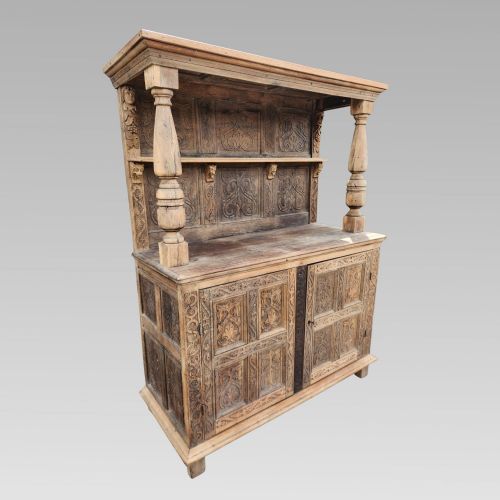
The selection on this page leans heavily toward nineteenth-century examples alongside significant eighteenth-century provincial pieces. Formats range from low sideboards and commodes to towering buffets à deux corps and glazed display cupboards sourced from rural manoirs and farmhouses.
Materials and construction
Cabinet makers utilised regional hardwoods and softwoods including solid oak, chestnut, cherrywood, and pine. Construction methods rely on traditional pegged joints, hand-planed panels, and heavy timber framing suited to daily domestic demands.
Metal hardware plays an essential role in the construction, incorporating forged iron hinges, brass escutcheons, and wrought iron latches. Painted finishes appear frequently, often showing layers of original pigment or surface weathering accrued over decades of use.
Listings feature items built from oak, pine, chestnut, and cherrywood, spanning the seventeenth through to the early twentieth century.
Assessing quality and authenticity
Quality rests in the integrity of the timber and the preservation of original surfaces rather than uniform perfection. Pieces retaining their initial backboards, locks, hinges, and untouched paintwork command greater respect from collectors than heavily restored examples.
Proportion and regional vernacular detail distinguish finer provincial work from standard utility pieces. Carved motifs executed with crisp depth and well-balanced door panels indicate a higher standard of local craftsmanship.
The Rustic French Cabinet Glossary
- Enfilade
- A long sideboard or buffet featuring a sequence of doors, typically three, designed for formal dining rooms. This form provides expansive surface area and deep interior storage.
- Panetiere
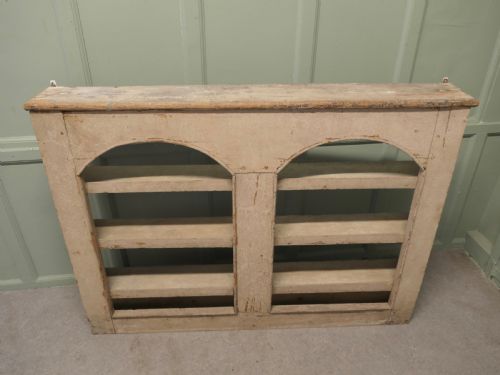
- A traditional wooden bread safe or cabinet featuring ventilated spindle galleries to keep loaves fresh and away from rodents. These are frequently associated with regional folk art traditions.
- Buffet à deux corps
- A large two-tier storage unit comprising a lower sideboard base surmounted by an upper cupboard section. They represent substantial provincial cabinet making.
- Confiturier
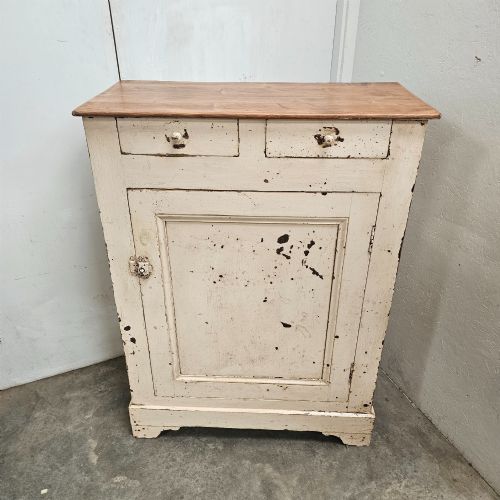
- A smaller single-door cabinet traditionally utilised for storing jars of confit and preserves. They translate well to modern interiors as bedside or accent tables.
- Fruitwood
- Timber harvested from fruit-bearing trees such as cherry, pear, or apple, prized for its warm tone and fine grain. It appears regularly in regional cabinet work alongside oak and pine.
Rustic French Cabinet: Frequently Asked Questions
How do I date an old cupboard?
Dating relies on observing construction methods, tool marks, and timber selection rather than relying solely on surface appearance. Hand-cut peg joints, wrought iron hardware, and vernacular panel thickness point towards earlier eighteenth or seventeenth-century origins.
Later nineteenth-century pieces often display more uniform mechanical sawing and standardised fixings. Comparing the timber shrinkage and patination helps confirm the age of the piece.
Where should I place a large armoire?
Large armoires and larder cupboards serve well in bedrooms, hallways, or spacious kitchens where substantial vertical storage is required. Their heavy timber presence anchors a room and provides deep shelving or hanging space.
Ensure you measure ceiling height and access doorways carefully before positioning these monumental pieces, as many provincial cabinets do not dismantle easily.
How do I care for painted wood?
Maintain original painted surfaces by dusting gently with a dry, soft cloth and avoiding chemical cleaners or excessive moisture. Keeping the furniture away from direct heat sources prevents the timber from warping and protects the fragile paint layers.
Wax should be used sparingly and only on unpainted wooden sections to preserve the historical patina without dulling early pigments.
What is a confiturier used for today?
A confiturier makes an ideal bedside cabinet, small hallway storage unit, or bathroom vanity base. Its compact footprint allows it to fit into tight spaces while offering concealed storage behind a single door.
The historical jam cupboard adapts readily to contemporary living spaces without overwhelming the room.