

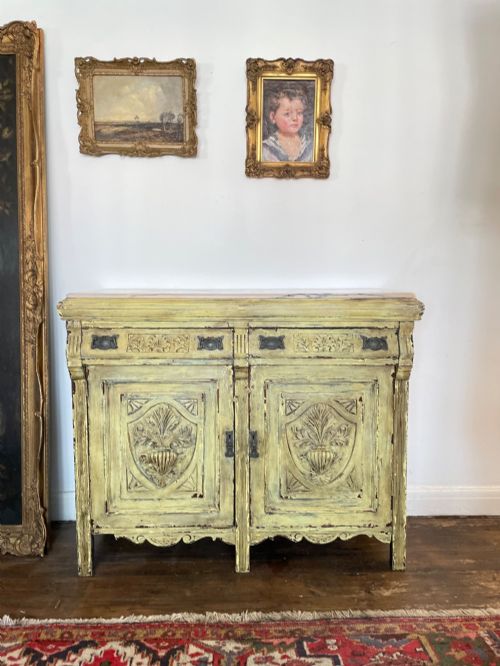
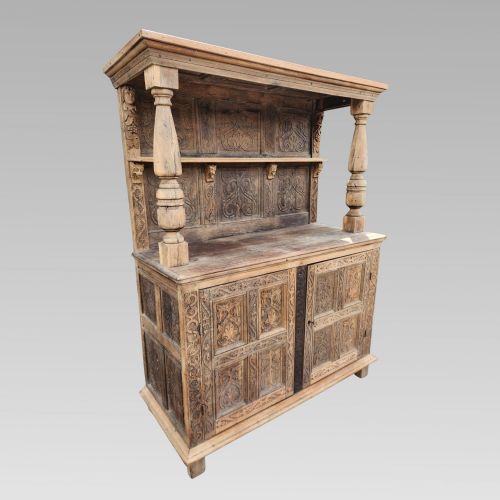


Rustic French Buffet
A rustic french buffet brings genuine provincial character to a room, offering robust storage shaped by centuries of practical domestic life.
Rustic French Buffet
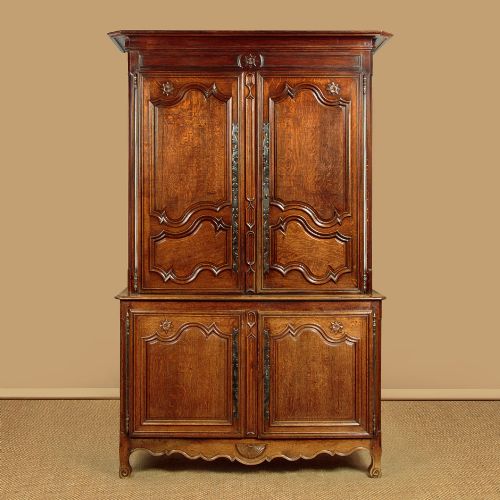
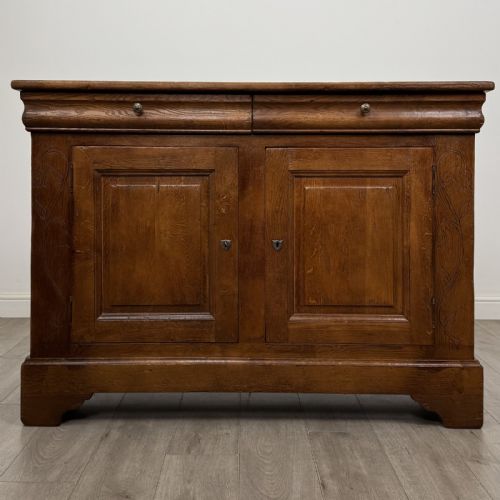
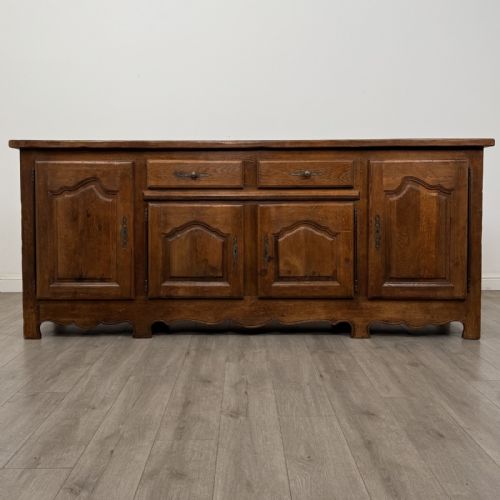
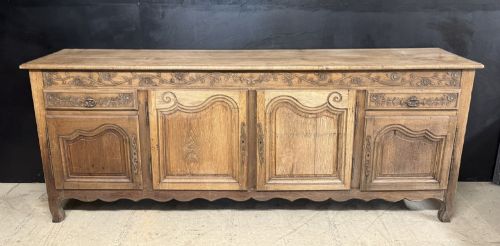
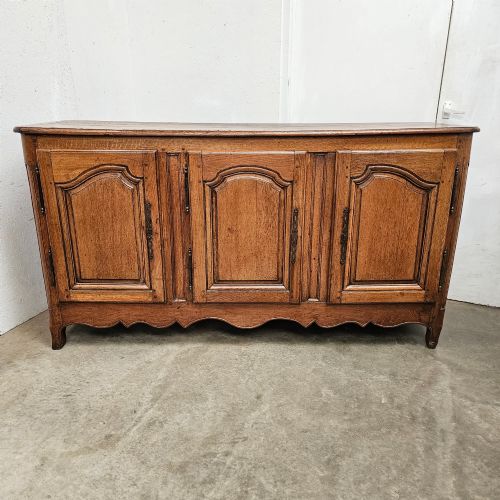
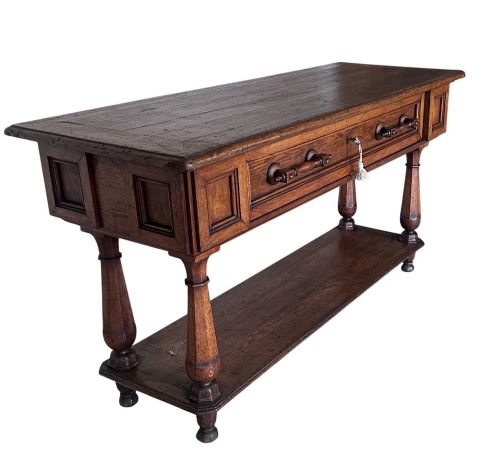
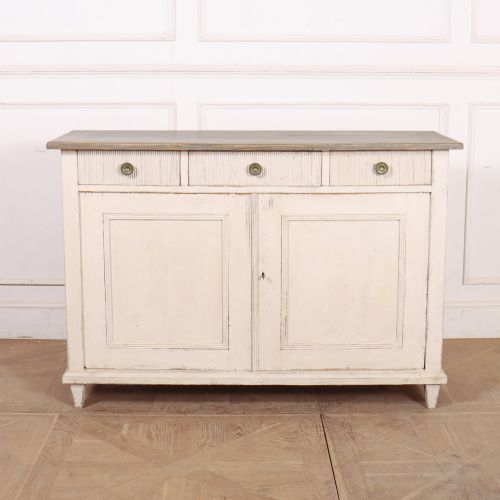
A rustic french buffet serves as a substantial storage piece, encompassing low dresser bases, towering enfilades, and two-part cabinets designed for provincial kitchens and dining rooms. These forms emerge primarily from the eighteenth and nineteenth centuries, reflecting the regional domestic needs of rural France.
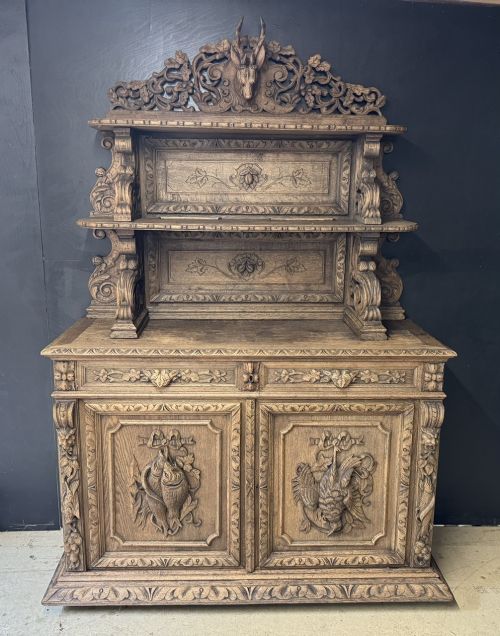
Makers designed these low buffets, sacristy cabinets, and game cupboards to hold provisions, tableware, or household stores. Their proportions remain grounded and practical, intended for heavy daily use in farmhouses, chateaux, and village homes.
Materials and construction
Cabinetmakers built these pieces using solid regional timbers such as oak, fruitwood, cherrywood, chestnut, and walnut, often pairing lighter panels with heavier frames. These woods were selected for their local availability and durability, providing a sturdy carcass to withstand daily wear.
Hardware played an essential functional role, incorporating iron, wrought iron, and brass for hinges, escutcheons, and drop handles. Joinery relied on traditional pegged and panelled construction methods that allowed the dense timbers to expand and contract with seasonal humidity.
Rustic French Buffet Retail Price Guide 2026
Typical asking prices for rustic french buffet among the pieces listed under this phrase on Sellingantiques today, from the lower quarter to the upper quarter. They describe what is for sale here now, not the wider market.
Several game cupboards retain discreet ventilation slats designed to keep wild fowl fresh before Sunday dinner.
Judging the quality
Quality rests upon the integrity of the timber selection and the precision of the original joinery, distinguishing heavy utilitarian work from finer provincial cabinetmaking. Pieces built entirely from solid hardwoods with well-fitted panel doors and drawers demonstrate superior regional craftsmanship.
Proportion and the restraint of hand-carved detailing set the better examples apart, as skilled provincial carvers added depth without cluttering the surface. The retention of original hardware, working locks, and honest surface patination also elevates a piece above later adaptations.
The Rustic French Buffet Glossary
- Enfilade
- A long sideboard or buffet featuring a sequence of doors, typically three, designed for extended dining rooms and grand provincial kitchens.
- Buffet à deux corps
- A large two-part cupboard comprising a lower buffet base surmounted by an upper cabinet section, providing significant vertical storage.
- Dresser base
- A low sideboard or cabinet featuring drawers and cupboards beneath a flat top, historically used for food preparation and serving.
- Fruitwood
- A dense timber derived from fruit-bearing trees such as cherry or pear, utilised by provincial makers for its fine grain and warm tone.
Rustic French Buffet: Frequently Asked Questions
What rooms suit a rustic french buffet?
These large storage pieces fit naturally into spacious kitchens, dining rooms, and hallways where their substantial proportions provide practical utility. They anchor a room while offering deep cupboards and drawers for tableware, linens, or provisions.
Lower dresser bases also function well beneath large mirrors or paintings in living spaces. Their grounded presence brings immediate warmth and historical weight to both modern and traditional interiors.
How do I care for the wood?
Maintain these timber surfaces by applying natural beeswax periodically to nourish the grain and protect the historic patina. Avoid placing solid wood furniture near direct heat sources or in extreme humidity to prevent timber movement.
Clean the surface simply with a soft, dry cloth rather than harsh chemical polishes. Regular gentle care preserves the natural texture and depth built up over centuries of use.
How do I distinguish eighteenth century pieces?
Eighteenth-century examples often display hand-cut joinery, pegged tenons, and distinct regional carving styles that reflect local French traditions before mass production. The timber surfaces typically show deep, undulating patination and wear patterns accumulated from generations of domestic handling.
By contrast, later nineteenth-century pieces may incorporate machine-sawn elements or different hinge types while maintaining traditional provincial forms. Examining the interior construction and timber shrinkage helps clarify the age of the carcass.