



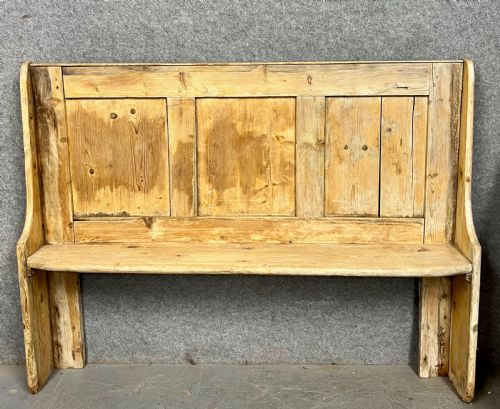


Rustic Farmhouse Settle
A rustic farmhouse settle brings unmatched character and enduring utility to an interior, offering high-backed seating built for warmth and daily use.
Rustic Farmhouse Settle
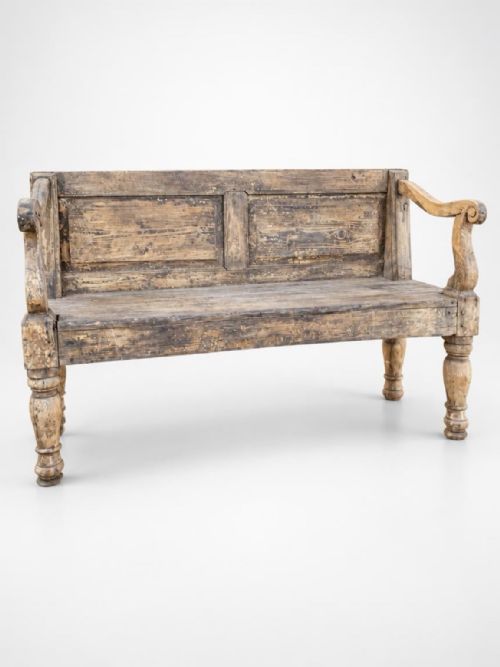
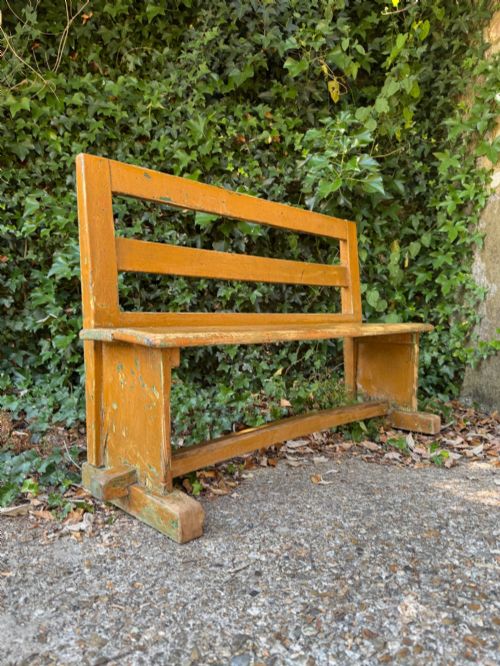
When you search for a rustic farmhouse settle, you are looking at substantial wooden benches designed to block draughts in traditional homes. These seating pieces typically feature high backs and solid construction suited to hallways, kitchens, and dining rooms.
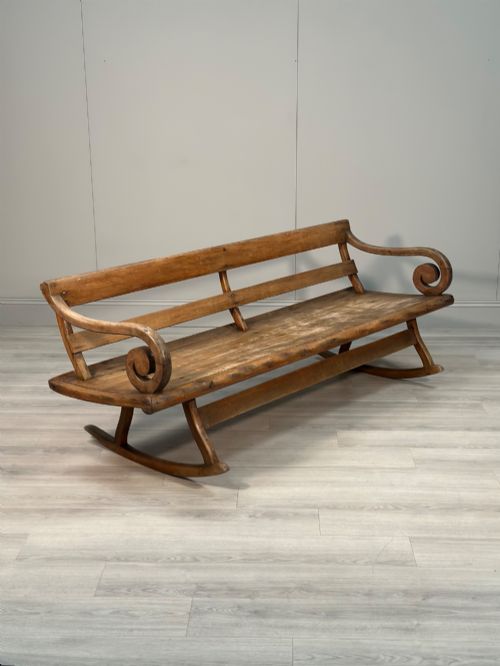
The selections available here span the nineteenth century, including specific dates such as 1870 and 1880 alongside broader nineteenth-century examples. Forms range from high back settles to rocking variants and long dining benches.
Geographic styles represented across these pieces include English country, French provincial, Austrian folk art, and Alpine country. These regional variations shape the proportions and decorative details of each bench.
How they were made
Makers constructed these settles using timber such as pine and bleached chestnut, often sourced locally. Simple hand tools and traditional joinery methods ensured the frames withstood decades of domestic use.
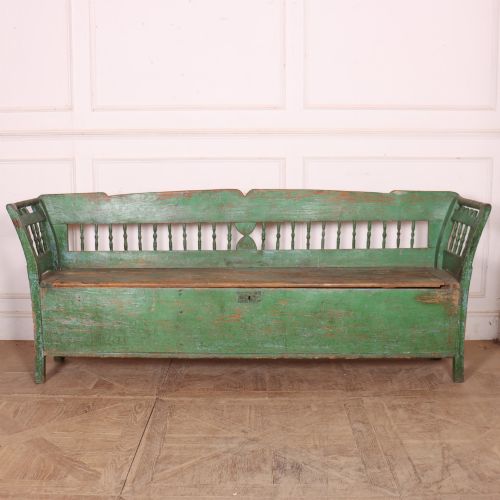
Surface treatments play a significant role, with original painted finishes appearing alongside stripped wood surfaces. Iron hardware occasionally secures structural joints or provides functional hinges.
Rustic Farmhouse Settle Retail Price Guide 2026
Typical asking prices for rustic farmhouse settle among the pieces listed under this phrase on Sellingantiques today, from the lower quarter to the upper quarter. They describe what is for sale here now, not the wider market.
The inventory encompasses English, French, Austrian, and Alpine country styles, ranging from rocking settles to very long dining benches.
What varies in quality
Quality in these pieces rests upon the integrity of the timber and the honesty of the construction. Selection of dense pine or chestnut creates a sturdier frame that endures heavy daily sitting.
The survival of original painted surfaces distinguishes certain examples, offering authentic patination that later finishes cannot replicate. Proportions and the grace of the high back also elevate the design above purely utilitarian workshop output.
The Rustic Farmhouse Settle Glossary
- Settle
- A wooden bench with a high back, solid arms, and often a storage box beneath the seat. This form was traditionally placed near the hearth to keep out cold draughts.
- Pine
- A softwood commonly used in country furniture for its accessibility and workability. It takes paint well and develops a warm patina over time.
- Chestnut
- A durable hardwood prized for its strength and rich grain. Bleached chestnut appears in specific nineteenth-century seating.
- Patina
- The surface sheen and colour acquired by wood and paint through age, handling, and use. This quality marks genuine antique items.
- Folk art
- Decorative styles and craftsmanship rooted in regional traditions rather than formal academic design. Austrian and Alpine pieces often display these characteristic motifs.
Rustic Farmhouse Settle: Frequently Asked Questions
Where were settles placed?
Settles traditionally stood near the hearth in farmhouse kitchens and halls to shield occupants from cold air currents. Their high backs created a sheltered microclimate close to the fire.
In modern interiors, they function effectively in hallways, boot rooms, and alongside long dining tables as alternative seating.
How do I identify nineteenth-century pieces?
Nineteenth-century settles show construction methods typical of the period, using hand-prepared timbers such as pine and chestnut. Iron fixings and traditional joinery support the heavy wooden frames.
Stylistic cues, including Austrian folk art details or French provincial proportions, help connect specific items to their regional origins.
Are painted finishes original?
Original painted surfaces survive on specific nineteenth-century Austrian settles listed in the inventory. These finishes display authentic wear and patination accumulated over decades of use.
Careful inspection reveals whether paint layers are contemporary to the manufacture of the bench or applied at a later date.