
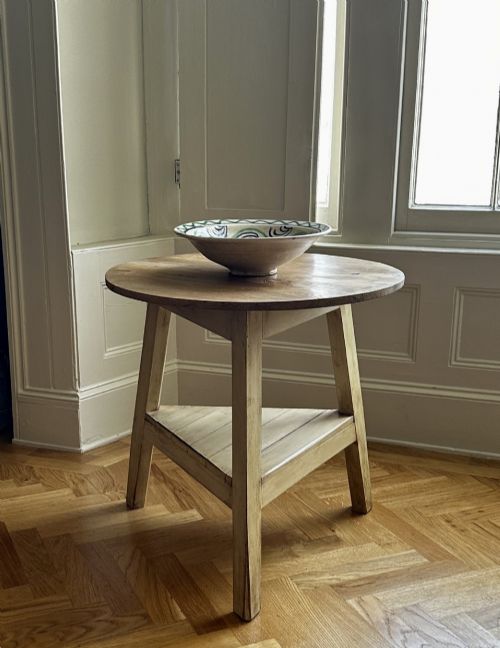


Rustic Elm Side Table
These rustic elm side tables span centuries of utilitarian woodworking, offering honest grain and simple lines suited to everyday utility.
Rustic Elm Side Table
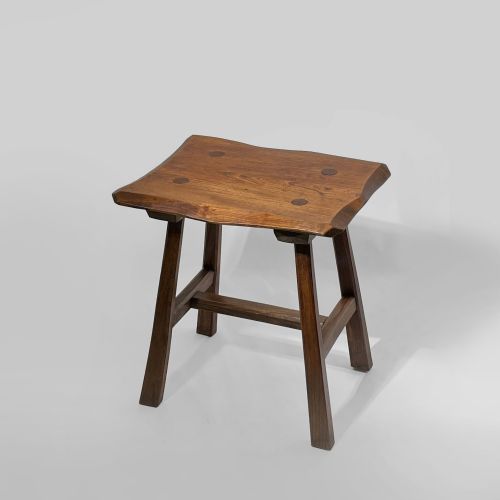
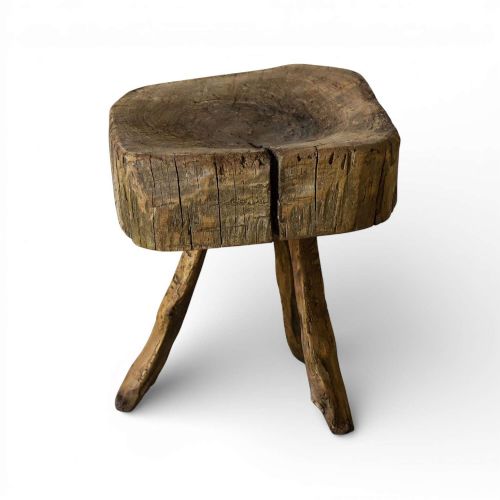
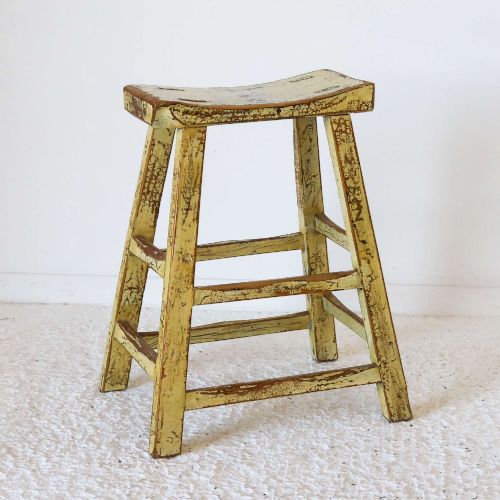
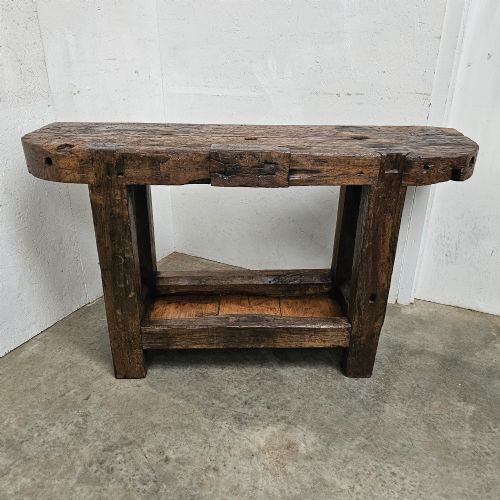
A rustic elm side table brings together centuries of utilitarian domestic furnishings, ranging from early Georgian occasional pieces to French provincial chopping blocks and Chinese scholar pieces. When searching for a rustic elm side table, a buyer encounters forms that developed out of necessity, including cricket tables, low tables, and small workbenches.
The selection on this page leans heavily toward nineteenth-century English and French vernacular examples, alongside eighteenth-century Georgian specimens and Chinese provincial forms. These tables and stools served humble roles in farmhouses and workshops before finding a place in modern domestic interiors.
How they were made
Makers utilised solid elm alongside supporting timbers like oak, fruitwood, and sycamore, often selecting these woods for their toughness and distinct grain patterns. Joinery on these pieces is straightforward and robust, relying on pegged joints, sturdy stretcher frames, and direct attachment of tops to legs.
Surfaces bear the marks of manual work, from scrubbed finishes and live edges to remnants of original lacquer or accumulated patination from decades of daily use. Brass fittings appear occasionally, though structural integrity depends entirely on the timber and the maker's joinery.
Listings span from the 1700s through the Edwardian period, utilising elm, oak, sycamore, and fruitwood across English, French, and Chinese origins.
What varies in quality
Quality in these pieces rests upon the integrity of the timber, the honesty of the surface patination, and the balance of the proportions. An eighteenth-century Georgian table with untouched surface marks holds a different presence compared to a later nineteenth-century piece with extensive structural alterations.
The distinction lies in whether the surface tells a true story of use or bears signs of over-restoration. Original gnarled legs, unaltered pegging, and natural wear elevate an ordinary work table into a compelling object of study.
The Rustic Elm Side Table Glossary
- Cricket table
- A small three-legged round table originating in English vernacular traditions. The tripod design ensured stability on uneven farmhouse floors.
- Vernacular rural
- A style of object built by local makers for specific domestic or agricultural tasks rather than following high-fashion metropolitan design canons.
- Pad foot
- A simple rounded foot found on eighteenth-century furniture legs, resting flat on the floor without complicated carving.
- Live edge
- A natural edge of the tree retained in the design of the furniture top, showing the organic contour of the log.
Rustic Elm Side Table: Frequently Asked Questions
What is a rustic elm side table used for?
These tables function well as small bedside surfaces, lamp tables, or accent pieces in living spaces where natural timber texture is desired.
Their compact scale allows them to fit into narrow hallways or beside seating without dominating a room.
How do I date a rustic elm table?
Dating relies on observing construction methods, joinery types, and the character of the surface wear rather than relying solely on surface appearance.
Earlier eighteenth-century examples often feature hand-cut timber and specific leg turnings, while nineteenth-century pieces display different tool marks and structural assemblies.
Are these tables sturdy enough for daily use?
Elm is a tough and resilient hardwood with an interlocking grain that resists splitting, making these historic tables surprisingly durable.
Most pieces have already survived a century or more of utilitarian service in farmhouses or workshops.
How should I care for an antique elm surface?
Maintenance requires little more than dusting with a dry cloth and keeping the timber away from direct heat sources and excessive moisture.
Applying a light coat of natural wax occasionally helps preserve the historic patination without sealing the wood unnaturally.