
Rustic Country Wooden Seat
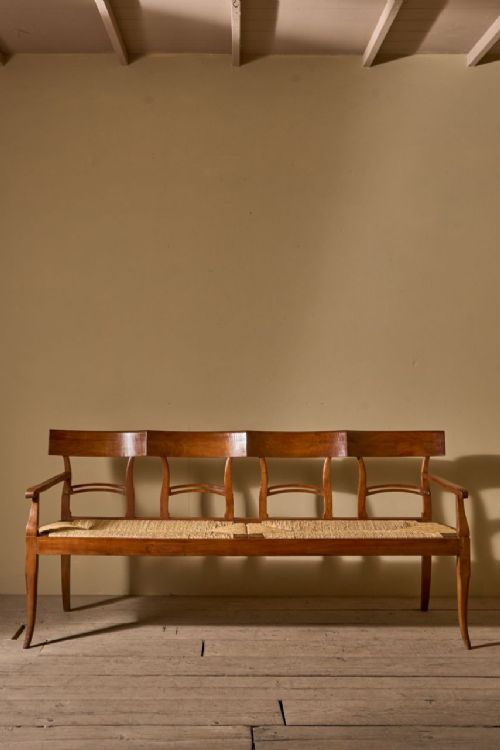
A rustic country wooden seat brings vernacular warmth to an interior, built by local makers for everyday utility.
Rustic Country Wooden Seat
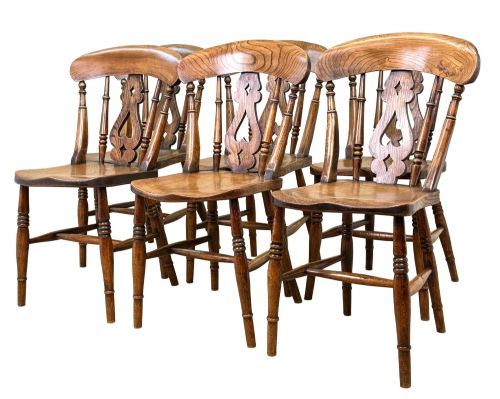
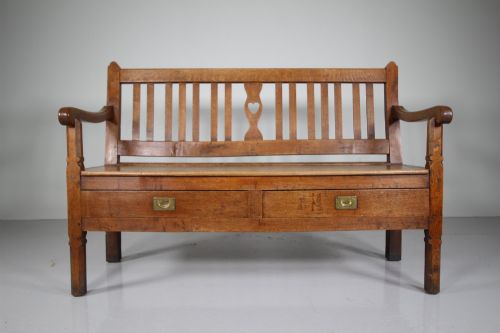
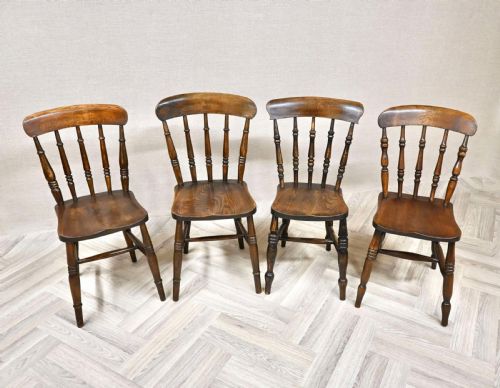
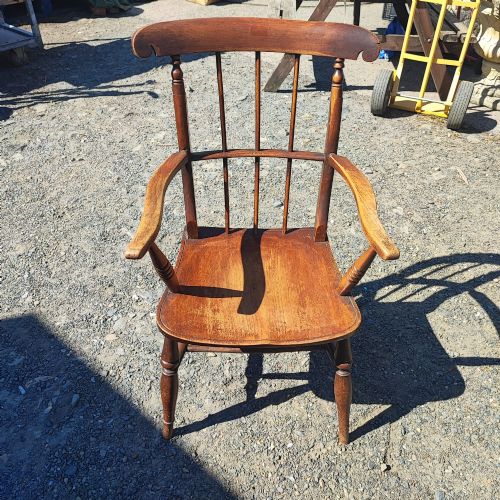
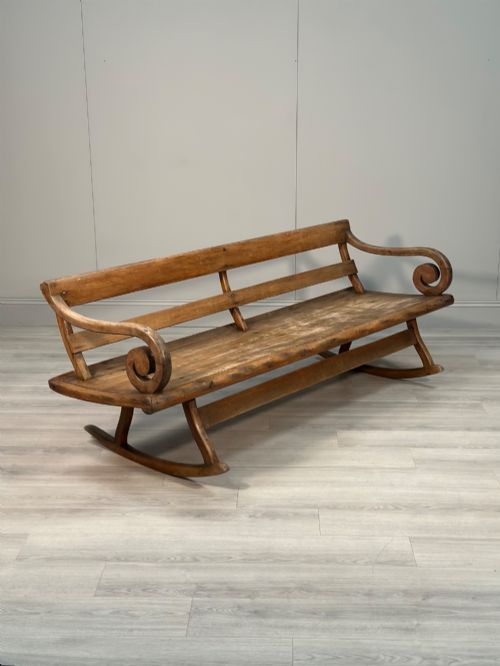
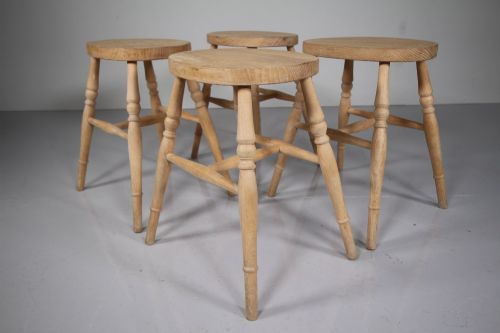
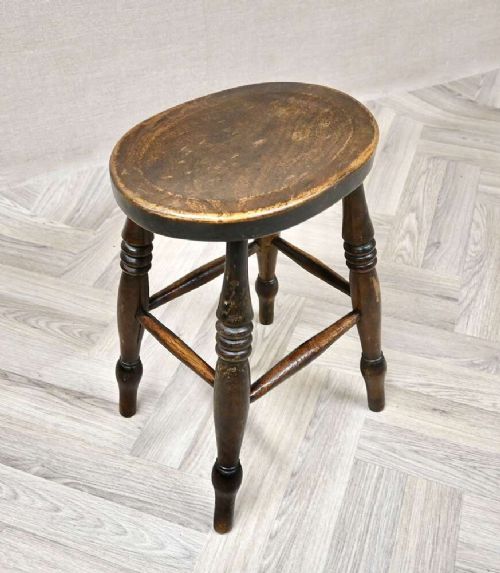
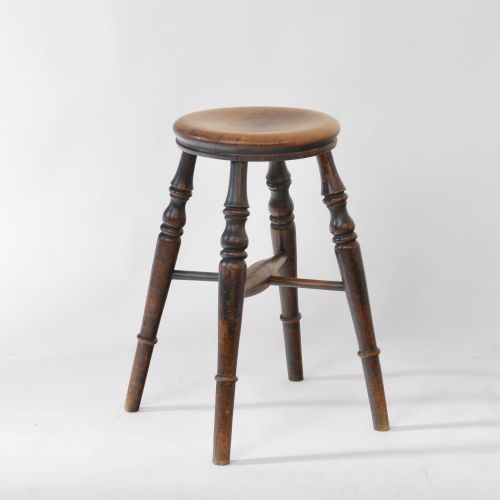
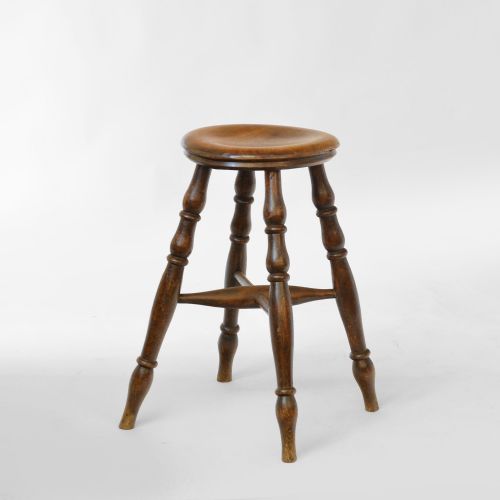
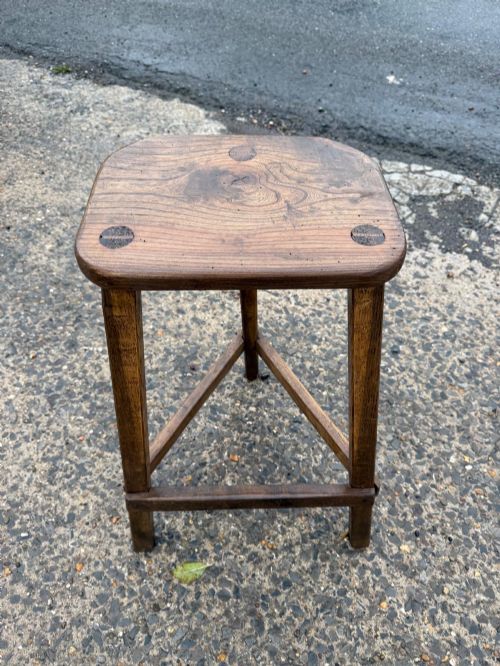
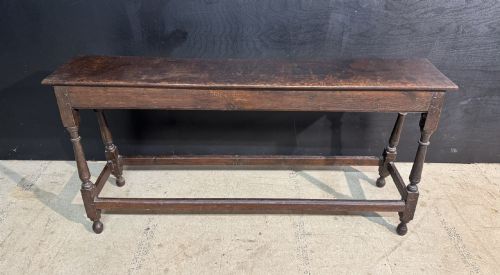
A rustic country wooden seat encompasses utilitarian forms like Windsor chairs, joint stools, settles, and benches shaped for daily domestic or agrarian life. These pieces emerge predominantly from the eighteenth, nineteenth, and early twentieth centuries, spanning periods such as the Georgian, Victorian, and Edwardian eras. Makers utilised regional vernacular styles, resulting in varied silhouettes from high-backed Windsor armchairs to low tavern stools.
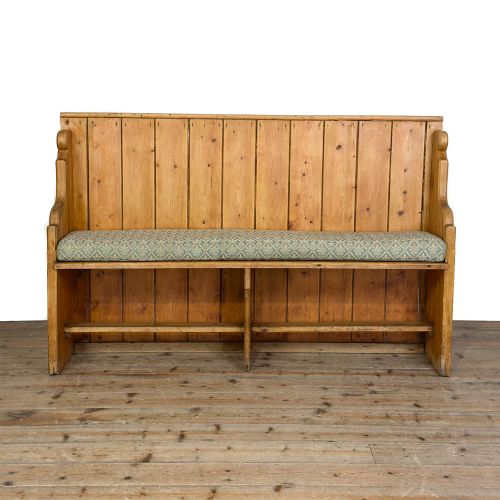
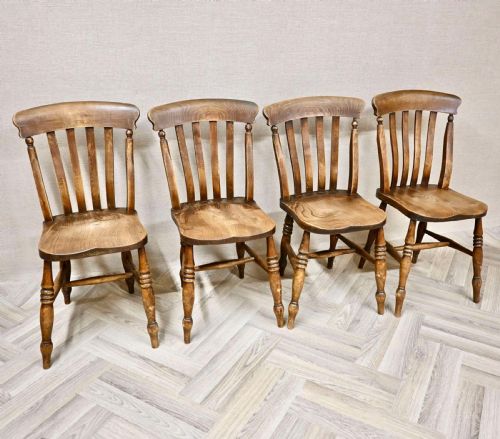
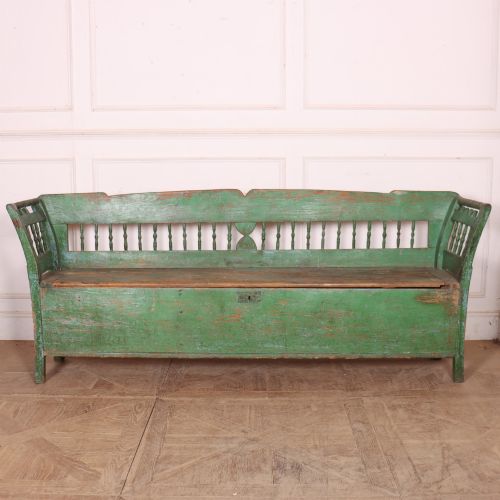
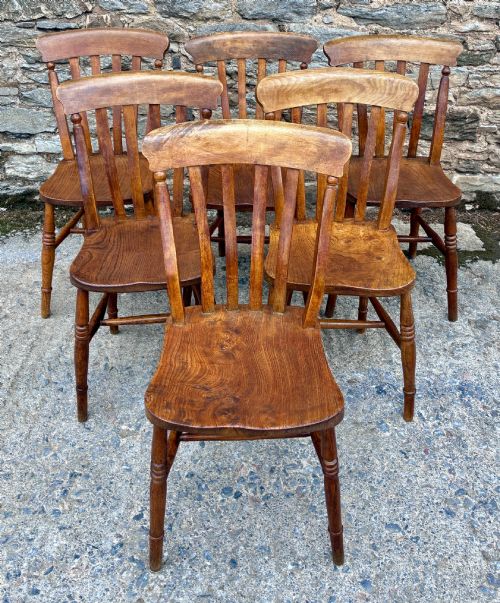
The version most commonly met on this page is the nineteenth-century kitchen or farmhouse chair, frequently constructed with elm seats and beech or ash spindles. Benches and settles in oak or pine also appear regularly, designed for hallways, hearths, or long dining tables. Buyers select these items to introduce honest construction and unpretentious charm into modern rooms.
How they were made
Craftsmen built these seats using solid native timbers including elm, oak, beech, ash, sycamore, and pine, often combining multiple woods within a single piece for optimal strength. The seat boards typically consist of thick slab elm or pine, hollowed out for comfort using adzes or travisers, while legs and spindles are turned on pole lathes from straight-grained ash or beech.
Joinery relies heavily on traditional techniques such as mortise and tenon joints, dovetails, and wedged through-tenons. Makers secured Windsor style spindles directly into drilled saddle seats, sometimes augmenting structural integrity with bentwood bows steam-bent from green timber.
At least one child managed to inherit their very own stick back armchair, sized down just for them.
What varies in quality
Quality in these vernacular pieces rests upon the integrity of the timber selection and the retention of original surface patination. Examples exhibiting deeply dished solid elm seats paired with crisp, well-turned spindles demonstrate superior craftsmanship compared to heavily restored or later replacement components. The harmony of proportion between the leg rake and the backrest angle dictates the visual balance of the seating.
Another measure of distinction lies in the subtlety of hand-carved details, such as carved Welsh heart motifs, comb backs, or peg construction, which elevate a utilitarian object into a piece of folk art. Excessive sanding or stripping diminishes quality by erasing the accumulated surface wear that records centuries of domestic use.
Philip Clissett
The Rustic Country Wooden Seat Glossary
- Saddle seat
- A wooden chair seat sculpted into a hollowed, ergonomic contour resembling a riding saddle. This shaping provides comfort in un-upholstered chairs.
- Stick back
- A chair construction method where turned wooden spindles are tenoned straight into the seat slab. These form a light yet rigid backrest.
- Settle
- A high-backed wooden bench featuring solid arms and a panelled lower section designed to block draughts from open fireplaces. They often incorporate a hinged lid for storage beneath the seat.
- Vernacular
- Architecture or furniture built by local craftsmen using traditional regional methods and available materials, rather than following academic architectural styles.
- Joint stool
- A sturdy wooden stool constructed with mortise and tenon joints rather than turned legs driven into a top. They served multiple seating and utility purposes in early households.
- Lathe back
- A chair back featuring flat or slightly curved wooden slats arranged vertically or horizontally. These slats are tenoned into a top rail and the seat.
Rustic Country Wooden Seat: Frequently Asked Questions
How do I care for a wooden country seat?
Feed dry timber periodically with traditional beeswax to maintain the surface sheen and prevent cracking. Keep pieces away from direct heat sources and strong sunlight to protect the aged patina.
Avoid modern silicone polishes, which build up over time and soften the original finish. Gentle dusting with a soft cloth is sufficient for regular maintenance.
Are these seats comfortable for daily dining?
Many Windsor and farmhouse chairs feature sculpted saddle seats designed for extended sitting during meals or work. Adding loose seat pads can increase comfort if desired.
Dining benches and settles offer firm support and work well alongside farmhouse tables. Their upright postures encourage an engaged seating position.
How can I tell the period of a wooden seat?
Examine the tool marks, timber species, and construction methods visible beneath the frame. Hand-adzed seat bottoms and pit-sawn boards typically indicate earlier eighteenth or nineteenth-century origins.
Turned components on older chairs often display slight irregularities characteristic of pole lathe production. Machine-turned spindles and modern adhesives generally point towards later Victorian or Edwardian manufacturing.