
Rustic Country Wooden Chair
A rustic country wooden chair brings honest utility and vernacular form into a room, shaped by local tradition from solid timber.

Rustic Country Wooden Chair
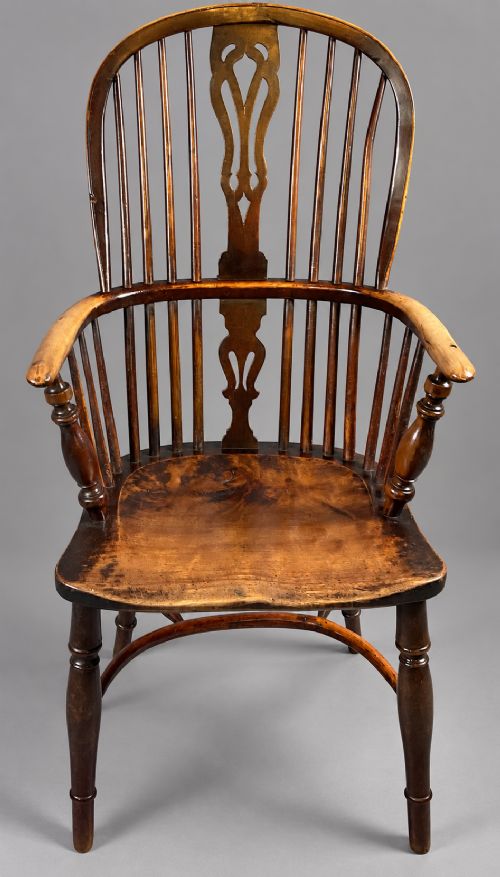
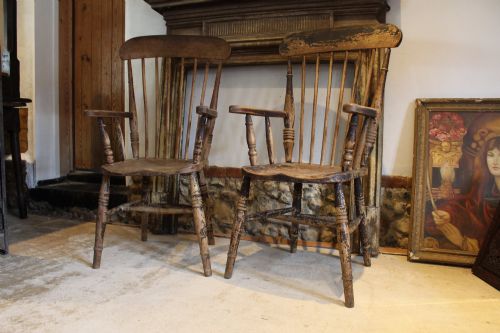
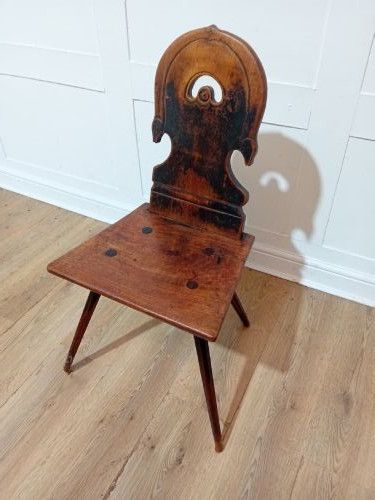
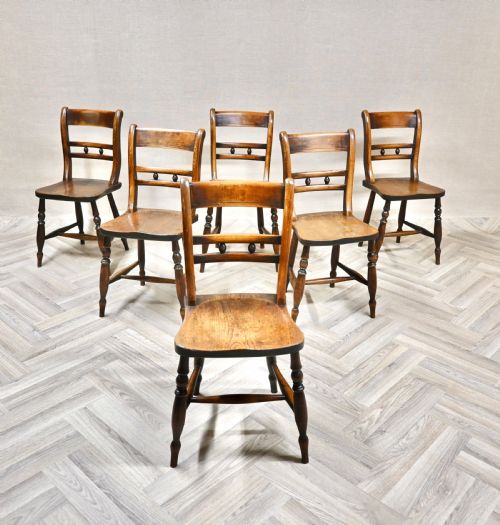
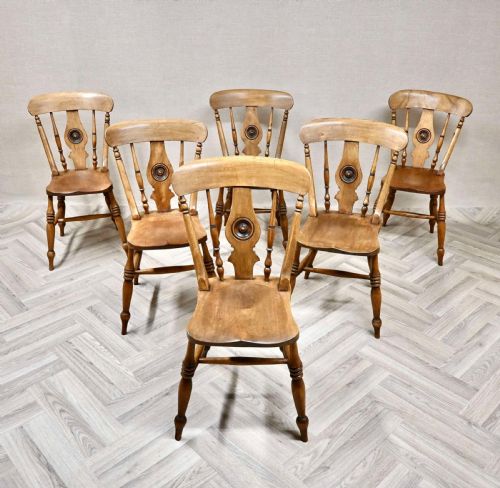
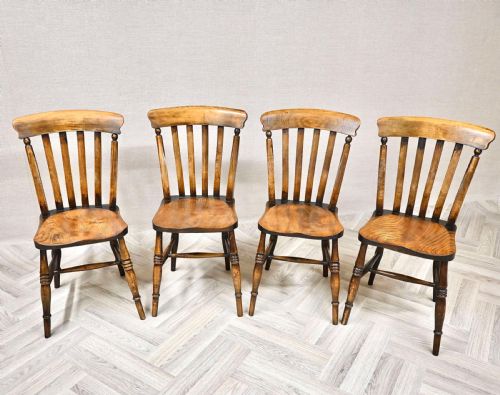
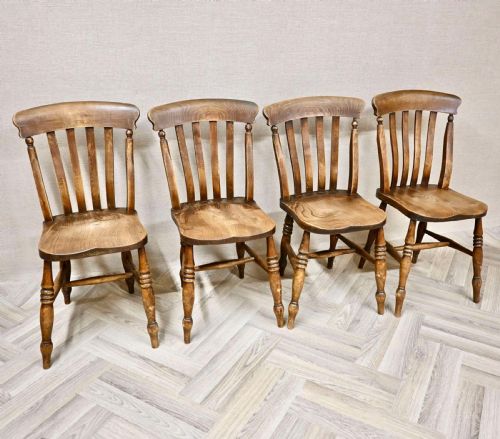
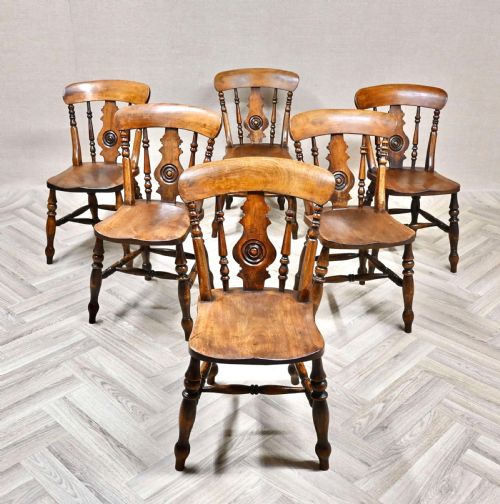
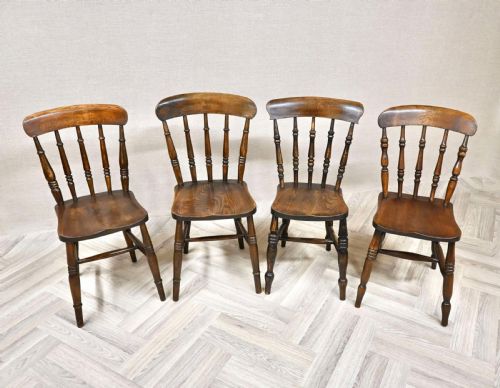
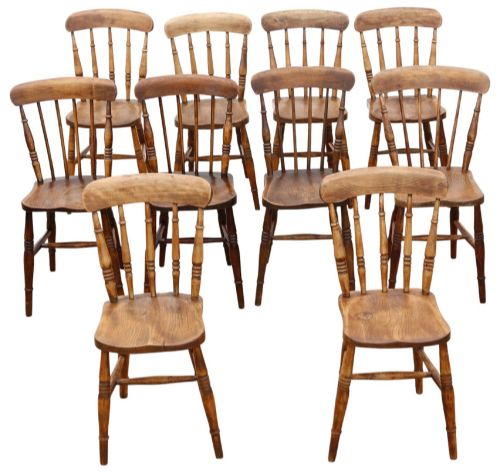
A rustic country wooden chair encompasses forms made for everyday use in kitchens, farmhouses and cottages, largely originating across the 18th and 19th centuries. Buyers searching for a rustic country wooden chair encounter regional Windsor designs, lathe back chairs and low vernacular seating suited to domestic life.
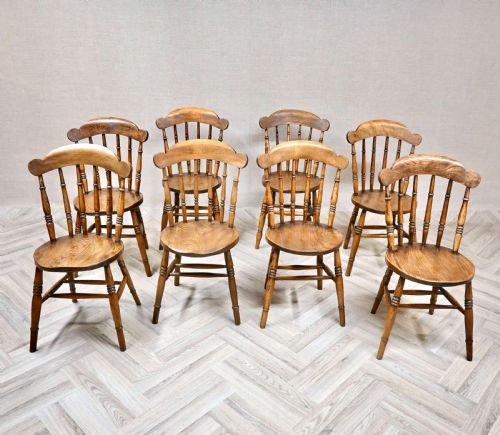
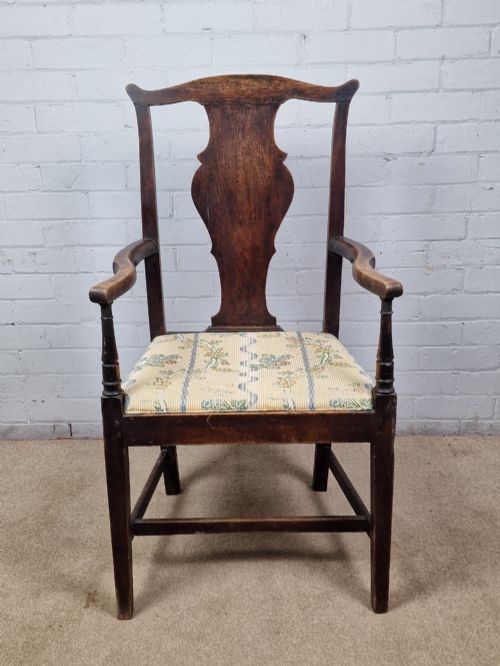
The selection ranges from single armchairs to matched sets of dining chairs, alongside occasional children's chairs, bar stools and settles. Most examples date from the Victorian period and the 19th century, constructed by regional joiners rather than urban cabinet makers.
How they were made
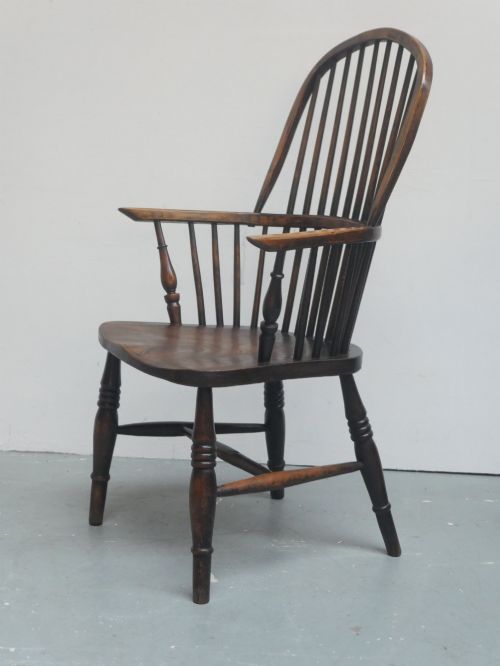
Constructed primarily from native woods, these chairs combine elm seats with ash or beech spindles and legs, occasionally incorporating yew or oak. Craftsmen utilised solid timber planks for contoured seats and steam-bent components for hoop backs and armbows.
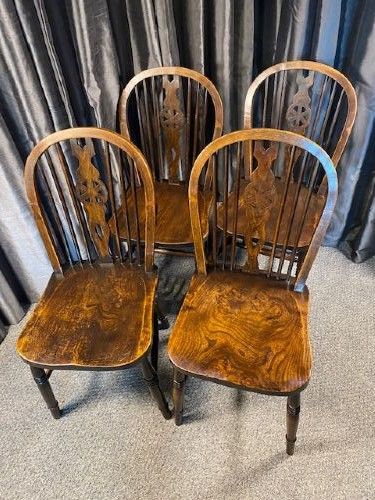
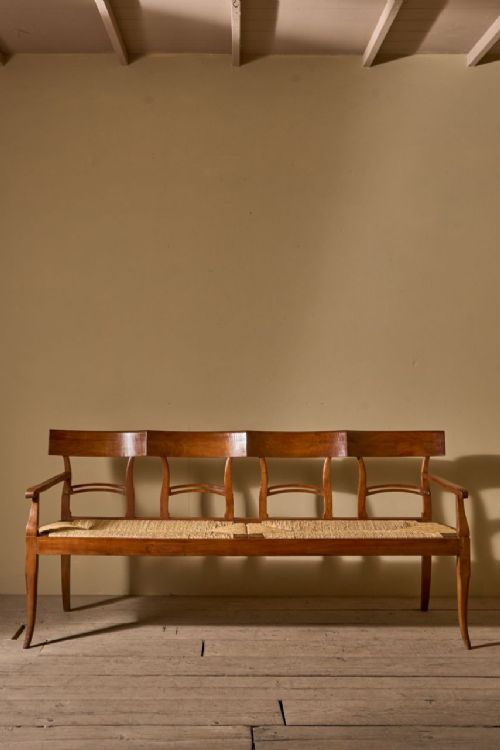
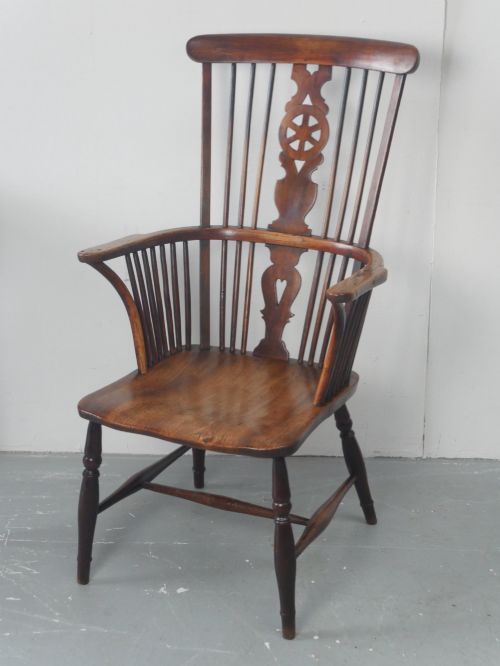
Joinery relies on traditional methods such as wedged tenons and mortise joints, allowing rigid frames without metal fixings. Rush seats appear on specific Arts and Crafts examples, while wheelback and comb-back designs demonstrate turned uprights and shaped splats.
Several chairs show bite marks from farm dogs who spent their afternoons tucked safely beneath the kitchen table.
What varies in quality
Quality rests upon the selection of timber and the depth of the saddle seat, where thicker elm boards with pronounced natural figuring indicate superior making. The balance of the turnery on spindles and legs separates utilitarian workshop output from more ambitious regional pieces.
Proportion and structural integrity define the higher tiers of surviving examples, particularly where comb-backs or high hoops retain their original rake and height. Wear patterns that reflect genuine domestic use without compromising the underlying joinery distinguish the most desirable pieces.
Philip Clissett
The Rustic Country Wooden Chair Glossary
- Windsor
- A chair built with a solid wooden seat into which the legs, back spindles and bow are independently inserted. This construction method creates a sturdy, resilient frame.
- Comb back
- A Windsor chair design where the top rail resembles the spine of a comb, with vertical spindles rising through the armbow to support the headrest. This style offers an upright seating position.
- Lathe back
- A chair featuring horizontal wooden slats steam-bent or shaped to support the back. These are commonly found on 19th-century kitchen seating.
- Vernacular
- An architectural and design term describing objects made by local artisans using regional materials and traditional methods, without reference to high-style academic design.
- Settle
- A wooden bench featuring high backrests, solid sides and frequently a storage box beneath the seat. They stood near firesides to block draughts.
Rustic Country Wooden Chair: Frequently Asked Questions
What is a Windsor chair?
A Windsor chair is a seating form defined by a solid wooden saddle seat that holds the legs below and the back components above. The construction relies on separate turned spindles fitted directly into bored holes.
This method allows the chair to remain remarkably strong despite light overall framing. Elm seats are typically paired with ash or beech for the upper structure.
How old are these chairs?
The pieces span primarily from the 18th century through the Victorian era and into the early 20th century. Georgian examples display refined proportions, while 19th-century versions focus on sturdy kitchen utility.
Dates are determined by tool marks, timber shrinkage, and regional style evolution. Many bear the marks of village joiners working without formal factory stamps.
Are these chairs comfortable for daily use?
Most rustic country chairs were carved to fit the human body, featuring hollowed elm seats that provide surprising support. High backs and armrests encourage upright sitting.
They function well as dining or desk seating when paired with appropriate table heights. Adding a simple loose cushion can adjust the seat height if needed.
What woods were used?
Makers selected native hardwoods for their specific mechanical properties, combining them within a single chair. Elm provided a stable, splitting-resistant seat.
Ash and beech supplied strong, flexible timber for turned spindles and steam-bent hoops. Yew appears on select regional armchairs for its rich grain and strength.