





Rustic Country Wood Vessel
These rustic country wood vessel examples bring honest utility into modern rooms through centuries of practical craft.
Rustic Country Wood Vessel
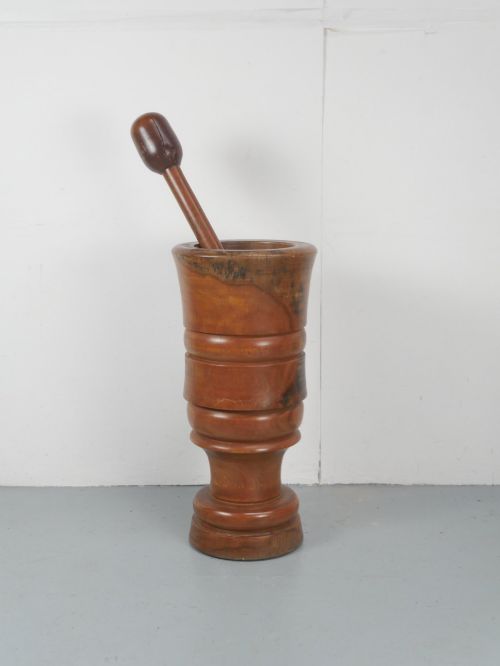
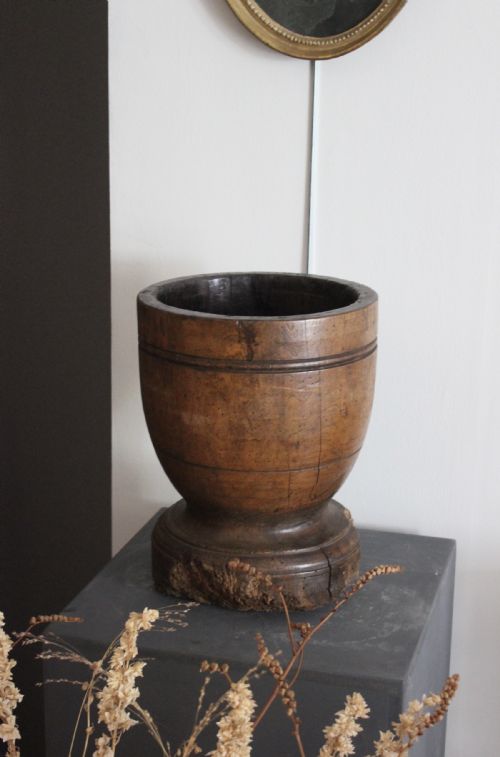
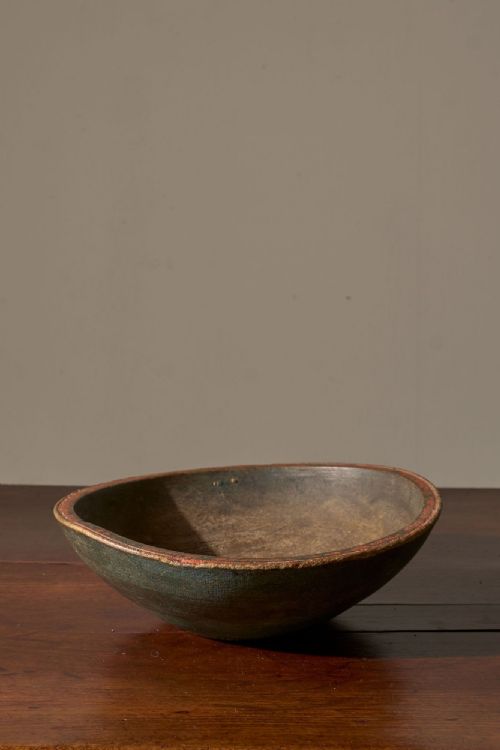
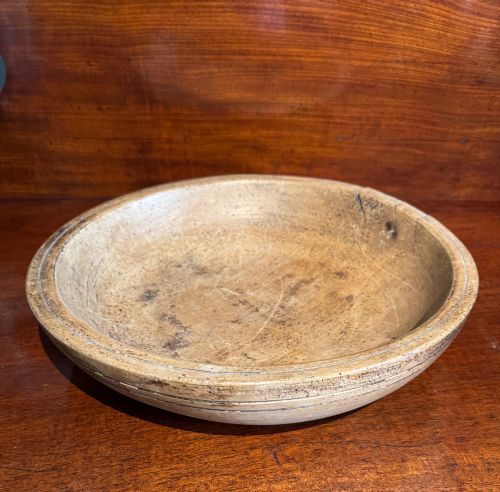
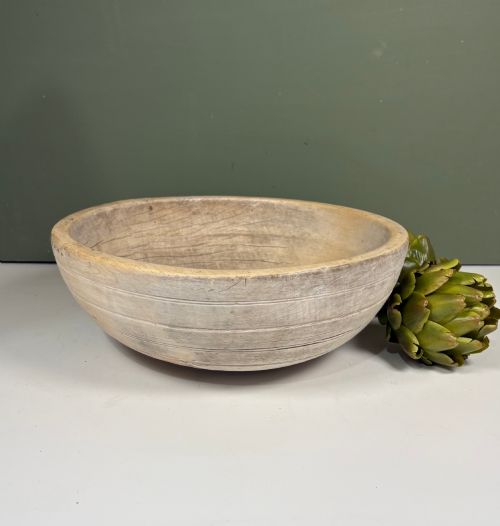
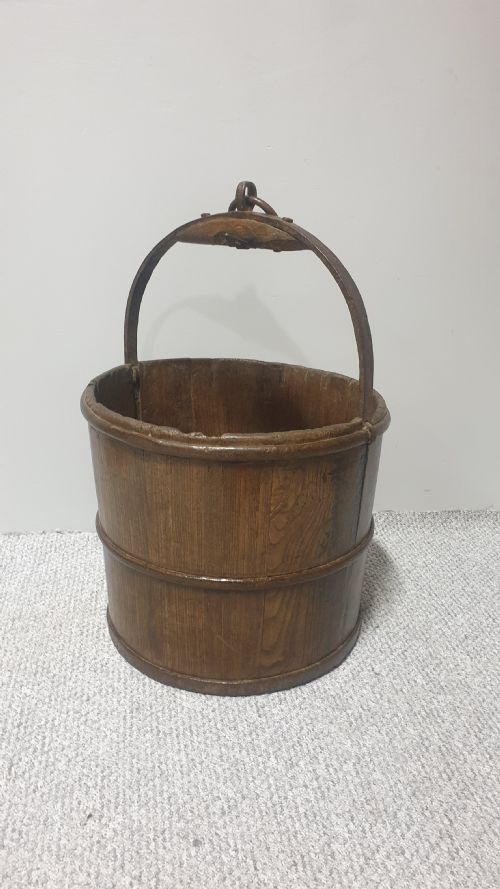
A rustic country wood vessel encompasses functional items shaped from timber for daily domestic tasks across the seventeenth, eighteenth, and nineteenth centuries. Buyers searching for a rustic country wood vessel encounter practical forms ranging from dairy bowls and storage barrels to mortars, well buckets, and dug-out tree trunks.
Domestic and agricultural necessities form the core of these pieces, hailing from English, French, and Scandinavian traditions. Sycamore, oak, and pine appear frequently in forms designed for heavy farm and kitchen use rather than formal display.
Survival depends on sturdy construction, whether through lathe turning, hand carving, or hollowed trunks. These containers reflect the utilitarian habits of rural homes where local timber served immediate daily needs.
Materials and construction methods
Makers utilised available hardwoods and softwoods including oak, sycamore, pine, and general timber. Craftsmen selected specific woods for their density and resistance to splitting during heavy tasks like dairy work or pounding.
Techniques relied heavily on turning on a lathe for bowls and mortars, alongside hand carving and hollowing out solid tree trunks. Iron bands were added to larger barrels, buckets, and log bins to reinforce the wooden staves against stress.
Rustic Country Wood Vessel Retail Price Guide 2026
Typical asking prices for rustic country wood vessel among the pieces listed under this phrase on Sellingantiques today, from the lower quarter to the upper quarter. They describe what is for sale here now, not the wider market.
Listings span from the seventeenth century through the early twentieth century, incorporating English, French, and Scandinavian origins.
Qualities of craftsmanship and wear
Quality rests in the harmony between original utility and the integrity of the remaining timber. Vessels that retain their structural balance while showing honest tool marks and deep surface use command greater attention.
The character of the grain and the depth of the finish separate standard utilitarian items from those possessing distinct sculptural presence. Traces of historical paint or ironwork integration elevate the distinction of individual pieces.
The Rustic Country Wood Vessel Glossary
- Sycamore
- A dense hardwood favoured for dairy vessels because it does not impart odours or flavours to milk. This bright timber ages to a warm tone.
- Treen
- Small handmade wooden household objects created before the widespread adoption of mass manufacturing. These pieces were carved or turned for kitchen and table use.
- Mortar
- A heavy vessel used with a pestle to crush or grind ingredients. Wooden examples often display significant interior wear from centuries of friction.
- Dug-out
- An object formed by hollowing out a single section of a tree trunk. This direct method creates robust troughs, planters, and bowls.
- Patina
- The surface sheen and colour developed over decades of handling, cleaning, and exposure to light. This finish reveals the age and history of the timber.
Rustic Country Wood Vessel: Frequently Asked Questions
How were wooden dairy bowls used?
Dairy bowls held milk to allow the cream to rise to the surface before skimming. Their smooth interiors facilitated easy cleaning between uses.
The non-porous nature of seasoned sycamore made these containers ideal for handling dairy products without spoiling the taste.
Can these old wooden vessels hold water?
Most antique wooden containers are no longer watertight due to the natural drying and shrinking of timber over centuries. Seasonal humidity changes cause wood to expand and contract, opening tiny gaps in staves and joints.
Displaying them dry preserves the timber and prevents structural warping or rot from compromising the historical material.
What is the difference between a treen container and a larger vessel?
Treen generally refers to small, handheld domestic wooden items such as cups, small mortars, and miniature containers. Larger pieces like storage barrels, well buckets, and dairy bowls served heavier agricultural or communal purposes.
Both categories share traditional turning and carving techniques but differ significantly in scale and domestic function.
How do I care for antique wood vessels?
Keep wooden vessels away from direct heat sources, radiators, and strong sunlight to prevent the timber from drying out and cracking. Gentle dusting with a dry cloth is sufficient for routine maintenance.
Avoid using modern polishes or soaking the items in water, as moisture damages the historic surface and original finish.