


Rustic Country Child Seat
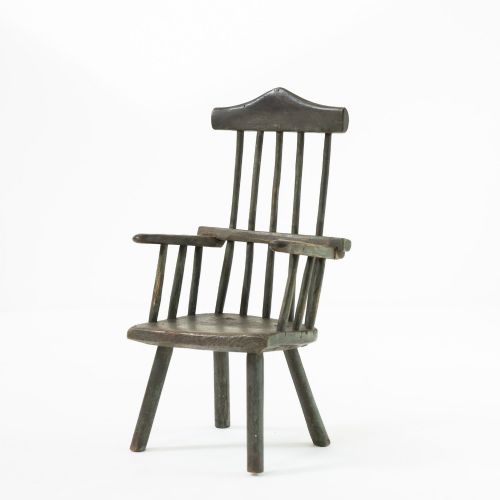
These rustic country child seat examples combine domestic utility with primitive folk art charm from periods spanning the eighteenth to the twentieth centuries.
Rustic Country Child Seat
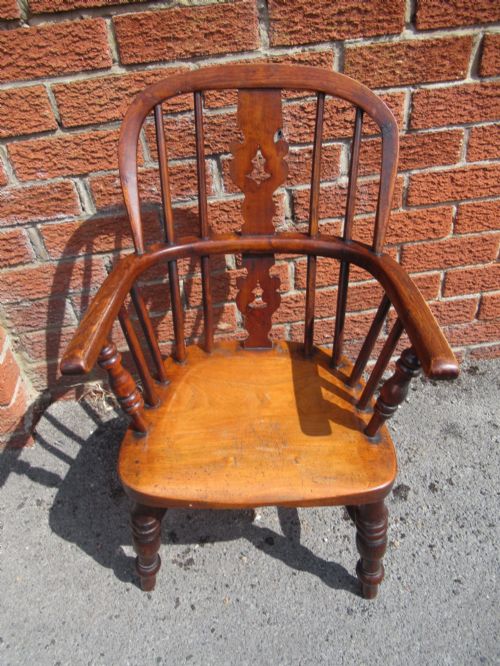
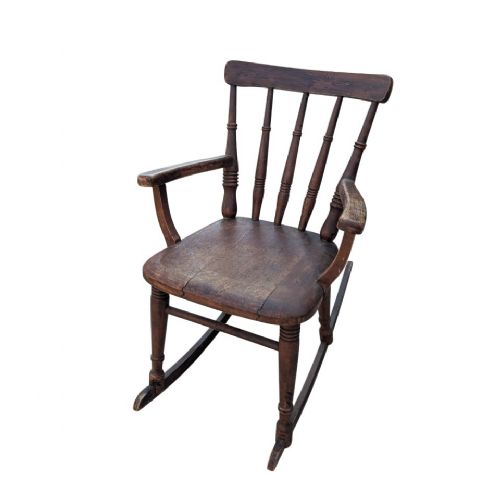
A rustic country child seat encompasses small scale seating created for domestic use, ranging from simple stools to sophisticated Windsor designs and rocking chairs. When examining this selection, buyers frequently encounter pieces originating from English and Scandinavian country traditions.
Makers produced these functional miniatures using regional timber resources, resulting in sturdy armchairs and stick backs suited to daily household environments. Folk art examples demonstrate distinctive primitive qualities that set them apart from formal urban furniture.
Materials and construction methods
Craftsmen utilised native timbers such as elm, ash, oak, yew, beech, and pine to construct these sturdy children's seats. Seat bases frequently integrated rush weaving alongside solid timber panels.
Joinery techniques relied on traditional stick back, spindle back, and Windsor methods where turned legs and uprights fit directly into thick wooden seats. Certain items retain original paint surfaces applied to protect and decorate the softwood or hardwood frames.
Current listings feature items from the eighteenth, nineteenth, and early twentieth centuries, constructed primarily from elm, oak, ash, beech, yew, and pine.
Distinctions in quality and execution
Quality in a rustic country child seat relates to the integrity of the timber framing and the harmony of primitive proportions. Surviving original surface treatments, such as early paint layers or patinated natural wood grain, elevate the character of a piece.
The dexterity shown in steam bending Windsor hoops or turning spindle backs distinguishes standard utilitarian items from those displaying folk art expression. Structural soundness in the joints and the retention of original rush seating further define the standard of survival.
The Rustic Country Child Seat Glossary
- Windsor chair
- A chair built with a solid wooden seat into which the legs and back spindles are bored directly. This construction provides robust strength through independent structural components.
- Rush seat
- A seating surface woven from dried marsh rushes or sedges. This traditional technique produces a flexible, textured platform common in country vernacular chairs.
- Stick back
- A chair design featuring plain turned or cleft sticks inserted into a bentwood or solid wooden top rail. It represents a streamlined approach to regional seating construction.
- Ladderback
- A chair back constructed from horizontal slats set between two vertical uprights. The slats often curve to accommodate the sitter's back comfortably.
- Vernacular furniture
- Domestic items built by local craftsmen using regional materials and traditional styles rather than following high fashion design canons. These pieces serve immediate functional needs within rural communities.
Rustic Country Child Seat: Frequently Asked Questions
Are these small chairs safe for children?
These items are primarily historic antiques built for domestic use in past centuries. While many remain structurally sound, contemporary safety standards for children's furniture differ significantly from older vernacular production.
Collectors generally acquire these pieces for display, interior styling, or gentle decorative use rather than rigorous modern nursery application.
How do I identify a Windsor child chair?
A Windsor construction is distinguished by legs and back spindles fitted straight into a sculpted wooden seat base. This method avoids traditional framed joinery in favour of direct socket connections.
Examples in this tradition frequently incorporate steam bent hoops and arm rails shaped for compact domestic seating.
What woods were used for country seating?
Maker workshops utilised native hardwoods and softwoods available in their immediate geographic regions. Elm, ash, oak, beech, and yew provided durable frames for legs and spindles.
Ppine and rush appeared frequently in regional builds for seats, benches, and painted finishes.
How can I tell the period of a child seat?
Dating relies on observing construction marks, timber ageing, tool traces, and regional stylistic conventions. Eighteenth and nineteenth century pieces display distinct turning profiles and joinery methods.
Comparing structural details against documented vernacular examples helps clarify the era of production.