




Dark Wood Childrens Chair
A dark wood childrens chair brings scaled-down craft into domestic spaces, offering sturdy timber construction suited to historic nurseries.

Dark Wood Childrens Chair
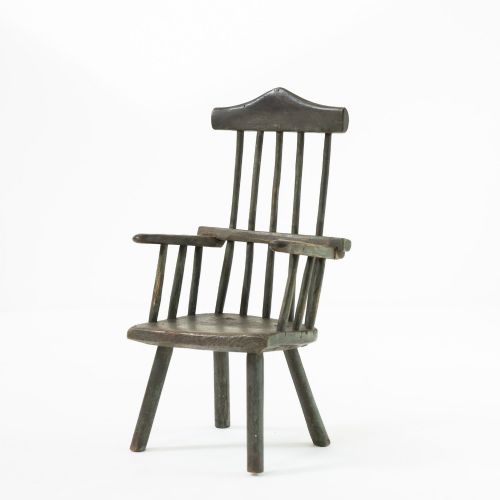
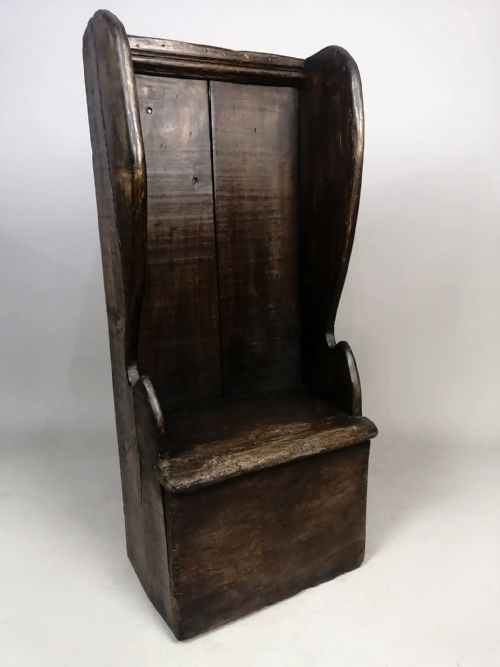
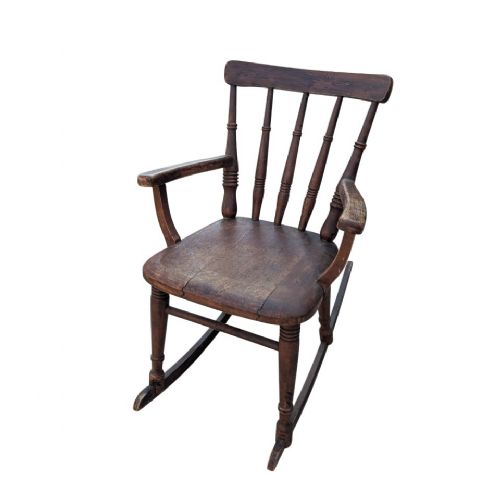
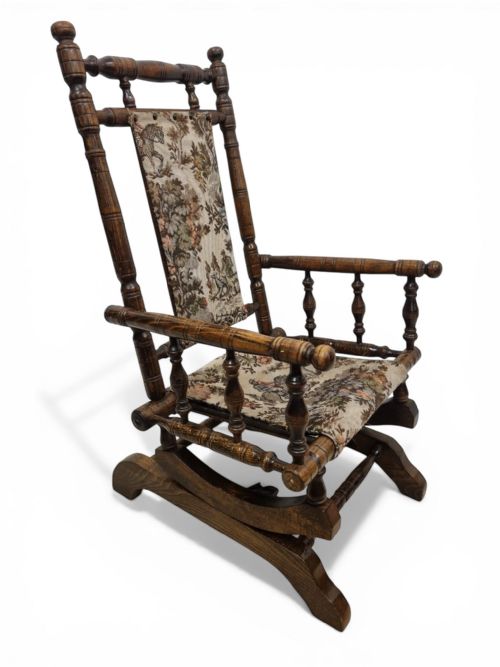
When searching for a dark wood childrens chair, buyers encounter domestic seating spanning the seventeenth century through to the early twentieth century. These pieces encompass high chairs, rocking chairs, armchairs, and commode chairs designed specifically for children.
The selections on this page range from vernacular styles like stick back armchairs and Windsor forms to formal Georgian and Victorian mahogany designs. Makers adapted adult furniture blueprints directly for smaller occupants, utilising durable hardwoods such as oak, mahogany, elm, and fruitwood.
Examples vary from simple primitive country pieces with rush seats to sophisticated George III high chairs and folding mechanisms from 1900. Each object reflects the domestic requirements of its period while maintaining solid timber construction.
Materials and construction methods
Makers utilised dense timbers such as oak, mahogany, fruitwood, and elm to ensure these miniature seats could withstand daily use by children. Turned spindles, bentwood elements, and pegged joints provided structural integrity for stick back, Windsor, and vernacular frames.
Surface finishes include natural polished wood, painted surfaces, and woven rush or cane seating. Additional details such as brass hardware, tapestry upholstery, and folding mechanisms demonstrate the technical variety applied to domestic juvenile furniture.
The listings on this page span seven distinct periods, running from the 17th century through to 1920.
Distinctions in construction and design
Superior examples combine honest vernacular construction with original timber patination and intact structural components like turned spindles or carved arms. Lesser items may show heavy alterations, replacement timbers, or loss of original surface finish.
The presence of specialised forms, such as lambing chairs, combined chair and table units, or commode mechanisms, elevates the interest of a piece. Finer proportions and sophisticated stylistic references to periods like the Georgian or Regency eras distinguish bespoke commissions from utilitarian workshop output.
The Dark Wood Childrens Chair Glossary
- Stick back
- A chair construction method where turned spindles are inserted directly into a solid seat slab. This method characterises many 19th-century folk art and primitive children's armchairs.
- Windsor
- A traditional seating form featuring a solid wooden saddle-shaped seat into which the legs and back spindles are wedged. Child's Windsor chairs demonstrate this robust pegged construction.
- Lambing chair
- An enclosed wooden armchair designed to protect the occupant from draughts, often featuring wings and a solid low base. Fruitwood examples date back to the 17th century.
- Commode chair
- A piece of seating furniture enclosing a chamber pot beneath a lidded or pierced seat. Victorian mahogany children's versions adapted this domestic necessity for nursery use.
- Rush seat
- A seating surface woven from dried marsh rushes twisted around a frame. Victorian children's chairs frequently utilise this tactile organic material for comfort.
Dark Wood Childrens Chair: Frequently Asked Questions
How are antique children's chairs dated?
Dating relies on identifying timber species, joinery techniques, and stylistic markers corresponding to periods like the Georgian or Victorian eras. Secondary clues include tool marks and the ageing of the wood surface.
Constructive details such as pegged joints, hand-turned spindles, and original rush or upholstery help narrow the decade of manufacture when combined with overall design proportions.
Were these small chairs meant for daily use?
Most pieces served practical functions in historic nurseries, dining rooms, and parlours for feeding, rocking, or general seating. High chairs and commode chairs addressed specific domestic routines.
Robust hardwoods like oak, elm, and mahogany ensured these items survived rigorous treatment by young occupants over generations.
What is the difference between a high chair and a rocking chair?
High chairs feature elevated legs designed to bring a child up to table height, sometimes incorporating a combined table structure. Rocking chairs are mounted on curved wooden rockers for motion.
Both forms utilise similar dark wood materials and vernacular building techniques but serve entirely different functions within the historic household.
How do I care for antique wooden children's seating?
Maintenance involves keeping timber away from direct heat sources and rapid humidity fluctuations to prevent wood splitting. Gentle dusting with a dry cloth preserves the original polish.
Avoid chemical polishes that can degrade historic surface patination and finish layers accumulated over centuries of existence.