



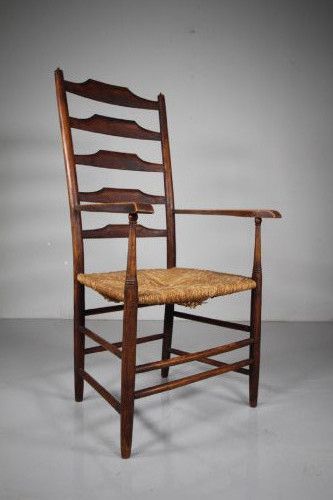
Rustic Country Chair
A rustic country chair brings vernacular English character into a room through honest timber construction and regional design.
Rustic Country Chair
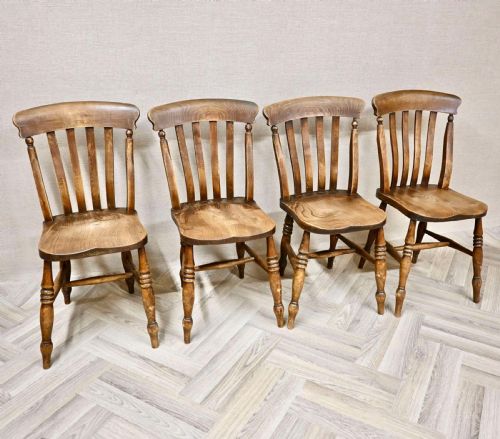
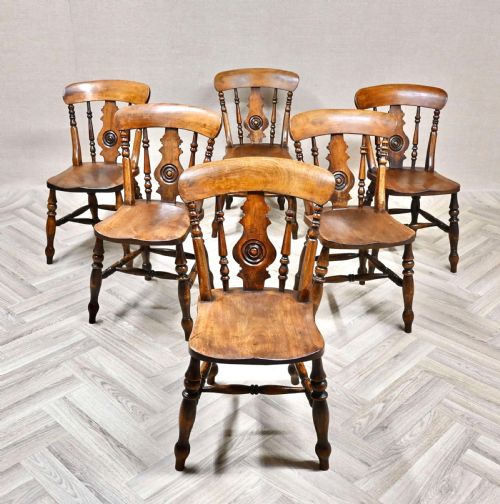
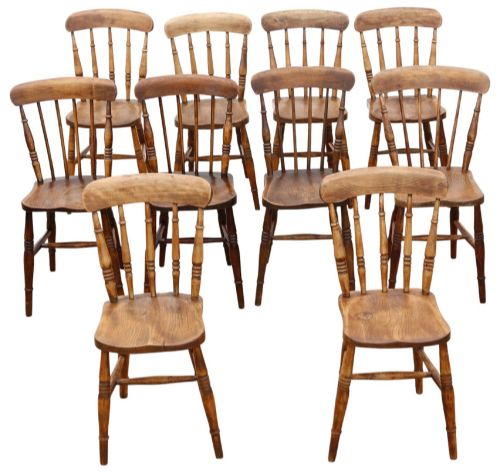
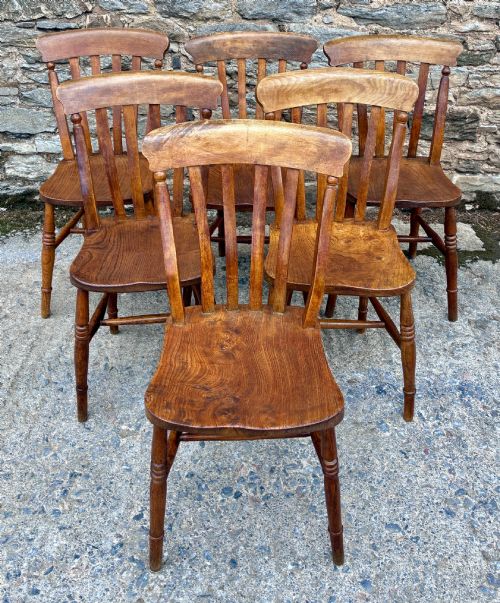
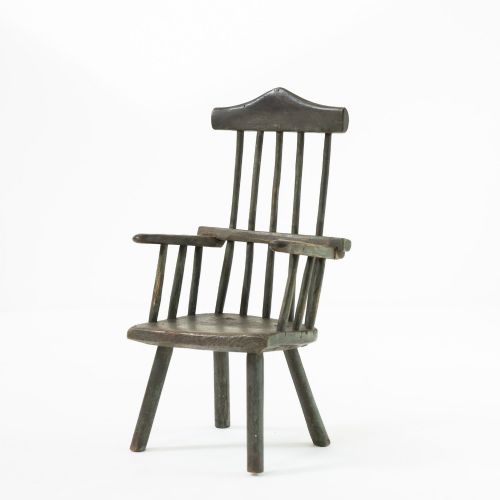
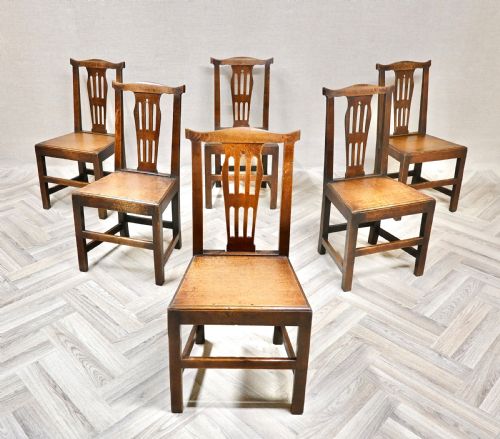
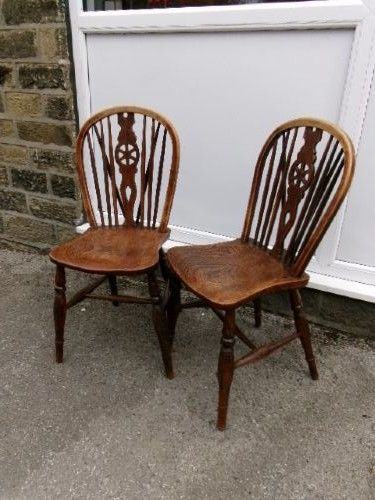
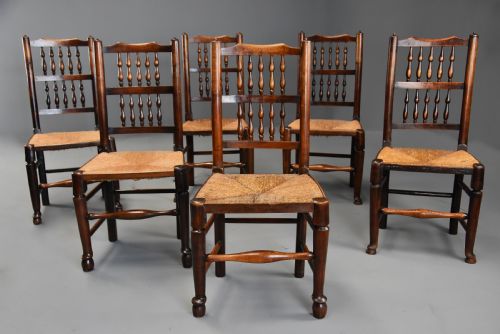
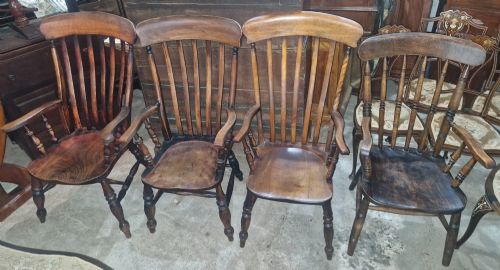
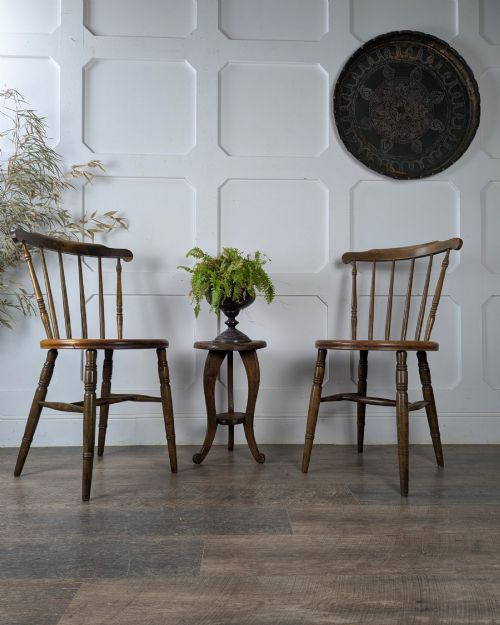
A rustic country chair encompasses vernacular seating forms made by regional joiners and wheelwrights rather than metropolitan cabinetmakers. When you search for a rustic country chair, you encounter sturdy dining chairs, Windsor armchairs, ladder backs, and stick backs spanning the eighteenth, nineteenth, and early twentieth centuries. The examples found here rely heavily on domestic woods shaped for everyday utility in farmhouses, cottages, and country kitchens.
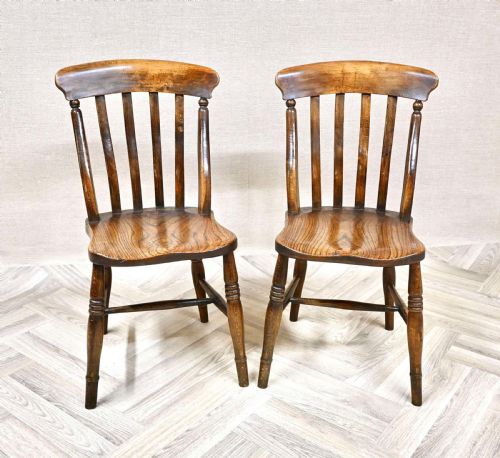
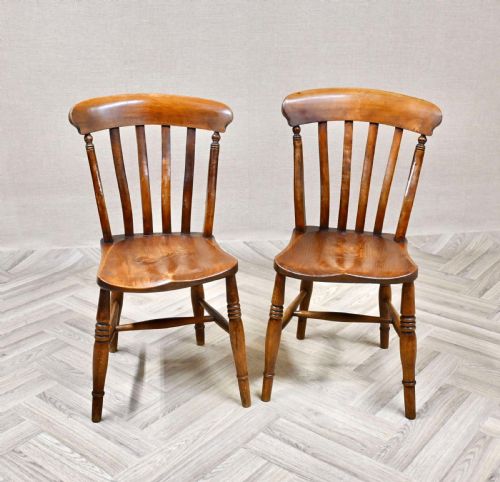
The most common forms on this page include nineteenth-century Windsor chairs featuring elm seats and ash or beech superstructures. You also find sets of kitchen dining chairs alongside vernacular primitives like children's stick backs and bar stools. These pieces reflect local traditions, ranging from Thames Valley Windsors to Welsh high-back armchairs.
Materials and construction methods
Makers utilised a combination of native timbers chosen for specific structural properties, most notably solid elm for comfortable, resilient saddles and ash or beech for flexible spindles and bentwood hoops. Oak also appears frequently in ladder backs and heavy frames, while rush serves for woven seating surfaces.
Construction relies on traditional joinery such as tenons wedged through drilled seats, steam-bent backrests, and turned legs. The resulting frame gains strength from underseat stretchers, sometimes including crinoline forms, which bind the legs together without metal fasteners.
Listings feature eighteenth-century, Regency, and Victorian periods, constructed from elm, ash, oak, and beech.
Distinctions in craftsmanship and survival
Quality in these vernacular pieces rests upon the integrity of the timber selection and the retention of original surfaces. An elm seat chosen from a thick board with deep adze marks shows greater character than a replacement plank, and well-turned spindles with crisp detail demonstrate superior handwork.
Proportion and structural survival dictate the standing of an individual chair. Examples that retain their original height, tight joints, and an undisturbed surface patina without excessive replacement parts represent the high water mark of vernacular country making.
Philip Clissett·Dinco
The Rustic Country Chair Glossary
- Windsor
- A chair built with a thick wooden seat into which the legs, back spindles, and bow are separately socketed. This method creates a sturdy, lightweight frame.
- Elm
- A durable, tough timber resistant to splitting, traditionally chosen for chair seats because it accommodates the bodger's scooped saddle design.
- Spindle back
- A chair back constructed from multiple thin turned rods fitted between a top rail and the seat. It provides light yet rigid support.
- Crinoline stretcher
- An arched underseat stretcher looping outward between the legs of a Windsor chair. It reinforces the lower frame and adds a decorative flourish.
- Patina
- The surface texture, colour, and sheen developed through decades of human contact, cleaning, and oxidation. It indicates age and honest use.
Rustic Country Chair: Frequently Asked Questions
What is a Windsor chair?
A Windsor chair is a form where the legs and back components fit directly into a solid wooden seat rather than a traditional frame. This construction creates a robust and practical piece of seating.
Most examples pair an elm seat with ash or beech spindles and a bentwood bow or comb for the backrest.
How do I date an old country chair?
Dating relies on observing construction marks, timber wear, tool indicators, and overall stylistic evolution. Eighteenth-century models often display heavier proportions and distinct regional turning patterns compared to later Victorian iterations.
Examining the underside of the seat for joinery methods and signs of hand tools provides further clues to the period of origin.
Are these chairs comfortable for daily use?
Many of these pieces were built for functional domestic tasks and feature ergonomically sculpted elm seats that accommodate the body well. Their sturdy frames handle regular sitting without difficulty.
Adding a loose pad or cushion helps adapt older wooden seats for extended dining or desk work.
How do I clean wooden country chairs?
Maintenance requires only gentle dusting with a soft cloth and occasional application of appropriate beeswax to nourish the dry timber. Avoid modern silicone polishes that build up and degrade the original surface.
Keeping the chairs away from direct heat sources prevents the wood from drying out and joints from loosening over time.