




Rustic Copper Pan
A rustic copper pan brings practical warmth to a kitchen, shaped by centuries of heavy use and honest metalwork.
Rustic Copper Pan
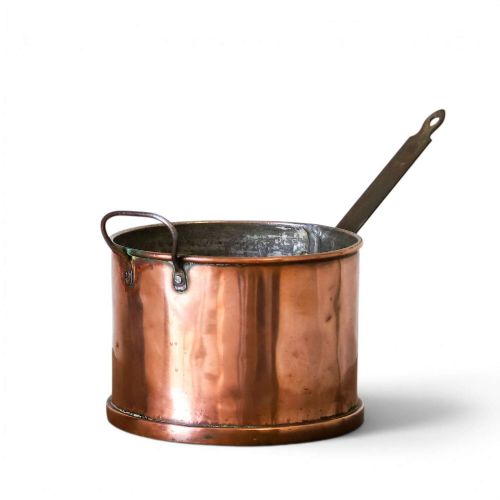
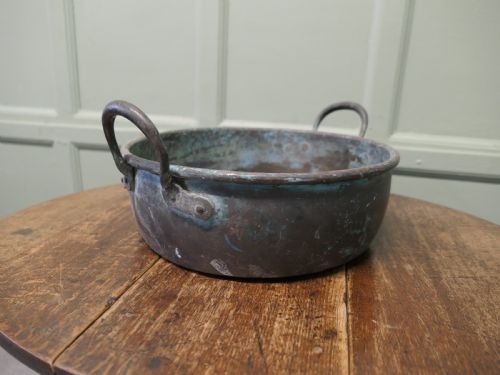
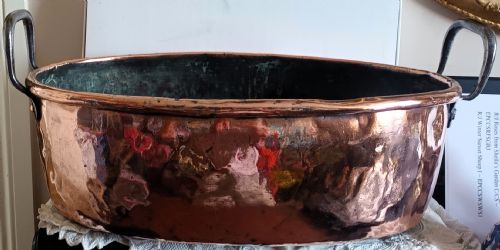
A rustic copper pan spans practical kitchenware from the Georgian and Victorian eras, taking the form of preserve pans, jam pans, cauldrons, and saucepans. These vessels were made for heavy domestic or farm kitchen use rather than display, showing the marks of real work.
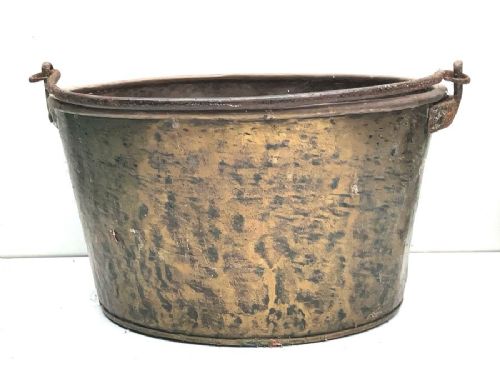
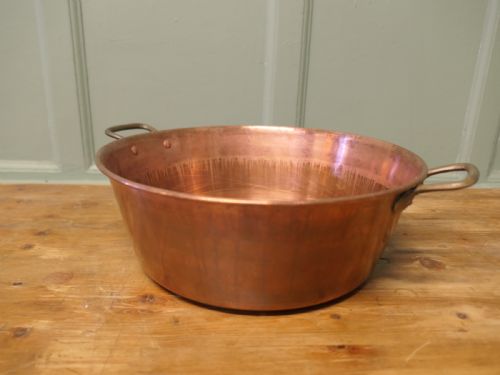
You will most frequently meet 19th-century copper preserving pans and jam pans on this page, often featuring robust iron or wrought iron swing handles. These deep vessels were built for boiling fruit and sugar over open fires or ranges.
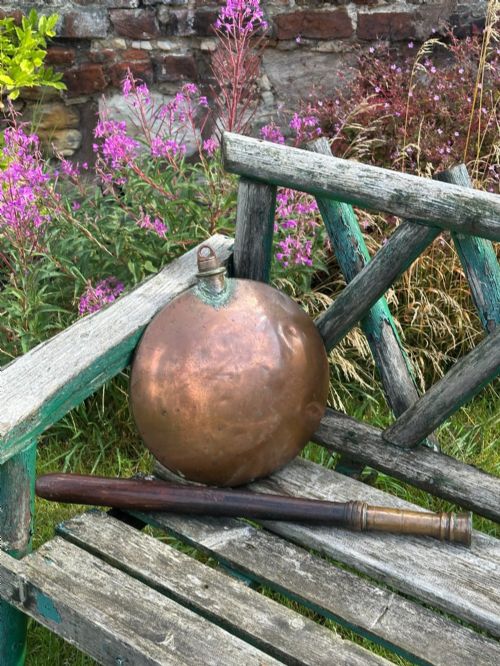
The selection also includes rarer forms like moon-shaped warming flasks with detachable oak handles, cream setting pans, and large cooking vessels. Alongside cookware, you will occasionally find copper and iron balance scales with original weights.
Materials and construction
These pieces rely on heavy gauge copper hammered or beaten into shape by hand, paired with structural elements in iron, wrought iron, and brass. The combination of soft, heat-conducting copper with rigid iron handles ensured the vessels could hold immense weight when full.
Handles and fittings were secured with sturdy rivets, while interiors were often lined with tin to prevent food from reacting with the copper. Oak and brass occasionally appear for handles, spouts, or supporting hardware on specific vessels like warming flasks.
Rustic Copper Pan Retail Price Guide 2026
Typical asking prices for rustic copper pan among the pieces listed under this phrase on Sellingantiques today, from the lower quarter to the upper quarter. They describe what is for sale here now, not the wider market.
Listings span the 18th century through to the 1930s, uniting copper, iron, wrought iron, brass, tin, cast iron, and oak.
Assessing quality
Quality rests in the gauge of the copper and the integrity of the hand-beaten form, where thicker metal walls denote utilitarian strength rather than decorative thinness. Superior pieces retain their original patination and honest signs of age without losing their structural balance.
The refinement of the ironwork matters greatly, from the sweep of a wrought-iron handle to the neatness of the handmade rivets. Complete sets or pieces retaining original iron weights and matching handles stand apart from modified or mismatched survivors.
The Rustic Copper Pan Glossary
- Gauge
- The thickness of the metal sheet used to form the vessel. A heavy gauge ensures the pan resists warping under intense heat.
- Patina
- The surface sheen and colour developed through age, handling, and cleaning. It provides a visual record of the object's history.
- Preserving pan
- A wide, often round-bottomed vessel designed for making jams and preserves. Its shape encourages even evaporation.
- Cauldron
- A large deep pot with a swing handle, traditionally hung over an open hearth. These vessels were essential for bulk cooking.
- Swing handle
- A movable arched handle attached to pivots on the sides of a pan. It allows the heavy vessel to be tipped or carried easily.
Rustic Copper Pan: Frequently Asked Questions
What were rustic copper pans used for?
These copper vessels served heavy domestic duties in Georgian and Victorian kitchens, primarily for boiling large batches of jam, preserving fruit, or heating water over open hearths and ranges.
Deep pans and cauldrons handled boiling sugar and preserves, while specialised forms like cream setting pans and warming flasks performed specific dairy and comfort tasks.
How do I date a copper pan?
Dating relies on observing construction methods, handle attachments, and the hammer marks left by the maker. Georgian and 19th-century pieces often display hand-beaten surfaces and hand-forged iron handles secured with early rivets.
Heavier gauge metal and simpler, utilitarian forms typically point towards the earlier end of the nineteenth century or the late eighteenth century.
Can I cook with antique copper pans?
While these pans were built for serious kitchen work, historical pieces often require a fresh tin lining before coming into contact with food today. Modern users generally inspect the interior surface carefully to ensure the metal remains safe for culinary use.
Many collectors prefer to display them or use them gently for decoration rather than subjecting antique metal to daily cooking.
How do I clean old copper?
Cleaning antique copper depends on whether you wish to preserve the dark, aged patination or bring back a bright metallic shine. Gentle washing with warm soapy water removes surface dirt without disturbing the historic character.
Harsh abrasive polishes can strip away centuries of accumulated character, so most experienced handlers prefer mild, traditional cleaning methods.