



Rustic Ceramic Planter Pot
These rustic ceramic planter pot pieces are heavy earthenware and terracotta vessels shaped for the garden, prized for their weathered surface character.
Rustic Ceramic Planter Pot
When you search for a rustic ceramic planter pot, you are looking at nineteenth-century garden vessels, oil jars, and strawberry planters. These pieces range from unglazed earthenware to salt-glazed stoneware and green-glazed terracotta.
You are most likely to meet French Biot jars, olive jars, and faux bois planters on this page. The forms originate from nineteenth-century workshops in France, Portugal, and the Mediterranean.
Makers shaped these pots for utilitarian tasks like storing oil, salt, or olives before gardeners repurposed them as planters. The selection spans straightforward garden pots to large decorated jardiniere vessels.
Materials and construction
Potters built these vessels using local clay and terracotta, shaping them by hand or on traditional wheels. The natural materials give each piece its porous quality and earthy tone.
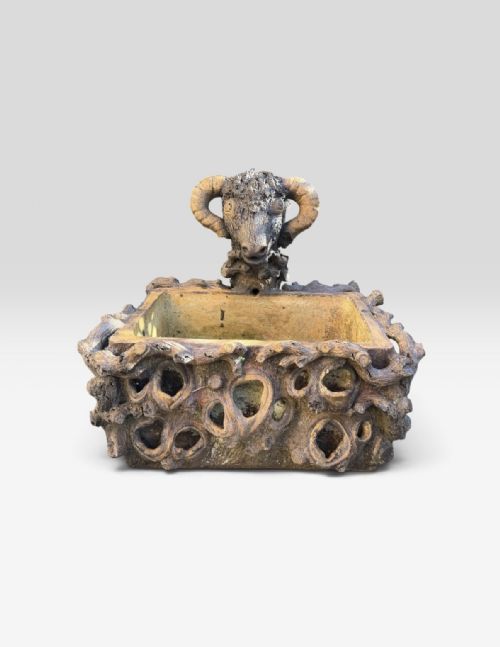
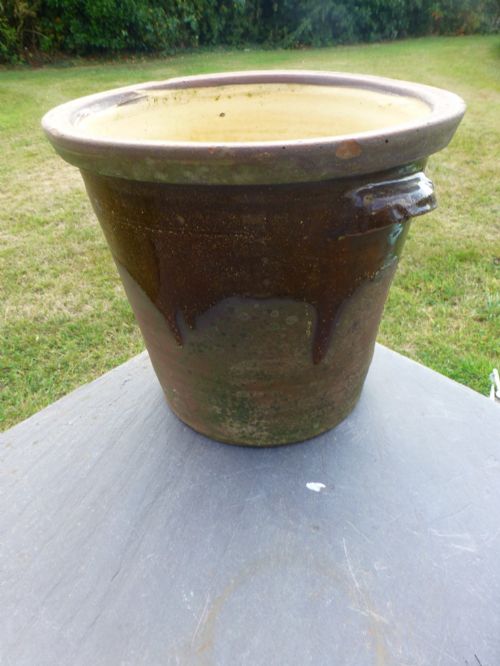
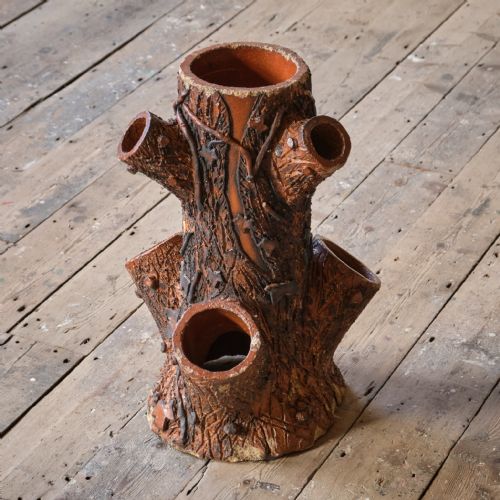
Surface treatments vary from simple salt-glazes to rich green lead glazes. Many pots show the marks of hand-finishing, including naturalistic bark textures on faux bois pieces and aged surface patinas.
Rustic Ceramic Planter Pot Retail Price Guide 2026
Typical asking prices for rustic ceramic planter pot among the pieces listed under this phrase on Sellingantiques today, from the lower quarter to the upper quarter. They describe what is for sale here now, not the wider market.
Common forms include olive jars, confit pots, and faux bois strawberry planters.
Assessing quality in early garden vessels
Quality rests in the harmony between the form and the natural wear of the material. A well-thrown body with balanced proportions commands attention without relying on excessive ornament.
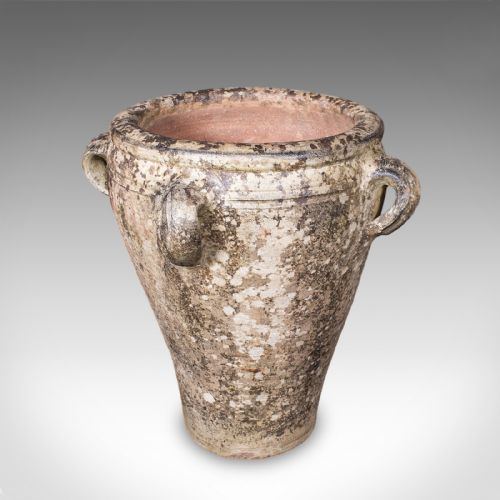
The depth of the aged patina and the integrity of the original glaze determine the visual weight of the piece. Authentic weathering developed through decades of exposure adds character that artificial ageing cannot replicate.
The Rustic Ceramic Planter Pot Glossary
- Terracotta
- Fired unglazed clay of a brownish-red colour. It forms the primary material for the majority of nineteenth-century garden pots and oil jars.
- Faux bois
- Imitation of wood in another material. In these listings, it describes planters moulded to look like natural tree trunks and branches.
- Confit jar
- A traditional French earthenware pot with handles, usually partially glazed. Originally designed for preserving food, these now serve as decorative planters.
- Biot jar
- Large terracotta storage vessel from the French town of Biot. These feature robust proportions and distinct historical patinas.
- Salt-glazed stoneware
- Pottery fired at high temperatures with salt thrown into the kiln. This process creates a dense, durable body with a slightly pitted texture.
Rustic Ceramic Planter Pot: Frequently Asked Questions
What plants suit these large pots?
These deep terracotta vessels suit small trees, shrubs, and trailing perennials that benefit from good root space.
The porous nature of the clay allows air to reach the soil, helping to prevent waterlogging for established plants.
Can these pots stay outside in winter?
Most nineteenth-century earthenware and terracotta pots tolerate mild frost if drainage remains clear. Severe freezing can crack porous clay, so sheltering delicate pieces indoors during winter is wise.
Raising the base slightly off the ground on pot feet prevents moisture from freezing underneath.
How do I clean an old jar?
Wash the surface gently with water and a soft brush to remove dirt while preserving the historical patina. Avoid harsh detergents that can strip the weathered surface character.
Allowing the natural moss and lichen to remain often enhances the appearance of garden-worn terracotta.
How can I tell the age of a planter?
Examine the clay body, tool marks, and surface wear for inconsistencies typical of nineteenth-century hand production. Handmade pots show subtle irregularities in thickness and shape.
Old surface patinas develop through decades of handling and exposure rather than artificial chemical treatments.