



Brown Terracotta Planter
These brown terracotta planters are robust earthen vessels designed to hold garden plantings, prized for their weathered surface character and enduring utility.
Brown Terracotta Planter
A brown terracotta planter brings natural earthy tones and robust forms to garden spaces, functioning as both a practical container and a sculptural garden ornament. Buyers searching for a brown terracotta planter typically encounter nineteenth-century pieces, including Victorian rustic styles, French salt-glazed troughs, and Mediterranean oil jars.
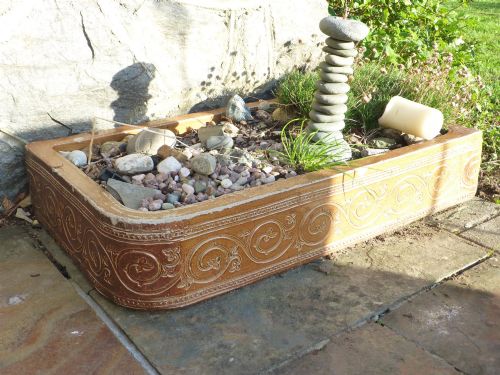
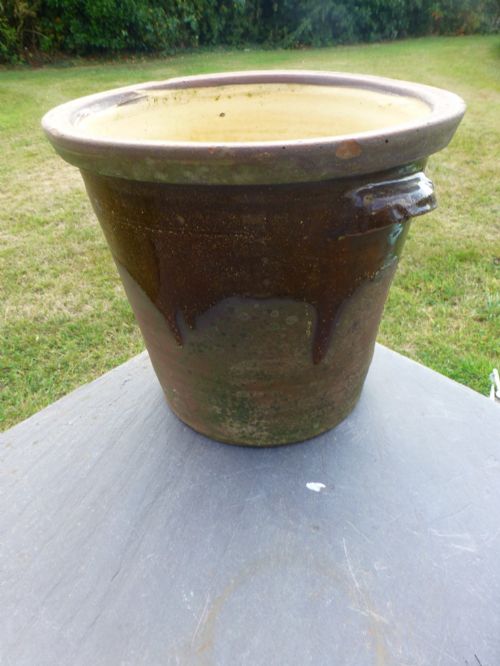
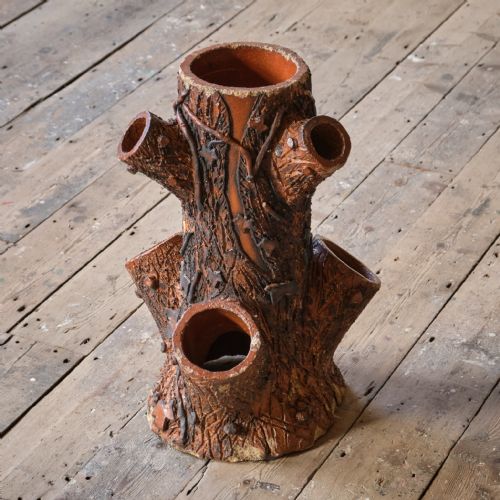
The selection ranges from large Scottish ceramic jardinières in the majolica taste to naturalistic faux bois strawberry planters and Turkish olive vases. These vessels serve varied roles in horticulture and landscape design, functioning as log bins, dairy salting crocks repurposed for planting, or grand window troughs.
Most examples originate from the nineteenth century, capturing periods such as the eighteen-eighties and eighteen-seventies alongside early twentieth-century oil jars. The forms vary from tall amphorae and oil jars to low strawberry planters and substantial garden troughs.
How they were made
These pieces are formed from clay, terracotta, earthenware, and ceramic, often shaped into naturalistic or architectural forms. Makers utilised salt-glazed stoneware and specialised glazes to achieve durable, weather-resistant surfaces on nineteenth-century vessels.
Certain utilitarian forms incorporate wrought iron hardware, combining metalwork with heavy ceramic bodies for structural support. Faux bois designs require skilled modelling of the clay to replicate the texture and appearance of natural wood grain.
Brown Terracotta Planter Retail Price Guide 2026
Typical asking prices for brown terracotta planter among the pieces listed under this phrase on Sellingantiques today, from the lower quarter to the upper quarter. They describe what is for sale here now, not the wider market.
Strawberry planters feature multiple side pockets so the fruit stays clean and away from garden slugs.
What varies in quality
Quality in a brown terracotta planter rests upon the crispness of the modelling, particularly in naturalistic and faux bois designs where surface detail defines the piece. The depth and character of the glaze or salt-glazed finish also determine visual appeal, alongside the proportional balance of the vessel.
Guichard Carriès
The Brown Terracotta Planter Glossary
- Terracotta
- Fired red or brown clay used for pottery and garden ornaments. It is porous and breathes, which aids plant root health.
- Faux bois
- Imitation of wood grain rendered in ceramic, concrete, or stone. This decorative technique became particularly popular during the Victorian era for garden ornaments.
- Jardiniere
- An ornamental pot or stand for flowers or plants. These are typically designed for display within interior rooms or sheltered garden areas.
- Amphora
- A tall ancient storage jar with two handles and a narrow neck. Later iterations were adapted for garden ornamentation and storage.
- Salt-glazed stoneware
- Pottery that develops a glossy, slightly pitted texture resembling orange peel. This finish is achieved by throwing salt into the kiln during high-temperature firing.
Brown Terracotta Planter: Frequently Asked Questions
What are brown terracotta planters used for?
These vessels are primarily utilised for housing garden plants, small trees, and trailing flowers within outdoor and conservatory settings. Historically, many of these utilitarian forms served alternative agricultural or domestic purposes before becoming garden ornaments.
Larger oil jars and amphorae function as standalone focal points in landscape design, while troughs and strawberry planters suit specialised planting schemes.
How do you care for an antique planter?
Antique terracotta and earthenware require protection from severe winter frost, as absorbed moisture can expand and crack the porous clay body. Moving vessels indoors or under shelter during freezing conditions preserves the material.
Cleaning should be gentle, avoiding harsh chemical treatments that might strip the historic patination and weathered surface character accumulated over centuries.
Are these planters frost resistant?
Many older terracotta and earthenware pieces possess a degree of porosity that makes them vulnerable to frost damage. Salt-glazed stoneware and denser glazed ceramics generally offer better resistance to winter weather.
Drainage must be kept clear to prevent water accumulation inside the base during cold weather, reducing the risk of structural cracking.
How can you tell the age of a planter?
Dating relies on examining the manufacturing technique, clay composition, and surface finish characteristic of specific nineteenth-century periods. Naturalistic faux bois moulding and salt-glazing methods often point towards Victorian production eras.
Form, proportion, and the presence of historical wear patterns further help distinguish mid-nineteenth-century examples from later twentieth-century garden wares.