



Rustic Cast Iron Seat
A rustic cast iron seat brings enduring structure and botanical motifs to an outdoor space.
Rustic Cast Iron Seat
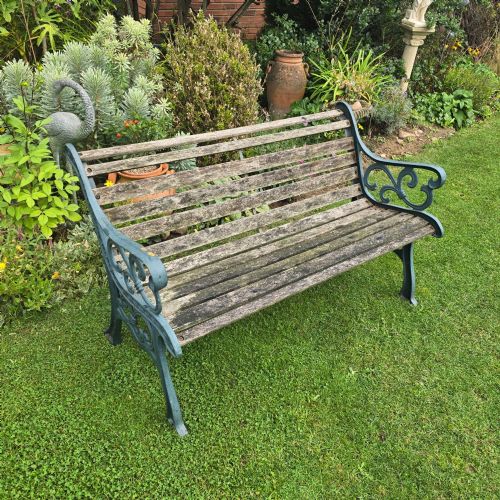
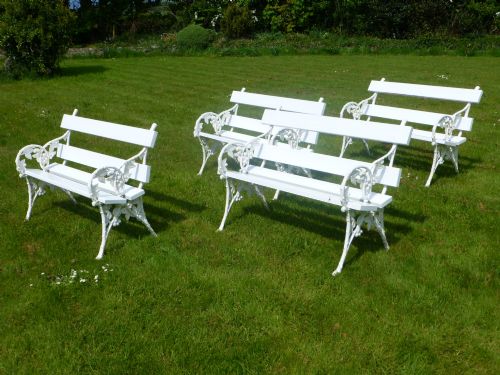
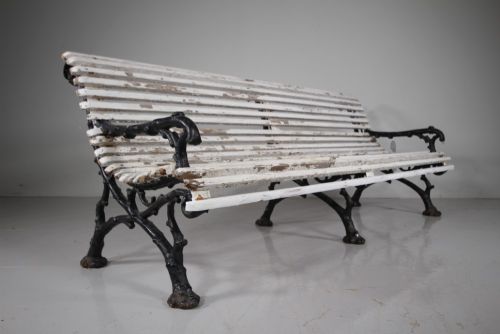
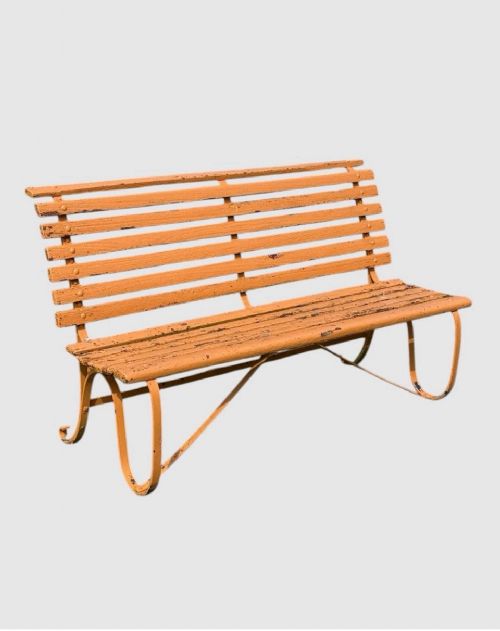
A rustic cast iron seat takes many forms across garden benches, two-seater benches, and separate bench ends designed for outdoor placement. These pieces emerge from the nineteenth century and the Victorian era, frequently adopting rustic patterns that mimic natural branches and woodland forms.
The selection here includes French Country designs alongside English examples, featuring both complete benches and bench ends awaiting timber slats. Makers such as the Falkirk foundry, Coalbrookdale, and Phoenix foundry produced these enduring outdoor seats.
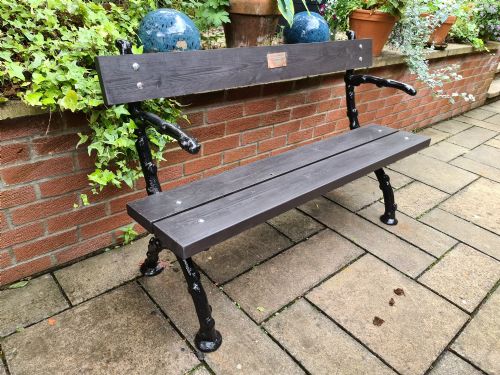
The visitor encounters items that combine heavy metalwork with wooden elements, including elm and other timber slats. Such seats serve as functional garden furniture while displaying distinct nineteenth-century foundry work.
How they were made
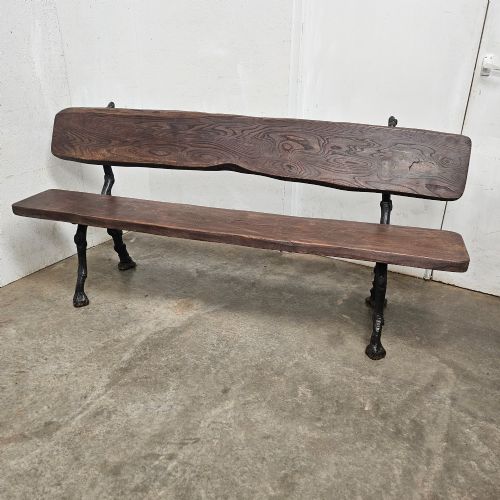
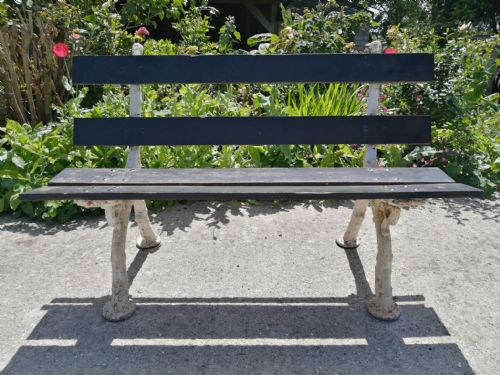
Foundries utilised cast iron to shape intricate botanical elements, including blackberry and leaf patterns, as well as faux bois designs that imitate natural wood grain. Molten metal poured into sand moulds captured detailed textures like bark, twigs, and foliage.
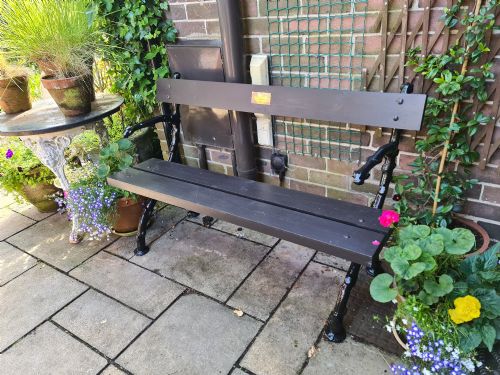
Complete seats integrate these robust iron frames with timber components, such as elm slats and painted wood boards, secured to form the seating surface and backrest. Some examples survive merely as pair of cast iron bench ends, intended to receive replacement timber.
Rustic Cast Iron Seat Retail Price Guide 2026
Typical asking prices for rustic cast iron seat among the pieces listed under this phrase on Sellingantiques today, from the lower quarter to the upper quarter. They describe what is for sale here now, not the wider market.
The listings span the nineteenth century and the Victorian period, utilising cast iron, elm, paint, and timber.
What varies in quality
Quality rests upon the crispness of the foundry casting, where superior examples display sharply rendered blackberry leaves and distinct faux bois textures rather than softened, worn details. The attribution to notable makers like Coalbrookdale or the Falkirk foundry elevates an example above unmarked workshop production.
The integrity of the construction depends upon the balance between the cast iron frame and the retained timber, with original elm components holding greater significance than later replacements. Paint retention and surface weathering also distinguish pieces that have preserved their original character over the decades.
Falkirk foundry·Coalbrookdale·Phoenix foundry
The Rustic Cast Iron Seat Glossary
- Cast iron
- A strong, hard alloy of iron and carbon poured into moulds to create complex shapes. This material forms the durable structural frames and decorative ends of nineteenth-century garden seats.
- Faux bois
- An artistic imitation of wood, used here in ironwork to mimic natural branches, bark, and logs. This French term translates directly to false wood.
- Bench ends
- The structural side supports of a seat that hold the backrest and seat slats together. Pairs of these iron castings often survive independently from their original wooden planks.
- Elm
- A durable hardwood known for its interlocking grain and resistance to splitting. This timber frequently supplies the slats for nineteenth-century garden benches.
Rustic Cast Iron Seat: Frequently Asked Questions
Are these seats suitable for permanent outdoor use?
Cast iron and timber garden seats are designed to withstand outdoor conditions, having endured in gardens since the nineteenth century.
Over decades, the metal develops a stable surface character while the wooden elements respond to local weather conditions.
What does faux bois mean on a bench?
Faux bois refers to metalwork cast to imitate the natural texture of tree branches, bark, and twigs.
Victorian foundries used this technique to blend garden furniture seamlessly into woodland and parkland settings.
Can I buy just the iron bench ends?
Listings occasionally offer pair of Victorian cast iron bench ends without their original wooden slats.
This allows a buyer to source appropriate timber locally and restore the seat to a functional length.
How do I identify a Coalbrookdale bench?
Attributions rely on documented nineteenth-century patterns, such as registered rustic designs and faux bois motifs associated with the foundry.
Certain pieces carry registry marks or foundry stamps that confirm their origin.