


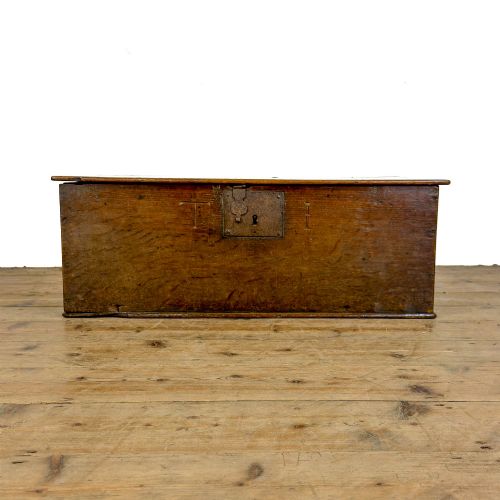
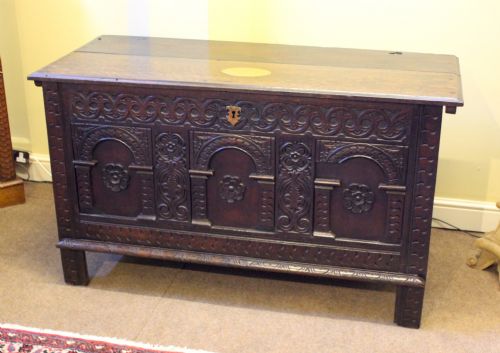
Rustic Carved Oak Coffer
A rustic carved oak coffer is a robust traditional storage chest that brings centuries of history and practical utility into a modern room.
Rustic Carved Oak Coffer
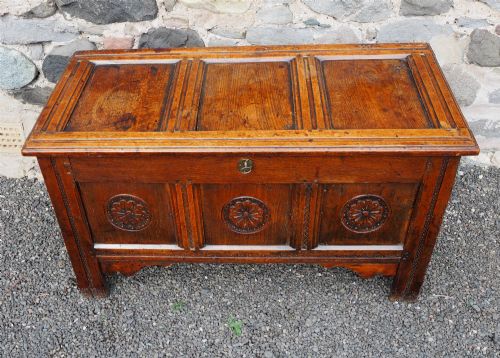
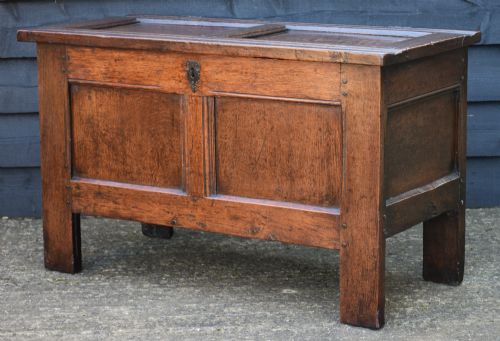
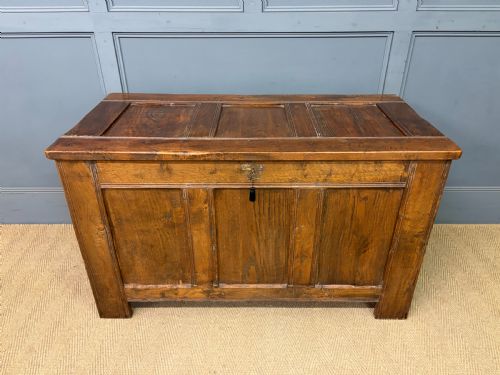
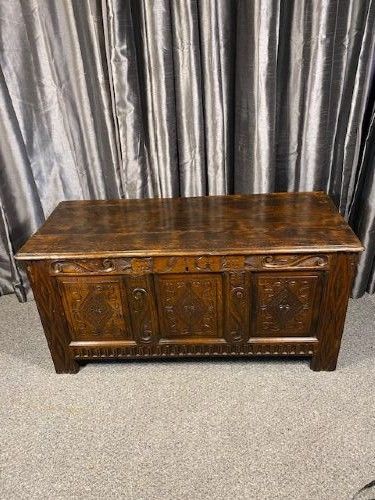
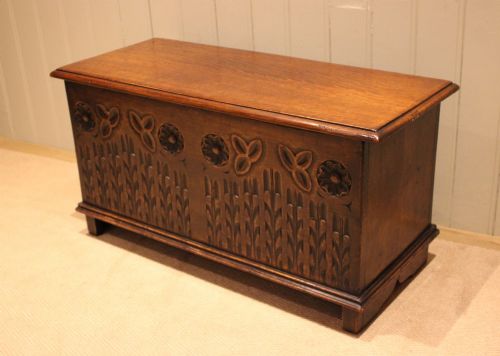
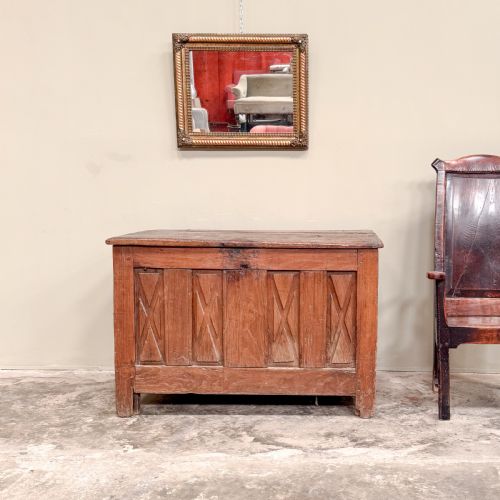
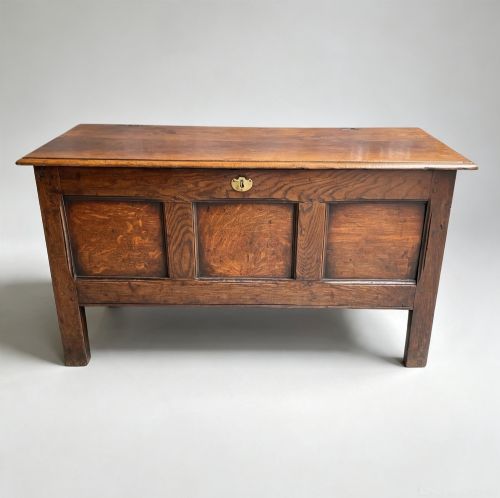
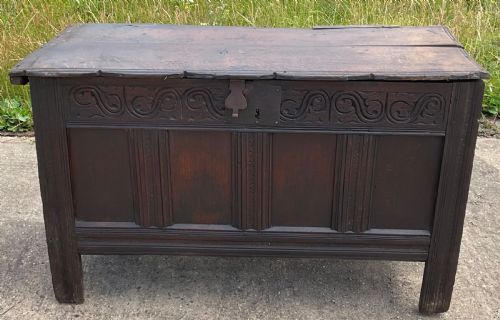
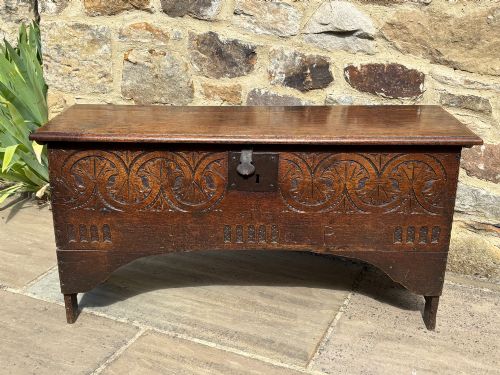
A rustic carved oak coffer serves as a traditional storage chest, often built with panelled construction and decorative carving. When you search for this phrase, you will encounter pieces primarily from the seventeenth and eighteenth centuries, alongside later nineteenth-century interpretations.
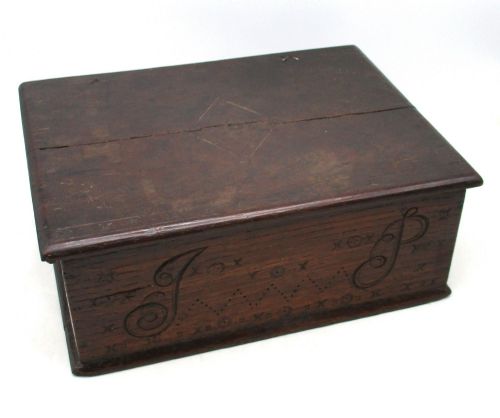
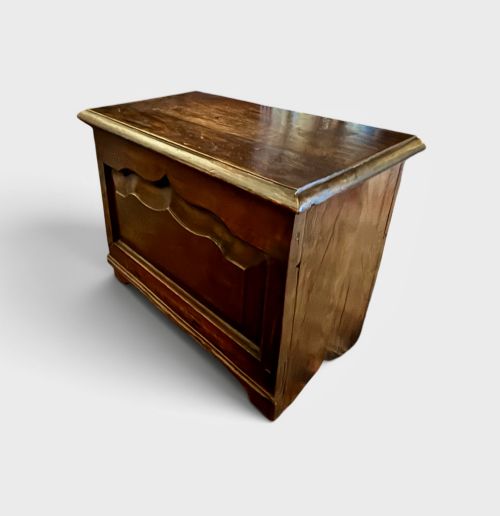
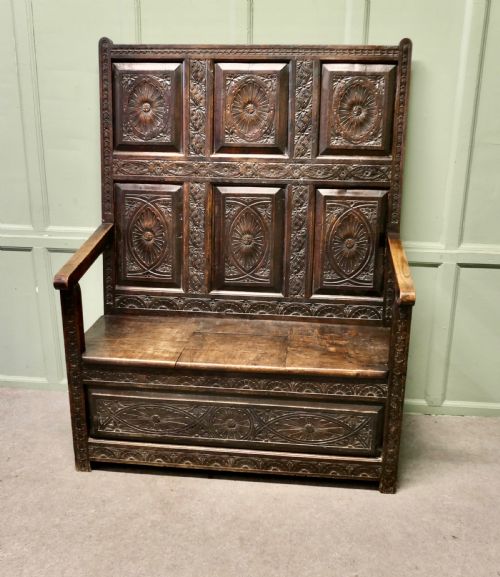
The selection ranges from small document boxes and Bible boxes to large blanket chests and box-seated settles. Many examples originate from English workshops, while continental European pieces and Welsh regional variations also appear.
Makers utilised solid timber to construct these heavy chests for domestic storage, holding everything from linen to important documents. The surface decoration typically reflects the period style, ranging from geometric Jacobean motifs to simpler provincial carving.
Materials and construction methods
Makers constructed these chests primarily using solid oak, occasionally incorporating secondary timbers like pine or decorative accents of burr elm and pollard oak. Metal reinforcement such as iron and brass appears on hinges, locks, and bound edges.
Joinery relied on traditional techniques like mortise and tenon frames holding panelled sides together. Hand-carved ornamentation adorned the front panels, while internal fittings sometimes included small candle boxes.
One recorded panel depicts the narrative of the chicken thief, immortalising farmyard crime in solid oak.
What separates examples
The crispness and depth of the hand-carving distinguish finer pieces from simpler utilitarian boxes. Timber selection also plays a part, where figured grain or burr elm panels elevate the visual interest of the chest.
Originality of construction, including period ironwork and unaltered hinges, defines the integrity of a piece. Proportion and scale further divide the selection, with smaller proportions and miniature document boxes holding particular appeal.
Jack Grimble
The Rustic Carved Oak Coffer Glossary
- Coffer
- A large wooden chest traditionally used for storing valuables, linen, or documents. These sturdy pieces often feature hinged lids and panelled construction.
- Bible box
- A small tabletop or desk box designed to hold family scriptures and writing materials. Many feature sloping lids and carved front panels.
- Mule chest
- A traditional storage chest featuring one or more drawers beneath the main lift-top compartment. They bridge the gap between a simple coffer and a chest of drawers.
- Box settle
- A wooden bench featuring a high back and a box seat that lifts for storage. These seating pieces combine utility with comfort.
- Jacobean style
- The prevailing design aesthetic during the early seventeenth century, characterised by geometric mouldings and strapwork carving. This style frequently appears on oak furniture from the period.
Rustic Carved Oak Coffer: Frequently Asked Questions
What were coffers originally used for?
Coffers served as the primary storage furniture in households for centuries, holding valuable items like textiles, silver, and legal documents.
Because they were heavy and fitted with strong locks, they also acted as secure strongboxes for domestic valuables before the widespread use of built-in closets.
How do I tell a seventeenth-century coffer from an eighteenth-century one?
Seventeenth-century examples often display distinct Jacobean geometric panelling, heavy pegged joinery, and darker patination developed over centuries of handling.
Eighteenth-century pieces frequently show cleaner lines, simpler provincial carving, or regional variations such as Welsh or continental European design traits.
Where should I place a coffer in my home?
A coffer works exceptionally well at the foot of a bed for storing extra blankets and bed linen, or as a coffee table in a living room.
Smaller boxes and Bible boxes sit comfortably on side tables, desks, or chest tops while providing concealed storage for smaller items.
What is inside a traditional coffer?
Most coffers offer a deep, open interior space designed for bulk storage, though some feature a small partitioned compartment known as a candle box.
This smaller internal box kept candles and tinder separate from the main contents and prevented them from rolling around.