


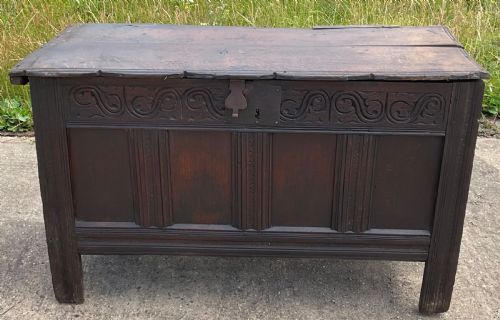
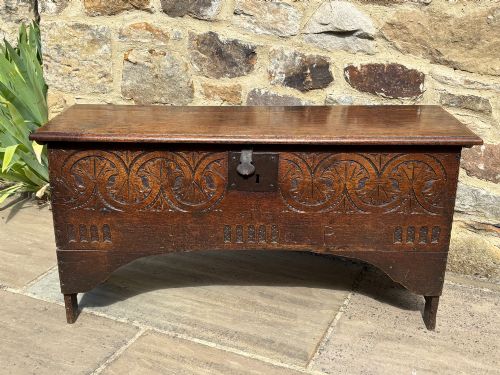
Rustic Carved Oak Box
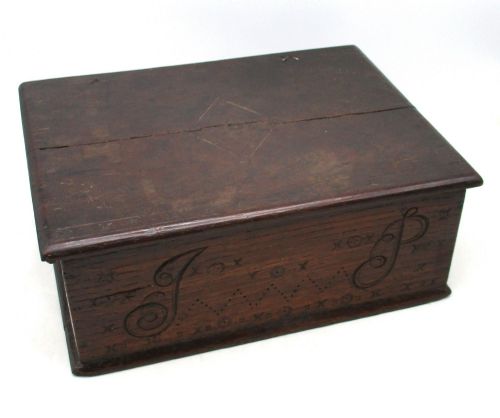
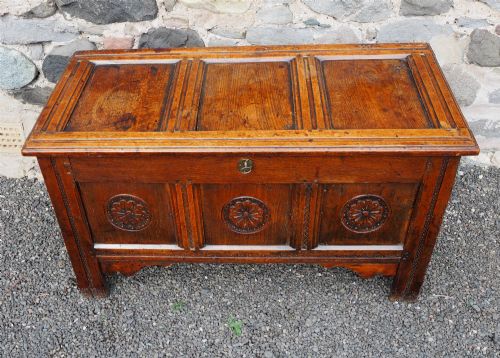
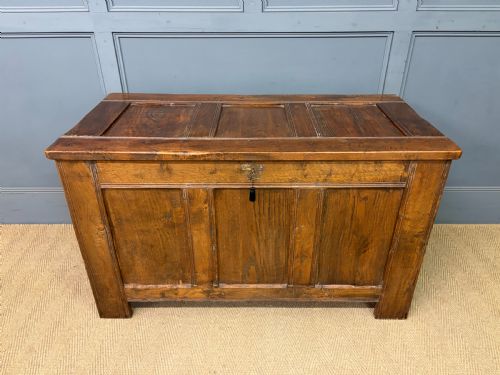
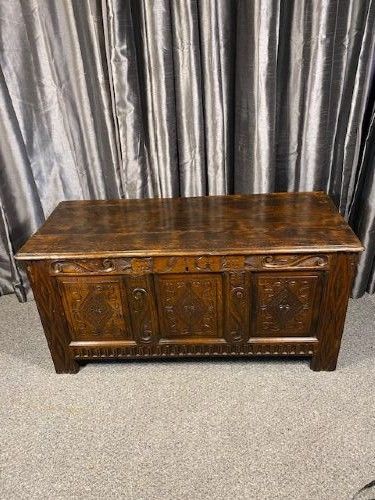
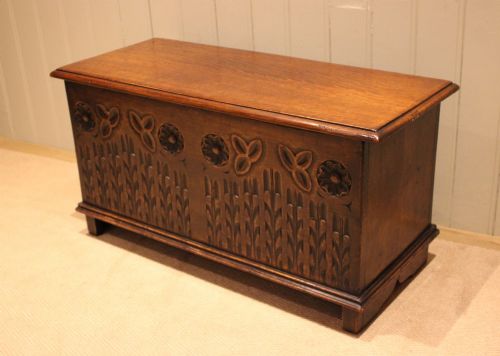
A rustic carved oak box is a sturdy storage piece defined by hand-carved surfaces and solid timber construction.
Rustic Carved Oak Box
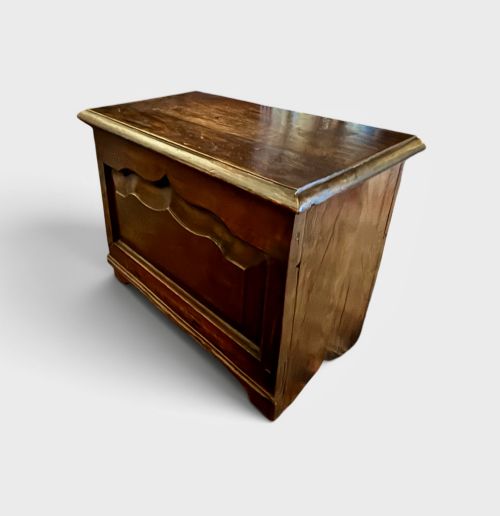
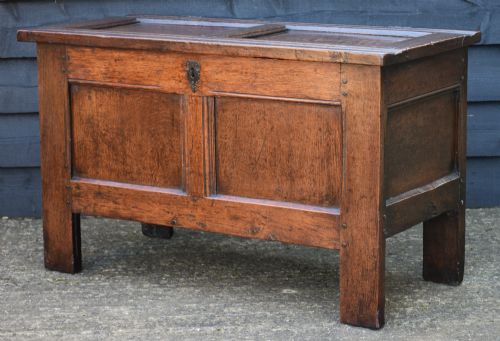
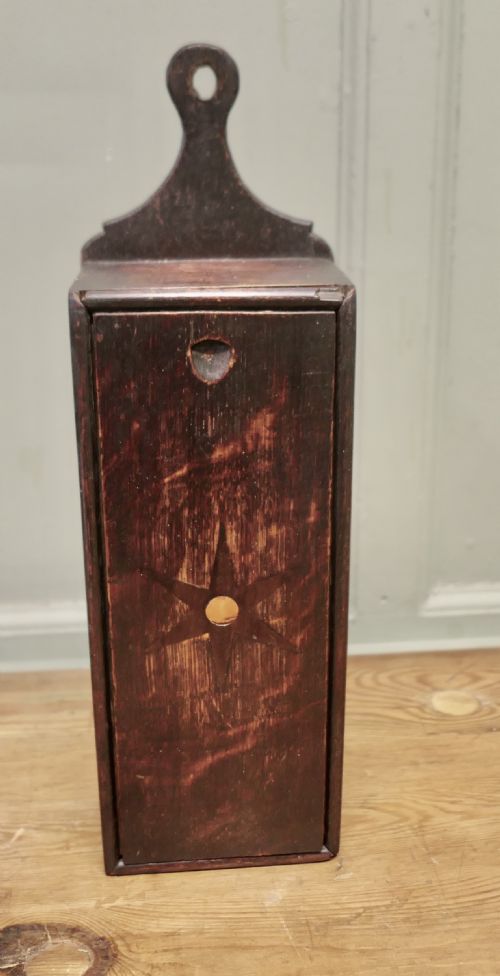
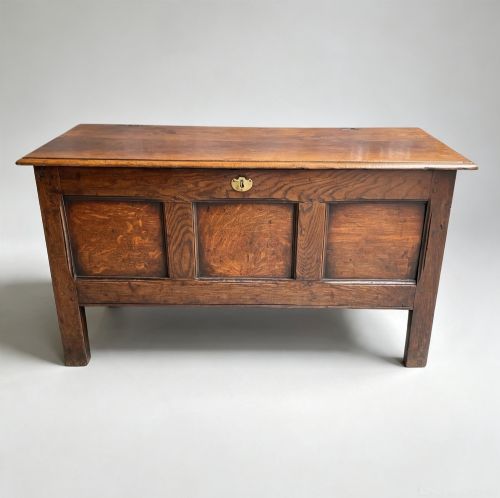
When you search for a rustic carved oak box, you encounter items ranging from compact Bible boxes and document holders to larger blanket chests and coffers spanning several centuries. The selection encompasses small wall-hanging candle boxes alongside substantial storage chests designed for domestic utility.
Pieces from the seventeenth and eighteenth centuries dominate the selection, bringing panelled construction and regional British or European craftsmanship into focus. Makers utilised solid oak, frequently augmented with iron hardware or brass details, to create functional containers that survived generations of daily use.
Materials and methods of construction
Cabinet makers relied primarily on solid oak, occasionally incorporating burr elm panels or pine linings to construct these heavy storage boxes. Structural integrity depended on pegged mortise and tenon joints, hand-planed boards, and robust framing.
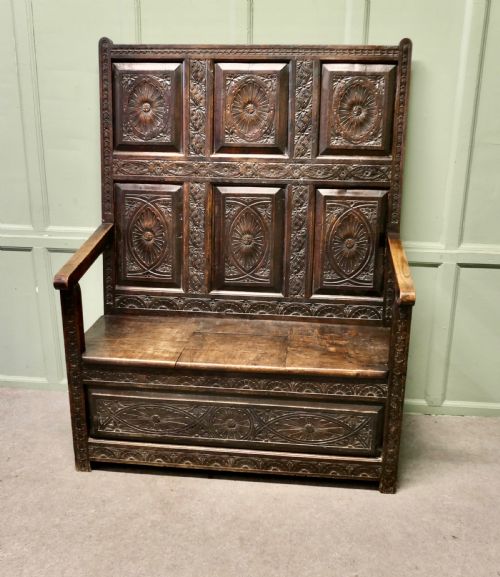
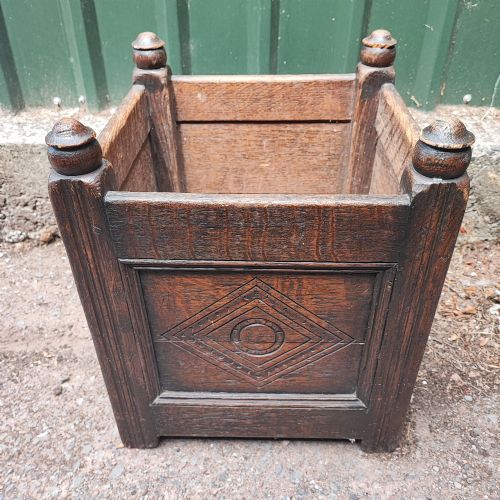
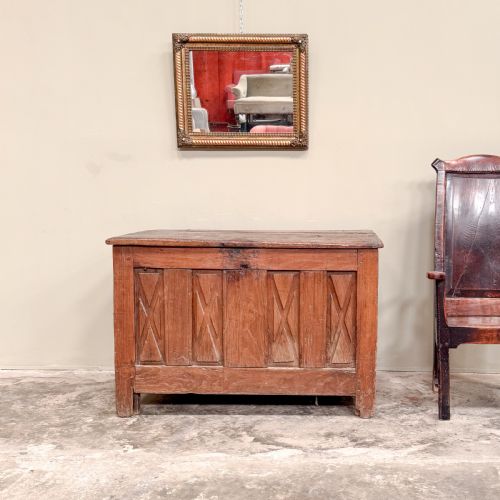
Surface ornamentation involved hand-carving directly into the timber, utilising gouges and chisels to produce geometric patterns, foliage, or panels. Iron hinges, latches, and brackets were hand-forged, while surviving examples occasionally retain traces of early red paint or original fixings.
Assessing quality in carved oak boxes
Superior examples display crispness in the hand-carving and integrity in the timber selection, where the grain and quarter-sawn figure of the oak remain prominent. The thickness of the original boards and the retention of period ironwork elevate a piece above standard utility items.
Proportion and scale dictate desirability, particularly in smaller forms like Bible boxes and candle holders where diminutive dimensions increase utility. The balance between the structural frame and the decorative panels determines the overall visual weight.
Jack Grimble
The Rustic Carved Oak Box Glossary
- Bible box
- A small, table-top storage chest featuring a sloping or flat lid, historically used for holding sacred texts and writing materials.
- Coffer
- A large, heavy storage chest fitted with a hinged lid, traditionally utilised for securing valuables, linen, or documents.
- Mule chest
- A storage chest combining the deep box base of a coffer with one or more drawers fitted beneath.
- Salt box
- A wall-hanging container with a sloping lid designed to keep culinary salt dry in domestic kitchens.
- Panel
- A distinct central section of wood fitted within a grooved frame, allowing the timber to expand and contract safely.
Rustic Carved Oak Box: Frequently Asked Questions
How were oak bible boxes used historically?
Bible boxes served as secure desktop containers for household manuscripts, letters, and religious books in early homes. Their sloping lids provided a convenient angled surface for writing before dedicated desks became common.
These portable chests sat upon tables or benches, often containing small internal compartments for ink and quills. Their sturdy construction ensured valuable texts remained protected from dampness and theft.
What is the difference between a coffer and a chest?
In historical terminology, a coffer generally implies a heavy storage box with a more complex panelled construction and a flat lid used for seating or storage. Chests often share this function, though specific regional variations include drawers or specialised internal tills.
Both forms utilise solid timber frames joined by pegged tenons, but coffers frequently display more elaborate decorative carving across the front rails.
How do I care for antique oak furniture?
Maintain antique oak boxes by keeping them away from direct heat sources and dramatic humidity fluctuations that cause timber to split. Apply a traditional beeswax polish sparingly to nourish the wood and preserve the surface sheen.
Avoid synthetic sprays or excessive moisture during cleaning, allowing the natural patina built up over centuries to remain undisturbed.
How can I tell the age of an oak box?
Dating relies on examining the construction methods, tool marks left by hand planes, and the method of joint assembly. Pegged mortise and tenon joints, hand-forged iron hardware, and vernacular carving styles point towards seventeenth or eighteenth-century origins.
Secondary woods, nail types, and wear patterns around the feet and handles offer further clues to a piece's chronological period.