

Rustic Carved Back Chair
A rustic carved back chair brings honest country craft into a room, offering sturdy seating shaped by regional tradition.
Rustic Carved Back Chair
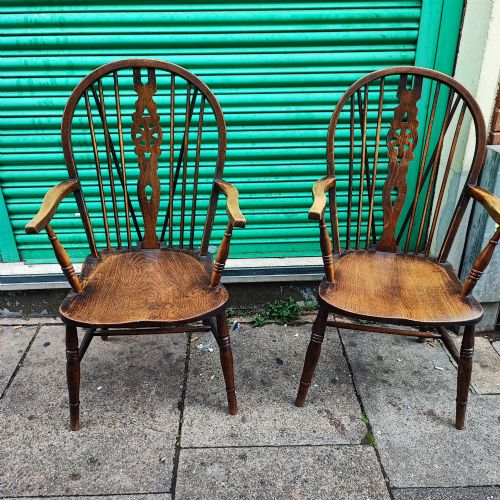
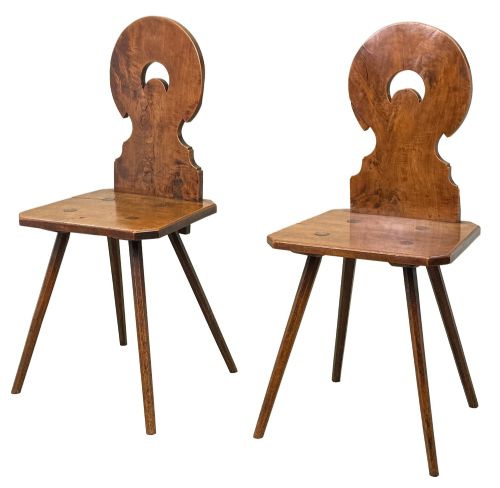
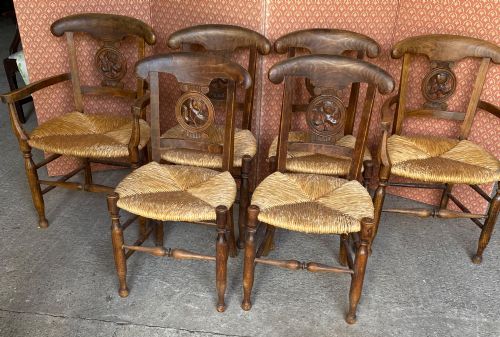
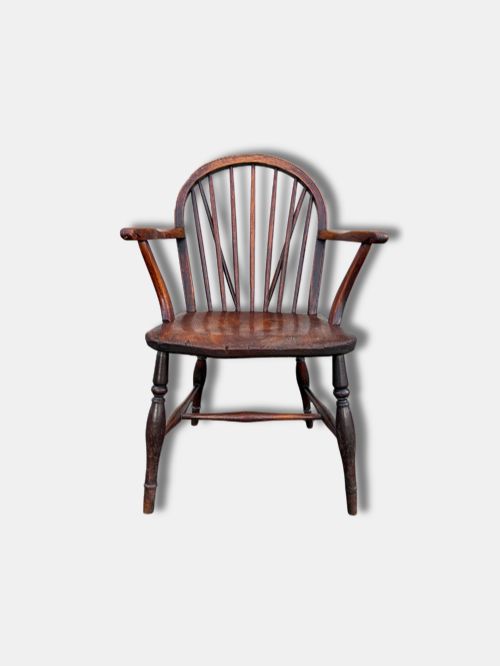
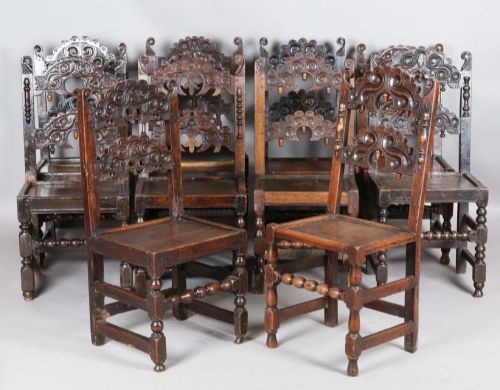
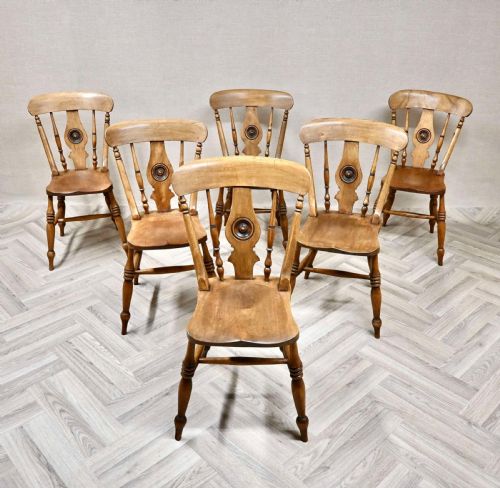
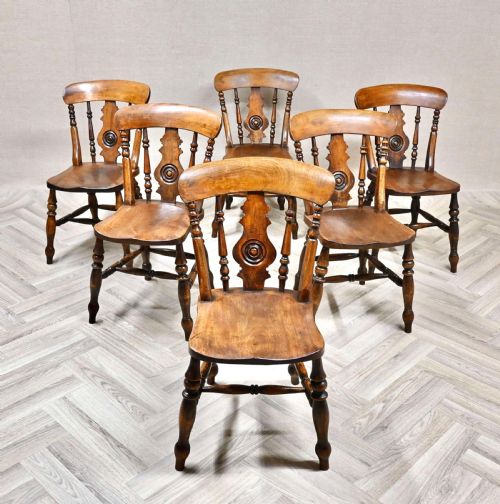
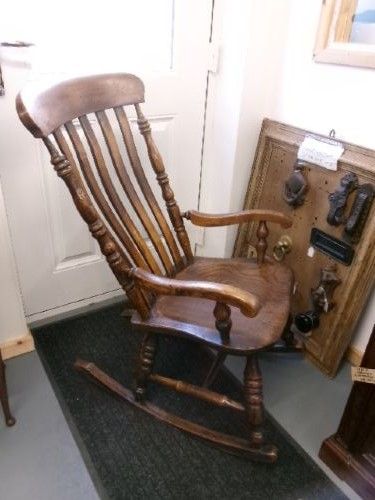
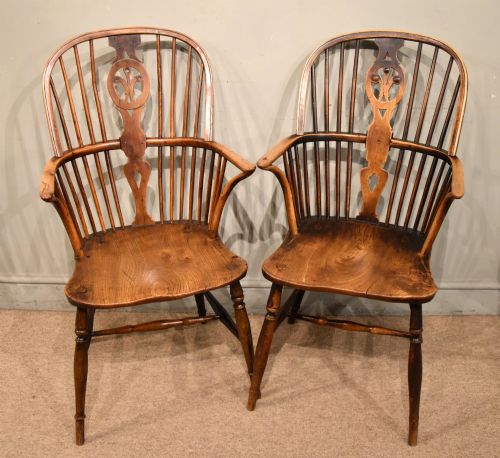
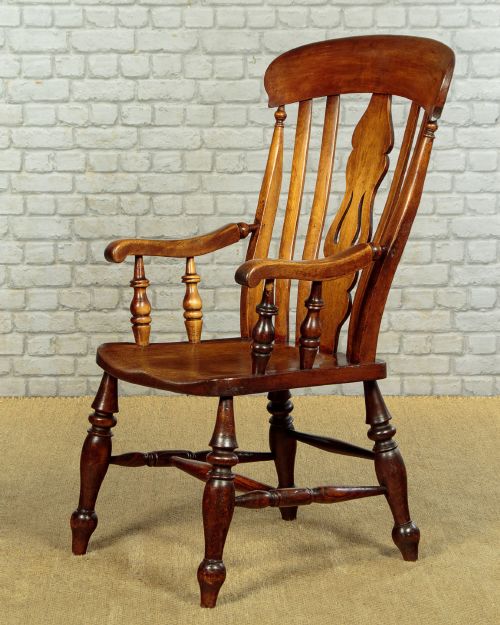
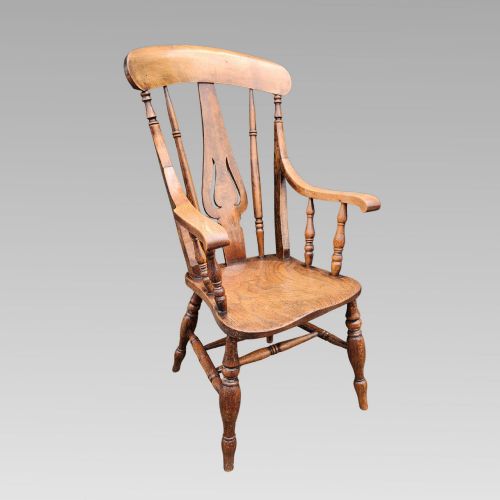
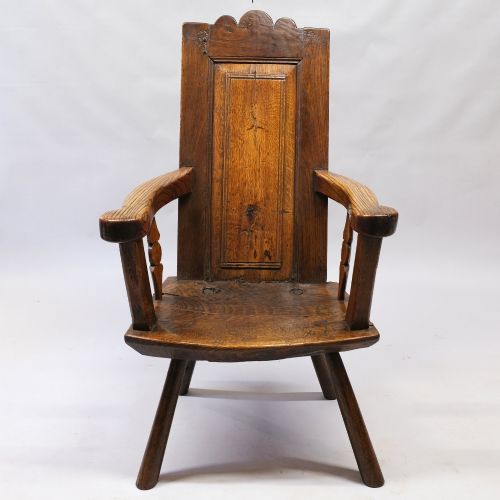
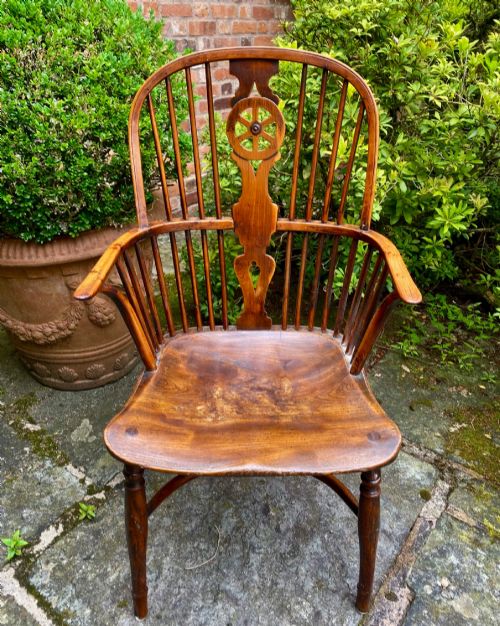
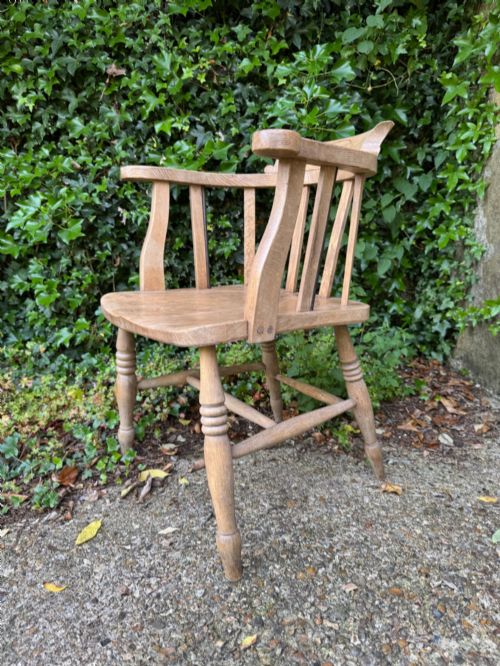
A rustic carved back chair encompasses a range of traditional seating, from Windsor armchairs to panel backed and ladderback forms. These pieces originate in domestic country settings and workshops, reflecting local vernacular design rather than urban formal furniture.
The pieces listed span the 17th through the 20th centuries, with significant representation from the 18th and 19th centuries. Buyers will frequently encounter elm, oak, and ash examples bearing regional styles like English Country, Victorian Country, and Georgian Vernacular.
Materials and construction
Craftsmen utilised native timbers such as elm for solid seats, ash for flexible spindles, and oak for structural framing. These mixed woods provided the necessary strength and resilience for daily domestic use in farmhouses and kitchens.
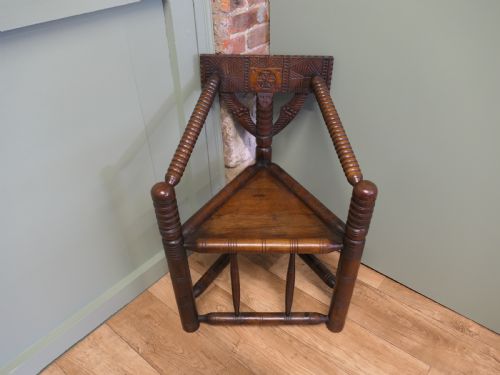
Joinery methods combined traditional pegged mortise and tenon joints with turned components and steam-bent elements like hoop backs. Bobbin turning, spindle work, and carved panels added decoration without compromising structural integrity.
Rustic Carved Back Chair Retail Price Guide 2026
Typical asking prices for rustic carved back chair among the pieces listed under this phrase on Sellingantiques today, from the lower quarter to the upper quarter. They describe what is for sale here now, not the wider market.
Some chairs incorporate up to four different woods in a single frame, showing how makers utilised leftover workshop scraps.
Evaluating quality and character
Quality rests in the selection of timbers and the harmony of mixed woods within a single frame, such as yew combined with fruitwood and elm. The integrity of the original construction and the balance of the carved or turned elements dictate the standing of a piece.
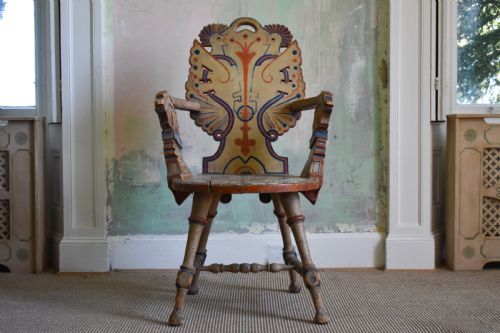
Patina and surface wear acquired through generations of use separate ordinary examples from exceptional vernacular items. Original painted finishes, untouched timber surfaces, and retained regional quirks elevate the desirability of a chair.
The Rustic Carved Back Chair Glossary
- Windsor chair
- A chair built with a solid wooden seat into which the legs and back-spindles are separately bored and wedged. This form relies on a stout undercarriage for stability.
- Vernacular furniture
- Domestic objects made by regional makers using local materials and traditional methods. These pieces follow utilitarian needs rather than high-style court fashions.
- Bobbin turning
- A form of lathe turning that produces a series of rounded, bead-like shapes resembling bobbins of thread. It appears frequently on 17th and 18th century framing.
- Panel back
- A chair construction utilising flat wooden panels fitted into grooved stiles and rails. This method provides a solid back support common in early oak seating.
Rustic Carved Back Chair: Frequently Asked Questions
How do I identify a Windsor chair?
A Windsor chair is characterised by a heavy solid wooden seat that acts as the central anchor for the entire construction. The legs and back pieces are fitted directly into bored holes rather than relying on a traditional box frame.
Regional variations change the back design from hoops and spindles to wheelbacks and comb backs. This technique ensures the chair remains resilient under heavy daily use.
How do I care for antique elm furniture?
Elm timber responds best to stable indoor environments away from direct heat sources and sudden temperature shifts. Maintain the wood by applying a neutral beeswax polish sparingly to preserve the natural grain.
Avoid modern silicone sprays or liquid cleaners that damage historic patina. Gentle dusting with a soft cloth keeps the surface secure.
What defines regional country styles?
Regional country styles arise from the specific timber available in a given locality and the traditions of local cabinet makers. Workshops in regions like the Thames Valley or Yorkshire developed distinct profiles for their Windsor and farmhouse chairs.
These local preferences created identifiable traits in turning patterns and wood combinations. Collectors use these details to trace the geographical origin of unbranded pieces.