


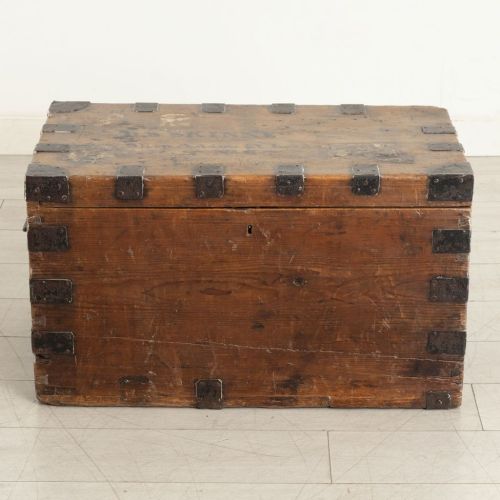
Rustic Blanket Box
A rustic blanket box is a sturdy wooden chest designed for storage, offering practical utility and period character to any interior.
Rustic Blanket Box
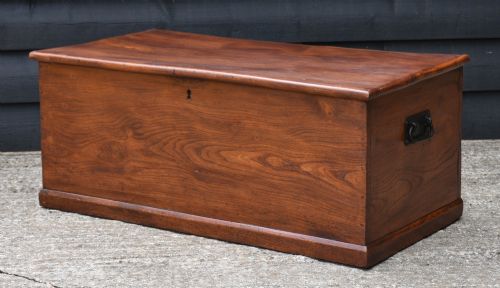
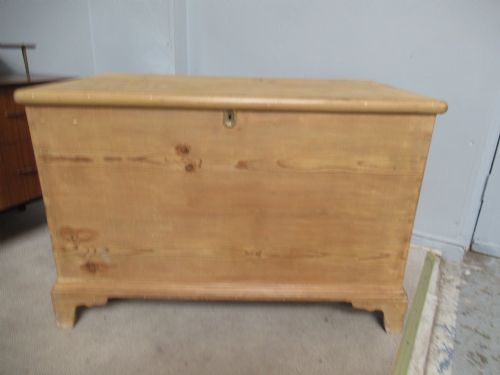
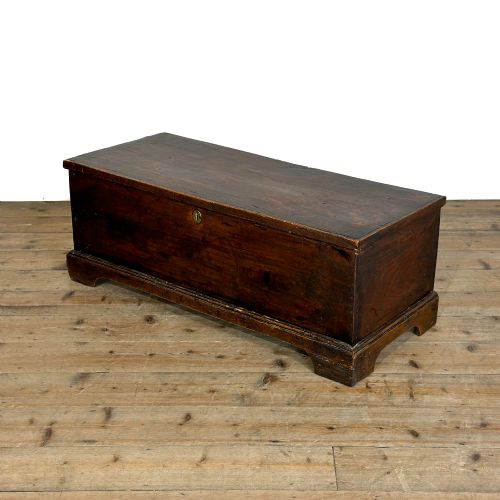
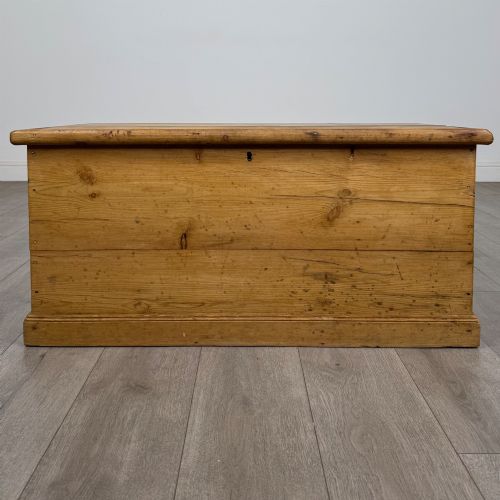
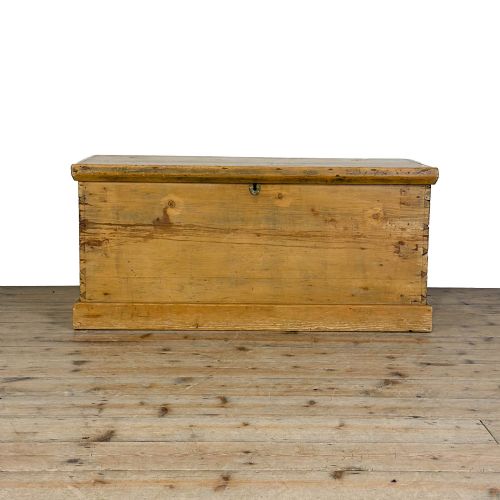
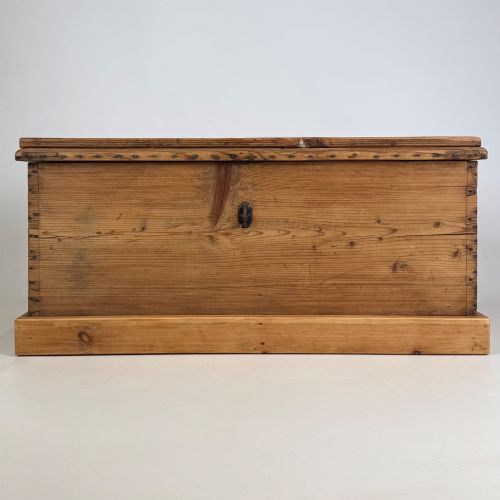
A rustic blanket box serves as a functional storage chest that bridges centuries of domestic history. When browsing this selection, the most common pieces encountered are pine blanket boxes dating from the Victorian period or the nineteenth century.
Origins stretch across British workshops into continental Europe, Scandinavia, and further afield, reflecting diverse regional construction methods. Each piece fulfils the traditional requirement of holding textiles while displaying the varied patination of genuine age.
Materials and construction methods
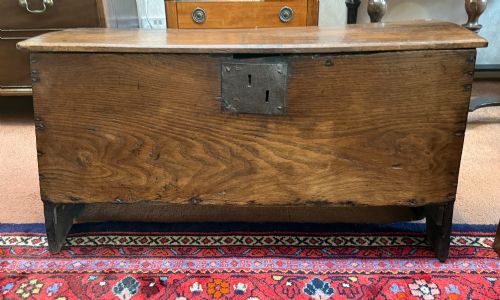
Makers relied primarily on native timbers such as pine, oak, and elm, selecting each wood for its local availability and structural resilience. Boards were joined using traditional methods like dovetailing, pegged mortise and tenon joints, or simple board-and-plank construction.
Iron and brass hardware played a vital structural and decorative role, featuring hand-forged strapwork, hinges, and corner brackets that reinforced the heavy lids and sides. Some surfaces received coats of paint or remained stripped to expose the natural grain and texture of the timber.
Listings feature woods spanning pine, oak, elm, teak, and pitch pine, shaped into coffers, mule chests, and travel trunks across multiple centuries.
Distinguishing quality and character
Quality rests in the integrity of the original construction, the thickness of the timber, and the survival of period hinges, locks, and internal till compartments. Finer examples display meticulous joinery, thoughtful proportions, and harmonious integration of iron strapwork.
The depth of patination on the wood surface distinguishes pieces that have aged naturally through domestic use from those with overworked finishes. Original paint or untouched waxed surfaces hold greater interest than modern alterations.
The Rustic Blanket Box Glossary
- Mule chest
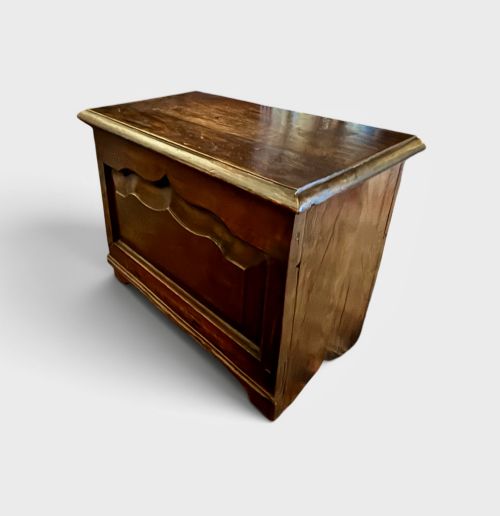
- A storage chest featuring one or more drawers beneath the main lift-top compartment, combining the functions of a coffer and a chest of drawers.
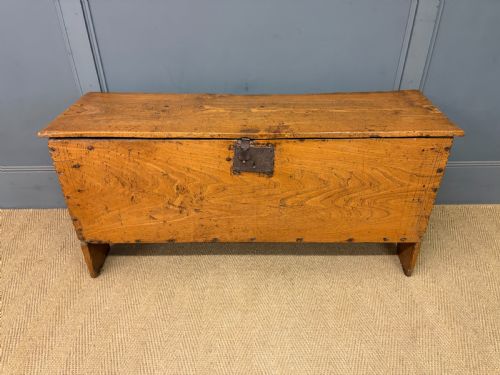
- Six-plank coffer
- A primitive box constructed from six separate boards joined edge-to-edge at the corners, representing an early and straightforward form of chest making.
- Strapwork
- Ornamental metal bands, typically of iron or brass, fixed across the exterior of a chest to reinforce the joints and add visual decoration.
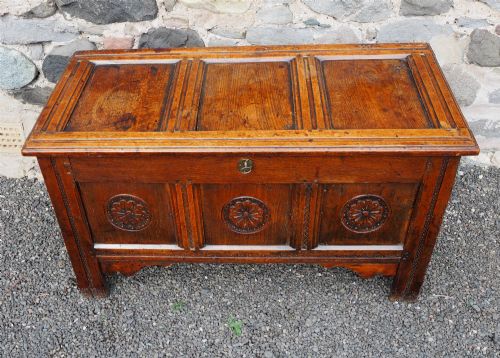
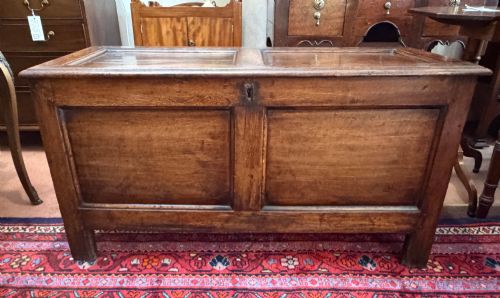
- Panelling
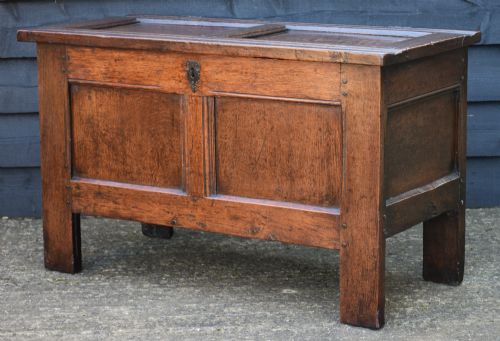
- Framework composed of vertical stiles and horizontal rails fitted with inset wooden panels, commonly seen on seventeenth- and eighteenth-century oak coffers.
- Patina
- The surface sheen and colour developed on wood and metal over decades of handling, exposure to light, and polishing.
Rustic Blanket Box: Frequently Asked Questions
What is the difference between a coffer and a blanket box?
A coffer traditionally refers to a heavy, often panelled wooden chest used for storing valuables or documents, typically dating from the seventeenth or eighteenth centuries.
Blanket boxes generally describe simpler, lift-top storage chests designed specifically for bedding and textiles, frequently made from pine during the Victorian era.
How do I date an antique wooden chest?
Dating relies on examining the construction marks, tool types used on the timber, hinge styles, and the specific joinery methods visible inside and out.
Older pieces from the seventeenth and early eighteenth centuries feature hand- cleft boards and pegged joints, whereas later nineteenth-century examples show more uniform machine-sawn timber and simpler fixings.
Can I use a rustic blanket box as a coffee table?
These sturdy chests function well as coffee tables in modern living spaces, providing both a stable surface and hidden storage for household items.
When using one this way, ensure the lid remains secure and consider placing felt pads beneath objects to protect the historic surface of the wood.
What woods were commonly used for these chests?
Pine appears most frequently, especially in Victorian and provincial European examples, offering a lighter grain that often accepted paint or stripped back cleanly.
Hardwoods like oak and elm dominate earlier pieces from the seventeenth and eighteenth centuries, chosen for their immense strength and durability.