

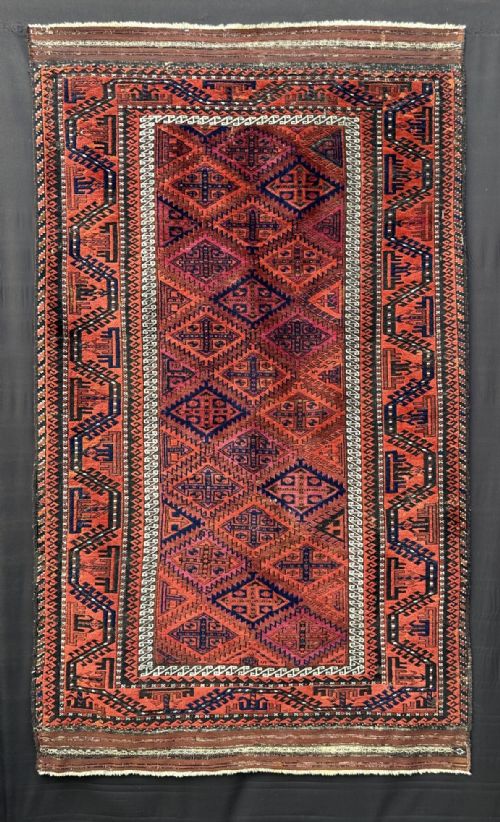
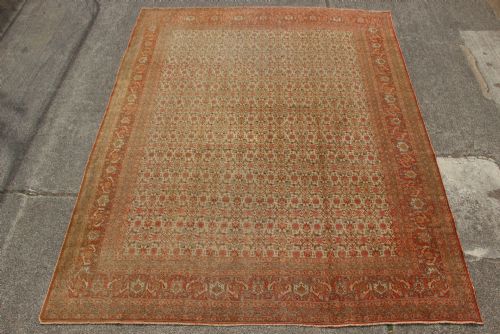
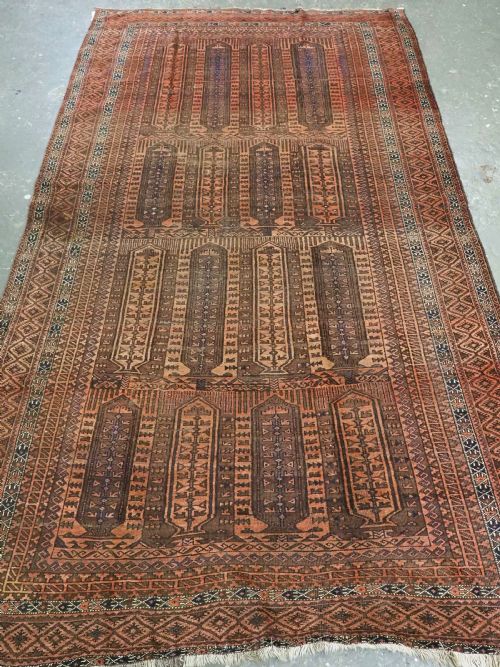
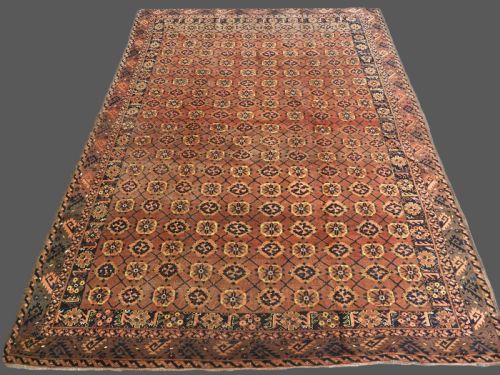



Rust Wool Persian Rug
When you search for a rust wool persian rug, you encounter hand-knotted village and city carpets woven across Persia and neighbouring regions.
Rust Wool Persian Rug
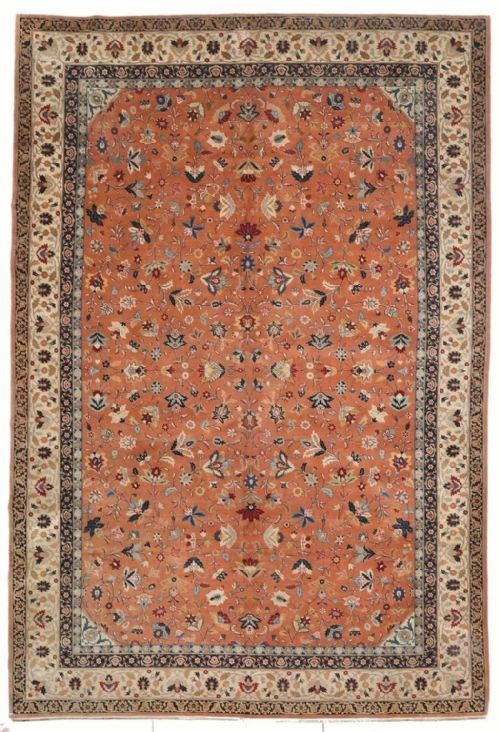
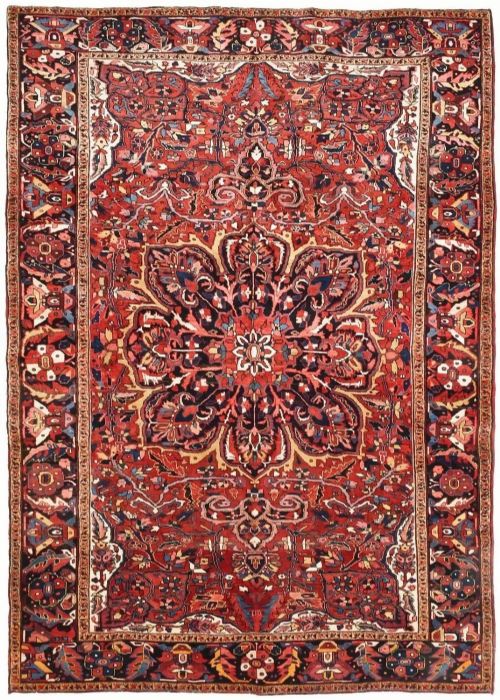
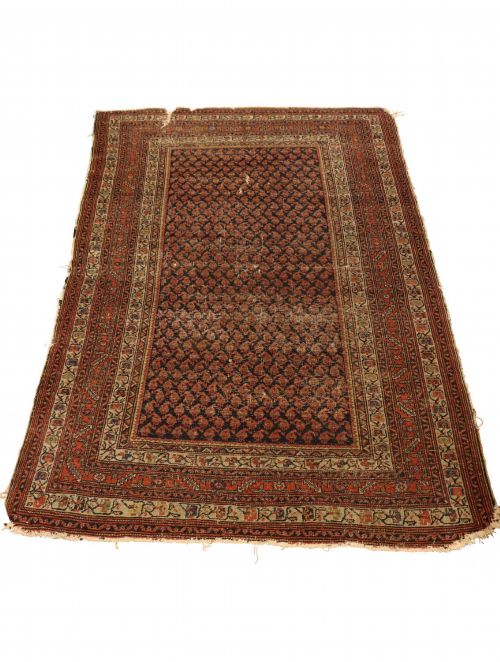
A rust wool persian rug brings together traditional oriental, tribal, and city designs spanning the mid-nineteenth century through to the early decades of the twentieth century. These pieces encompass large country house carpets, room-sized area rugs, long runners, and smaller village weaves.
The selections encountered here range from geometric Heriz and Serabi carpets to curvilinear Tabriz and Khorasan floor coverings. Buyers will frequently find specific regional styles such as Baluch, Afshar, and Bakshaish alongside classic Persian formats.
Makers and weavers utilised traditional formats including all-over boteh patterns, calyx lattices, and large medallion layouts. The predominant colour base relies on rich rust tones created through natural dyeing processes.
Materials and construction methods
These floor coverings are constructed primarily from hand-spun wool piles set onto cotton or wool foundation warps and wefts. Certain tribal pieces also incorporate goat hair within the outer bindings or selvedges for added durability.
Weavers employed hand-knotting techniques to build dense piles, securing the rows with sturdy horizontal or vertical looms. Natural dyes derived from plants and insects provide the characteristic rust backgrounds and contrasting accent shades.
Rust Wool Persian Rug Retail Price Guide 2026
Typical asking prices for rust wool persian rug among the pieces listed under this phrase on Sellingantiques today, from the lower quarter to the upper quarter. They describe what is for sale here now, not the wider market.
The listings show pieces originating from traditional weaving regions including Heriz, Tabriz, Khorasan, and regions worked by Afghan and Baluch tribes.
Evaluating quality and execution
Quality in these textiles rests upon the density of the hand-knotting and the fineness of the wool used in the pile. Tighter knots allow for sharper definition in intricate medallion and lattice designs.
The depth and consistency of the natural dye palette also determine the standing of a piece. Subtle tonal variations within the rust ground indicate superior dyeing skill rather than uniform machine processing.
The Rust Wool Persian Rug Glossary
- Boteh
- A stylised almond or pear-shaped motif common in oriental carpets. This ancient symbol often appears in repeating rows across the field.
- Warp
- The vertical foundation threads stretched tightly on the loom before knotting begins. Weft threads pass horizontally between these structural elements.
- Selvedge
- The reinforced outer edge of a rug that protects the sides from fraying. Tribal weavers often wrap these borders using goat hair.
- Natural Dyes
- Colourants extracted from plants, roots, and insects prior to the invention of synthetic alternatives. These substances yield stable tones that age with rich patination.
Rust Wool Persian Rug: Frequently Asked Questions
How do I date an older wool carpet?
Dating relies upon structural analysis, stylistic conventions, and the specific type of natural dyes present in the wool. Examining the weave density and foundation materials helps narrow down the period of production.
Comparative study against documented village and city formats provides further context for placing a piece within the nineteenth or early twentieth century.
Where were these carpets originally woven?
Production took place across diverse workshops, towns, and tribal encampments throughout Persia and surrounding regions. Major centres included Heriz, Tabriz, and Khorasan, alongside nomadic groups operating in border territories.
Each region developed distinct structural characteristics and design vocabularies that distinguish urban workshop pieces from nomadic tribal rugs.
How should I care for a vintage wool rug?
Routine maintenance requires gentle vacuuming without rotating brush heads to protect the fragile hand-knotted pile. Professional cleaning suited to antique textiles preserves the integrity of natural dye wool.
Placing the rug away from direct, harsh sunlight prevents fading of the rust background and secondary accent colours.
What is the difference between city and tribal rugs?
City carpets usually feature symmetrical, highly detailed curvilinear designs woven on fixed vertical looms by professional artisans. Tribal rugs display geometric, memory-driven patterns woven on portable horizontal looms by nomadic groups.
Materials also differ slightly, with rural and tribal pieces frequently incorporating coarser wools and occasional goat hair reinforcements.