


Russet Ceramic Spaniels
Russet ceramic spaniels are the quintessential Victorian mantel ornament, bringing a charming domestic presence to any hearth.
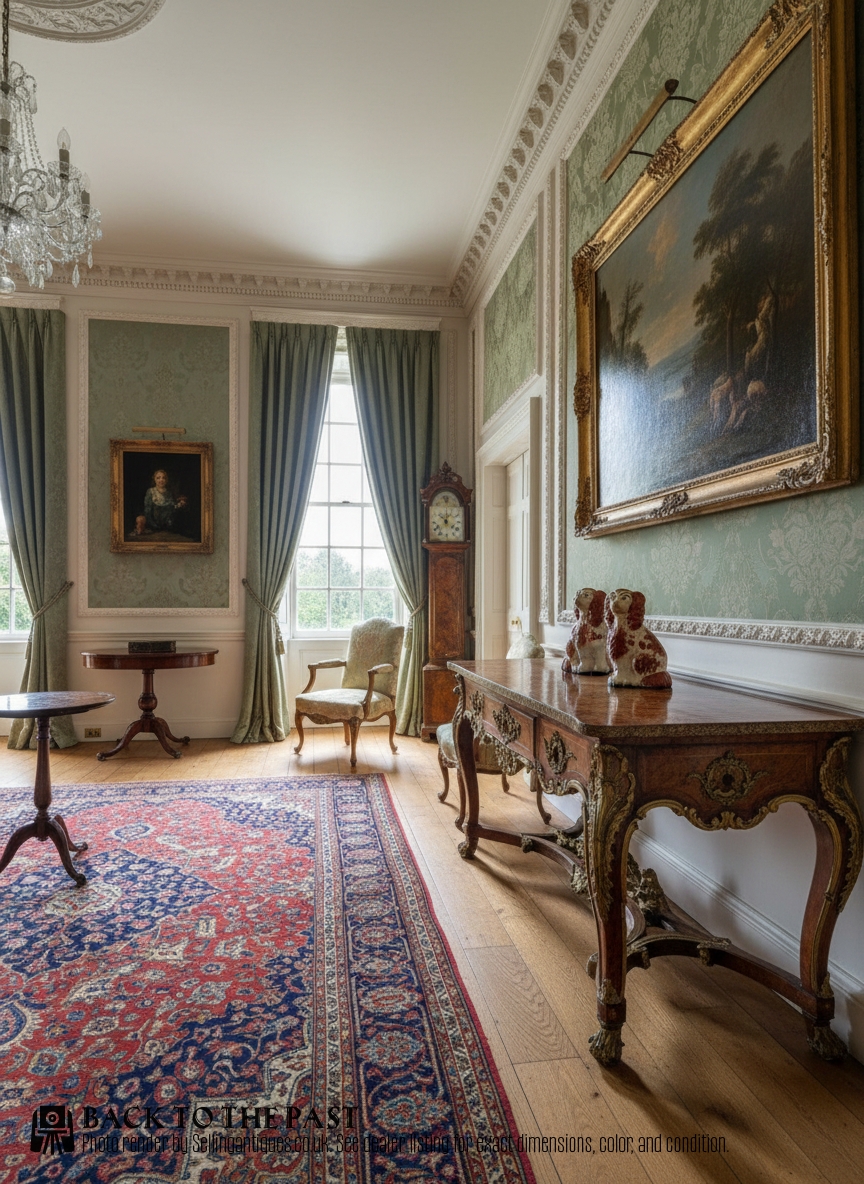
Russet Ceramic Spaniels
When you search for russet ceramic spaniels, you encounter decorative figurines modelled as seated dogs, commonly known as Staffordshire dogs or comforter spaniels. These figures predominantly date from the Victorian period, appearing frequently in pairs with characteristic red and white markings.
The selections span various decades of the nineteenth century, including specific production years around eighteen sixty, eighteen seventy, eighteen eighty, and eighteen ninety. Forms range from simple decorative figures to more complex clock groups.
How they were made
Certain later nineteenth-century examples incorporated distinct elements such as glass eyes to add realism to the moulded ceramic bodies.
Some nineteenth-century spaniels peer out with inserted glass eyes, bringing an unexpectedly lively gaze to the mantelpiece.
What varies in quality
Quality separates pairs with crisp modelling and careful hand-painting from simpler mass-produced variants. The precision of the enamel work and the richness of the lead glaze dictate the visual appeal of each figurine.
Larger scale and the presence of original glass eyes distinguish superior examples from standard decorative pottery figures of the era.
The Russet Ceramic Spaniels Glossary
- Comforter spaniel
- A Victorian ceramic dog figure traditionally placed on fireplace mantels. These ornaments gained popularity across nineteenth-century British households.
- Earthenware
- A porous pottery body fired at lower temperatures, standard for nineteenth-century Staffordshire figures. It required a lead glaze to achieve a waterproof and glossy finish.
- Lead glaze
- A shiny coating applied to pottery before firing. It creates the characteristic luminous surface seen on Victorian figures.
- Staffordshire pottery
- Ceramic wares produced in the industrial pottery towns of Staffordshire. This region dominated the manufacture of nineteenth-century decorative figurines.
Russet Ceramic Spaniels: Frequently Asked Questions
What are Staffordshire spaniels?
Staffordshire spaniels are ceramic figurines modelled after the popular pets of the nineteenth century. Potters produced them in matched pairs to sit on either side of a fireplace mantel.
These decorative objects served as a staple of Victorian domestic interior decoration, often referred to as comforter spaniels by contemporaries.
How old are these ceramic dogs?
The pieces available date from the nineteenth century, with specific examples spanning the decades between eighteen forty-five and eighteen ninety. Most belong firmly to the Victorian era.
Manufacturing methods and materials such as lead glaze and earthenware help confirm their nineteenth-century origins.
Were they always made in pairs?
Makers typically produced these ceramic spaniels in mirrored pairs designed to face one another from opposite ends of a mantelpiece. This balanced arrangement suited Victorian interior aesthetics.
Individual figures occasionally appear, though pairs remain the standard format for mantel display.