

Rural Landscape Painting
Rural landscape painting captures the quiet rhythm of fields, cottages, and country paths through the eyes of artists spanning centuries.
Rural Landscape Painting
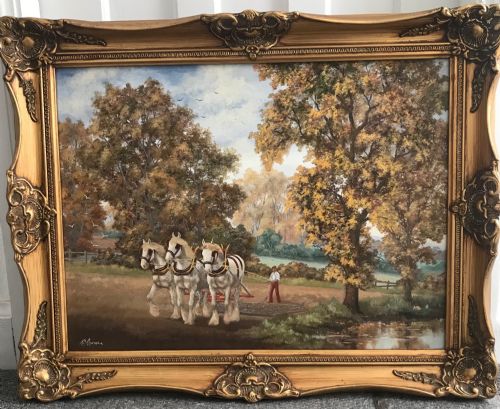
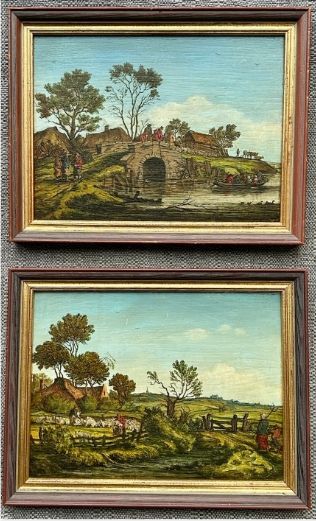
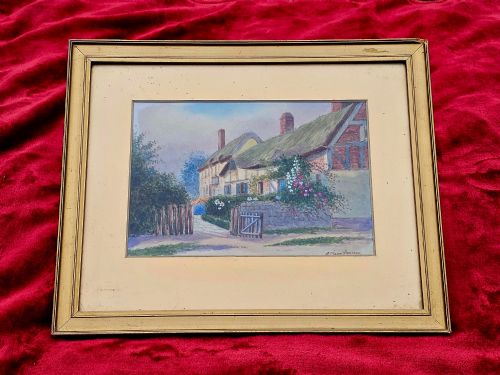
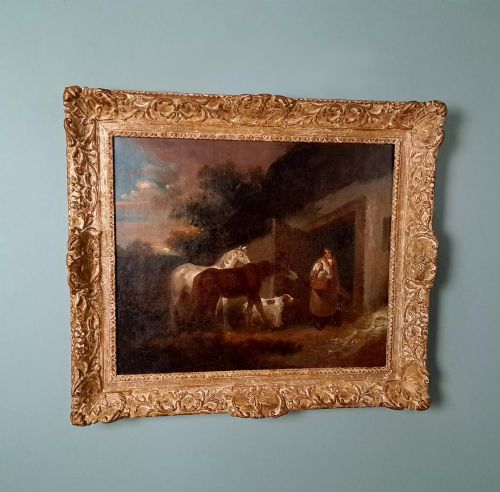
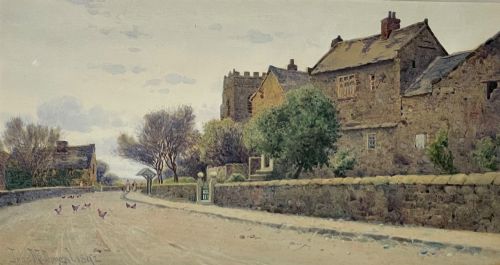
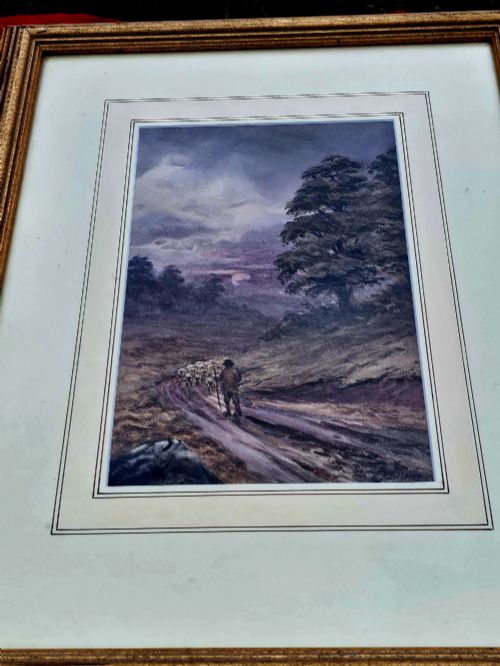
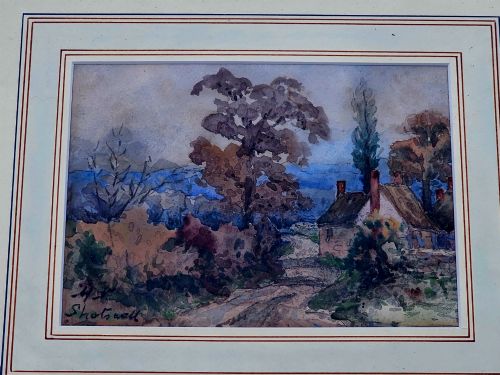
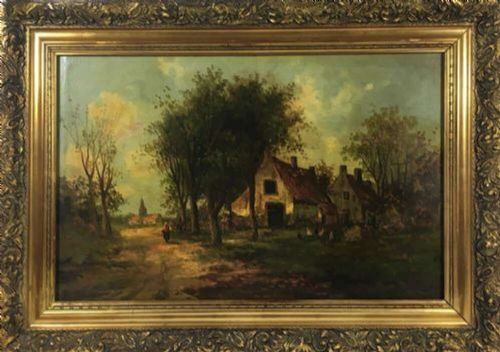
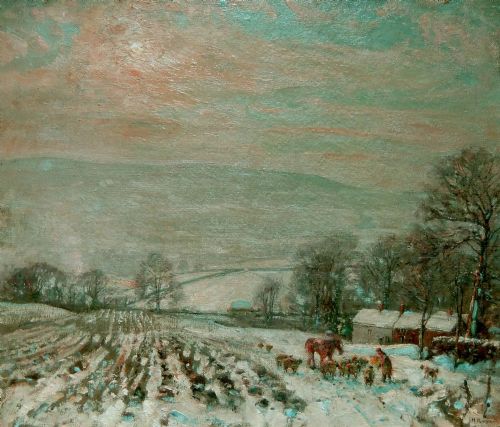
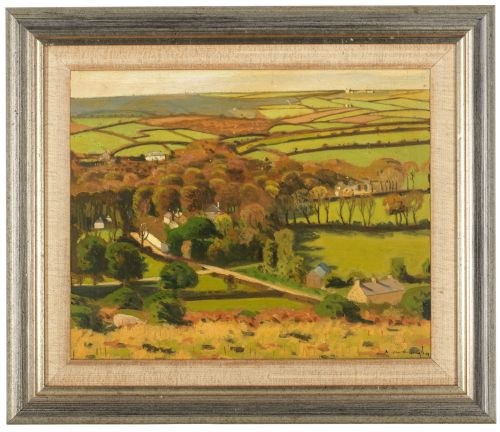
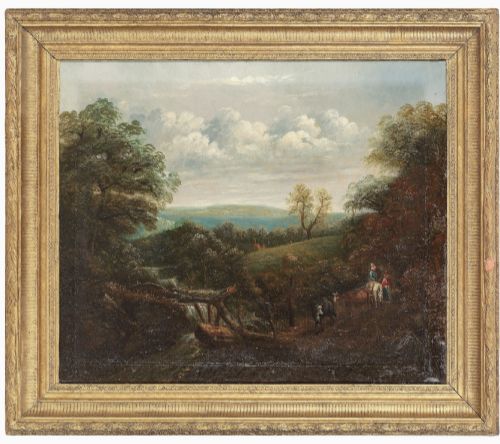
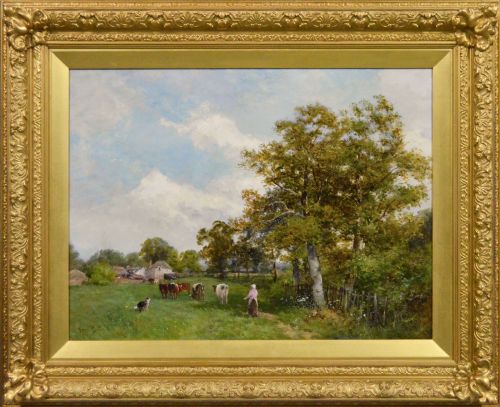
A rural landscape painting portrays scenes of country life, agricultural fields, farmsteads, and natural vistas across various European and British regions. These artworks frequently incorporate figures working the land, herding livestock, or travelling along quiet paths.
The pieces available stem primarily from the nineteenth and early twentieth centuries, encompassing Victorian, Edwardian, and post-impressionist movements. Common formats range from intimate watercolours on paper to substantial oil paintings on canvas, board, and wood panels.
Makers and regional schools represented include the Norwich School, the Barbizon School, and various British and continental artists working in traditional or impressionist modes. Buyers will encounter both signed compositions by listed painters and works attributed to regional schools.
How They Were Made
Artists utilised oil paint and watercolour as primary mediums, applying pigment to stretched canvas, wooden panels, heavy paper, card, or board. Oil formulations allowed for rich texture and depth, particularly when built up in layers or applied with confident brushstrokes.
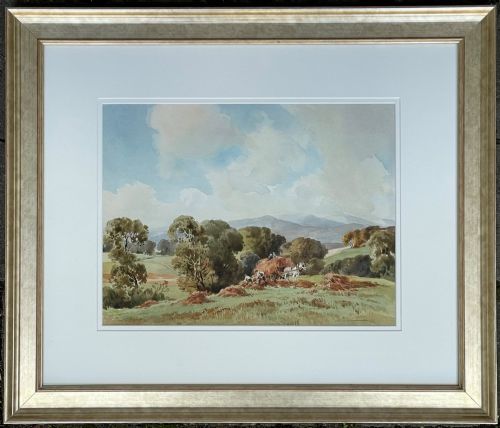
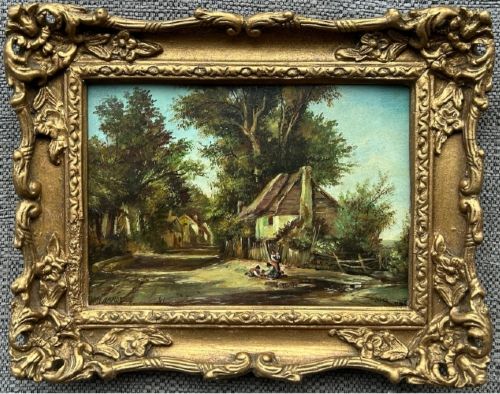
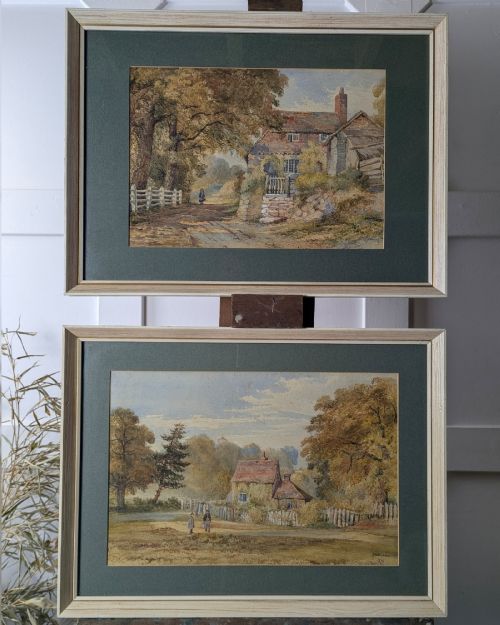
Watercolour works relied on washes and fine detailing on paper to capture the changing light of rural skies and waterways. Finished paintings were commonly housed in period wooden frames, occasionally embellished with gilt decoration to complement the artwork.
Rural Landscape Painting Retail Price Guide 2026
Typical asking prices for rural landscape painting among the pieces listed under this phrase on Sellingantiques today, from the lower quarter to the upper quarter. They describe what is for sale here now, not the wider market.
Listings feature oil paintings and watercolours on wood panels, canvas, card, and paper, created across the nineteenth and early twentieth centuries.
What Varies In Quality
The distinction between standard works and finer examples lies in the artist's handling of light, atmospheric perspective, and compositional balance. Superior paintings demonstrate a nuanced understanding of tone and colour, capturing movement and texture within foliage, water, and fabric.
The preservation of the original surface and the quality of the supporting panel or canvas significantly influence the standing of a piece. Works retaining their original period framing and bearing clear signatures by established artists command greater interest from collectors.
George Graham·Percy Lancaster·William Howard Hardy·William Joseph Shayer Senior·John McDougal·Herbert Royle·Robert Morson Hughes·David Bates·Robert John Hammond·Charles Houben·Walter Heath Williams·John Horace Hooper·Raymond Booth·Frederick Walker·Eric Brown·Ernest Higgins Rigg·George Oyston·Frederick James Kerr·Umberto Volpato·William Greaves·Miles Birkett Foster·Herman S Melville·George Morland
The Rural Landscape Painting Glossary
- Oil on Canvas
- Pigment mixed with drying oil applied to a woven fabric surface stretched over a wooden frame. This medium allowed artists to achieve rich colours and rework areas during the painting process.
- Watercolour
- A paint consisting of pigment suspended in a water-soluble vehicle, typically applied to paper. It yields translucent washes that capture luminous effects in outdoor scenes.
- Wood Panel
- A solid wooden board utilised as a rigid support for oil painting before canvas became standard. Panels provide a smooth, stable ground for meticulous brushwork.
- Barbizon School
- A nineteenth-century French art movement dedicated to naturalistic landscape painting. Artists associated with this group worked directly from nature, focusing on rural farmyards and forests.
- Gilt Wood
- Timber framing or decorative elements coated with a thin layer of gold leaf or metallic gilt. These ornate surrounds were designed to enhance the visual impact of period artworks.
Rural Landscape Painting: Frequently Asked Questions
What periods do these paintings date from?
The selection primarily covers the nineteenth and early twentieth centuries, spanning Victorian, Edwardian, and post-impressionist eras. Many pieces reflect regional schools of painting active during these decades.
Dates range from late eighteenth-century works up to the 1930s and 1950s, capturing shifting artistic approaches to the British and European countryside.
How should I care for a canvas painting?
Keep paintings away from direct sunlight, high humidity, and rapid temperature fluctuations to prevent cracking or warping of the canvas and wood.
Dust the surface gently with a soft, dry brush and avoid using chemical cleaners or water on the painted area.
Are watercolours framed differently than oils?
Watercolour paintings on paper require glass protection and acid-free mounts to shield the delicate pigments from atmospheric moisture and fading.
Oil paintings on canvas or panel are typically displayed unglazed, allowing the textured paint surface to remain visible.
What subjects feature in rural landscapes?
Common subjects include agricultural workers harvesting crops, shepherds herding sheep, horse-drawn ploughs, and figures outside thatched cottages.
Artists also frequently depicted rivers, mills, country tracks, and wooded farmsteads under varying seasonal conditions.