
Rural Country Artwork
Rural country artwork captures agrarian life and open fields through oils and watercolours spanning the Victorian era to the mid twentieth century.
Rural Country Artwork
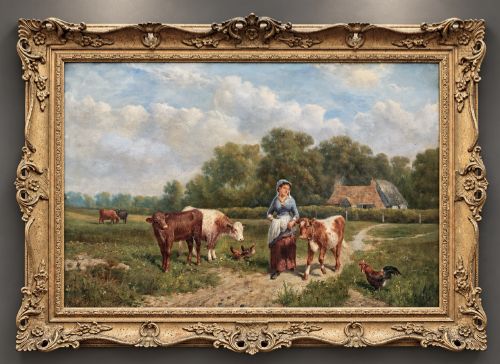
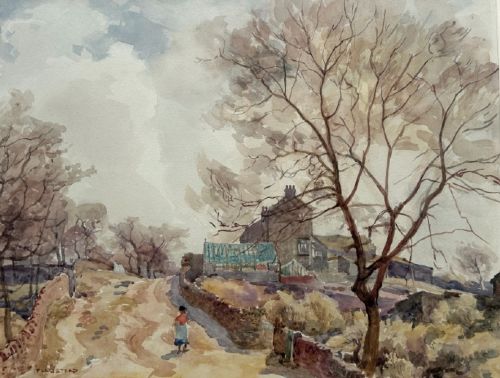
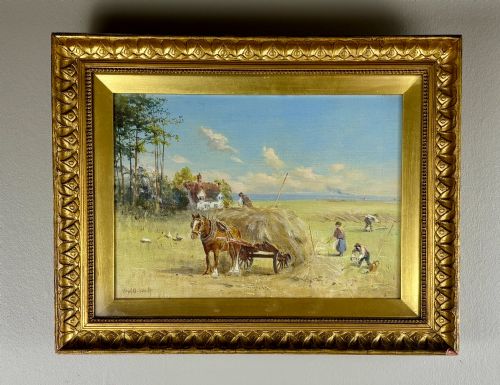
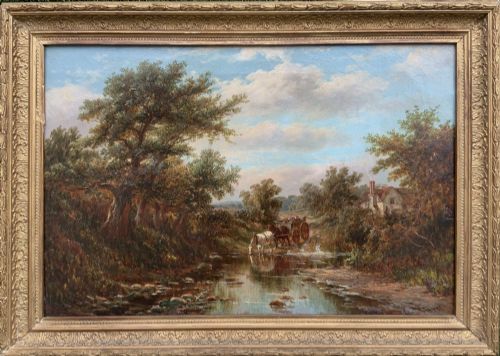
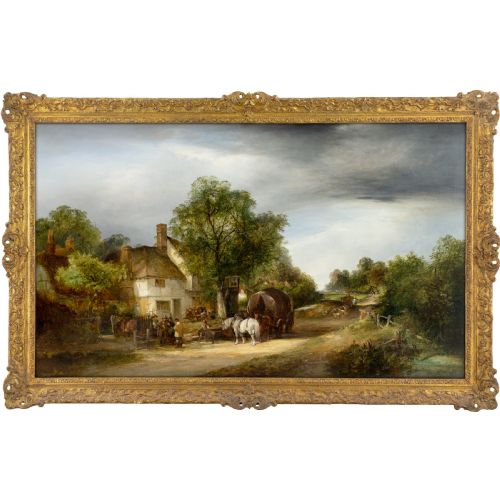
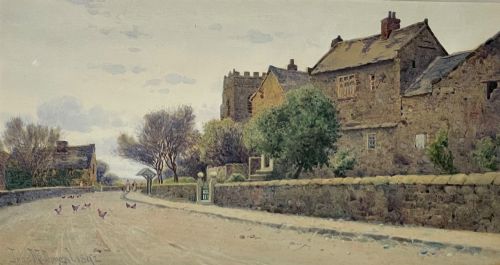
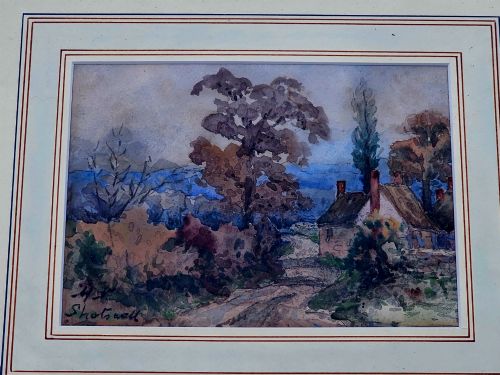
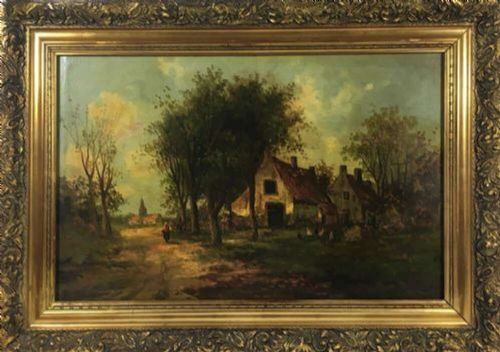
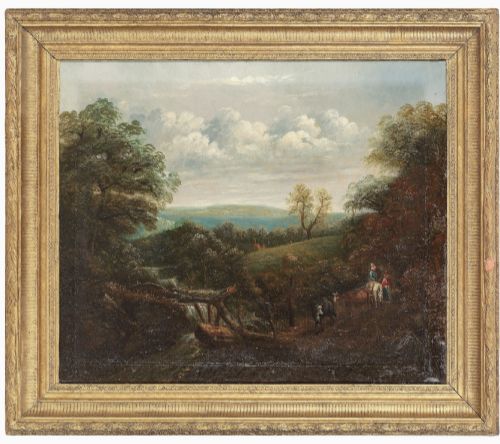
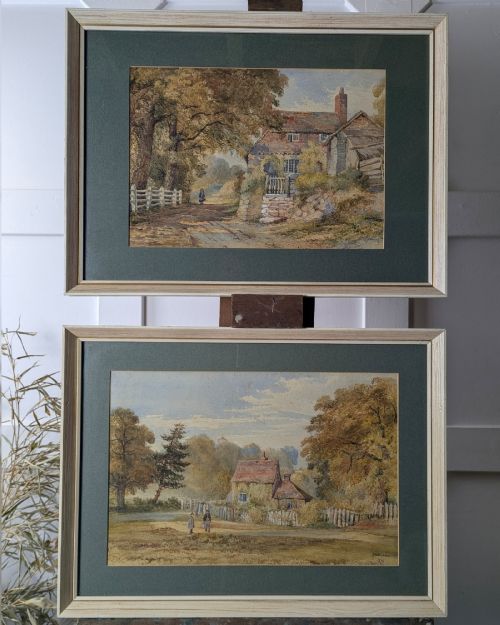
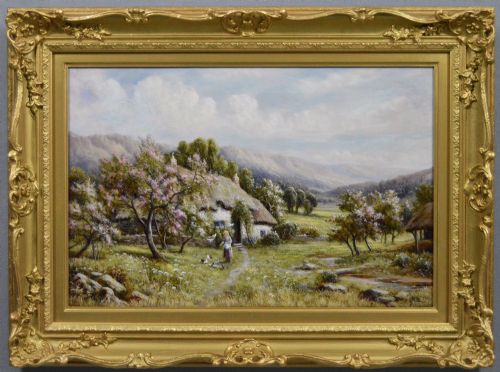
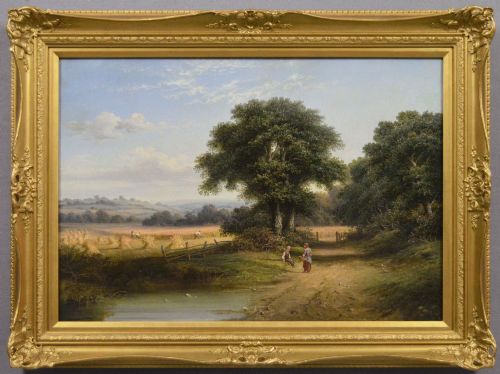
Buyers seeking rural country artwork encounter framed paintings, watercolours and etchings depicting farmyards, harvest fields, shire horses and thatched cottages. The subjects focus on traditional rural life, capturing labourers, livestock and pastoral views across Britain and France.
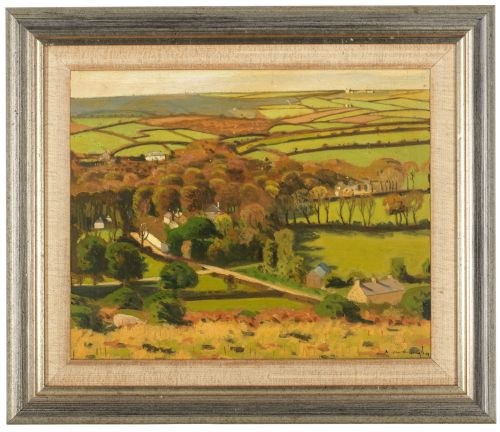
The selection ranges from nineteenth century landscapes by regional art schools to early twentieth century watercolours and British Impressionist canvases. Pieces frequently portray specific local settings, from Cornish coastlines to Yorkshire farmyards and Sussex villages.
Most examples date from the Victorian period through to the nineteen thirties, executed by named artists and regional practitioners. They offer a direct window into historical agrarian routines, rendered in media typical of their respective decades.
Materials and methods
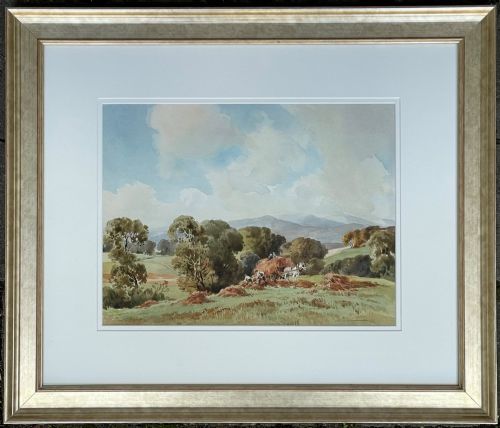
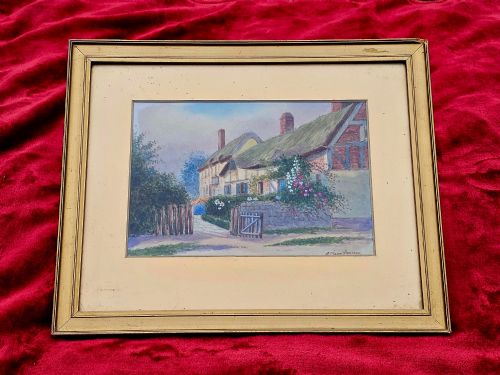
Painters utilised oil paint on canvas, wooden panel, card or board for durable compositions with rich pigment layers. Watercolours on paper offered a lighter medium, often finished with delicate pencil work to define figures, cottages and foliage.
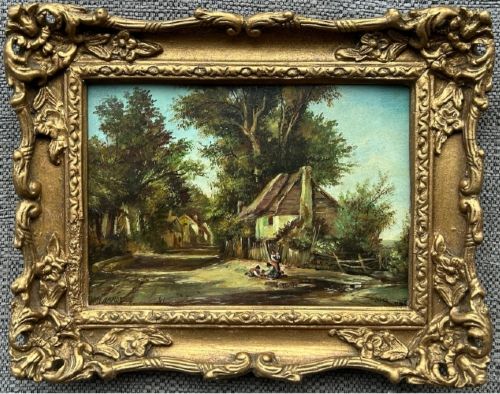
Frames typically consist of gilt wood or moulded timber, many retaining their original period mounts. Pigments were applied using traditional brushwork techniques, ranging from the smooth finish of academic landscapes to the looser, textured marks of impressionist schools.
Several canvases capture pigs and chickens demanding their midday meal with surprising enthusiasm.
Distinctions in quality
Quality rests upon the artist's ability to render light, atmosphere and anatomical accuracy in figures and livestock. Superior works display confident brushwork and balanced composition, whereas lesser examples rely on formulaic repetition without observational depth.
The handling of the medium distinguishes accomplished pieces, particularly in the subtle gradation of skies and the natural integration of human or animal subjects into the landscape. Original framing and clear provenance further elevate the standing of individual works.
Percy Lancaster·Robert Morson Hughes·Walter Heath Williams·Thomas Sidney Cooper·Ernest Higgins Rigg
The Rural Country Artwork Glossary
- Barbizon School
- A nineteenth century French movement dedicated to realistic landscape painting derived from direct observation of nature.
- Etchings
- Printmaking works created by using acid to cut into unprotected parts of a metal surface to hold ink.
- Genre painting
- The pictorial representation of scenes from everyday life, typically involving ordinary people engaged in common activities.
- Pastoral
- Works relating to the countryside, farm life and open landscapes, usually conveying a tranquil or idealized rural atmosphere.
- Provenance
- The documented history of ownership of a work of art, establishing its authenticity and origins.
Rural Country Artwork: Frequently Asked Questions
What subjects appear in these works?
The compositions focus primarily on agricultural scenes, farm animals, shire horses, harvest fields and country cottages. Figures of labourers, gypsies and villagers also feature prominently within regional British and French landscapes.
Artists drew inspiration from local topography, capturing specific views of Yorkshire, Cornwall, Sussex and the Isle of Man across different seasons.
How were these paintings displayed originally?
Most works were intended for domestic display within traditional homes, housed within gilt wood or dark timber frames suited to the interior aesthetics of the nineteenth and early twentieth centuries.
Many retain their original framing and period mounts, which complement the scale and palette of the individual oil or watercolour within.
How do I care for antique watercolours?
Watercolours on paper require protection from direct sunlight to prevent fading of the delicate pigments used by artists during the Victorian and Edwardian periods. Displaying them away from moisture and sources of excessive heat ensures the paper and mount remain stable.
Framing with conservation grade glass helps shield the artwork from ultraviolet light and environmental airborne pollutants.
How are the different periods distinguished?
Nineteenth century pieces often exhibit academic precision and detailed narrative elements, reflecting the traditions of regional art schools and Victorian pastoral painting. Works from the early twentieth century frequently incorporate looser brushwork influenced by British Impressionism.
Medium choices also shift across eras, moving from traditional oils on canvas towards varied supports like wooden board, card and fluid watercolour treatments.