


Royal Worcester Display Plate
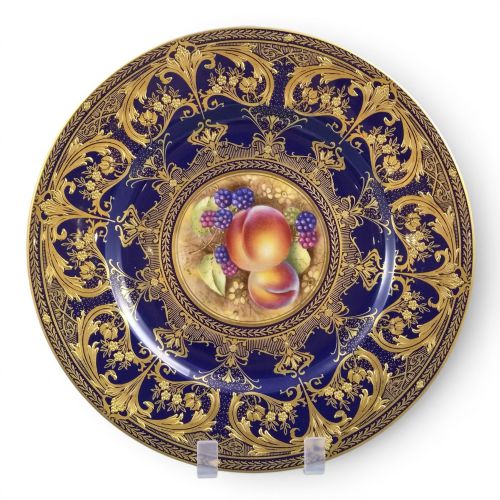
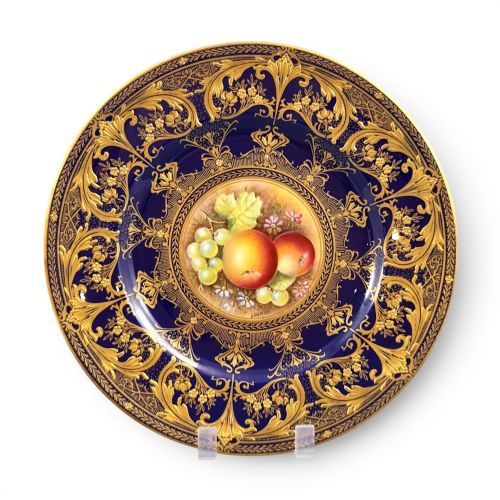
A royal worcester display plate brings hand-painted artistry into the home through exceptional porcelain and rich gilding.
Royal Worcester Display Plate
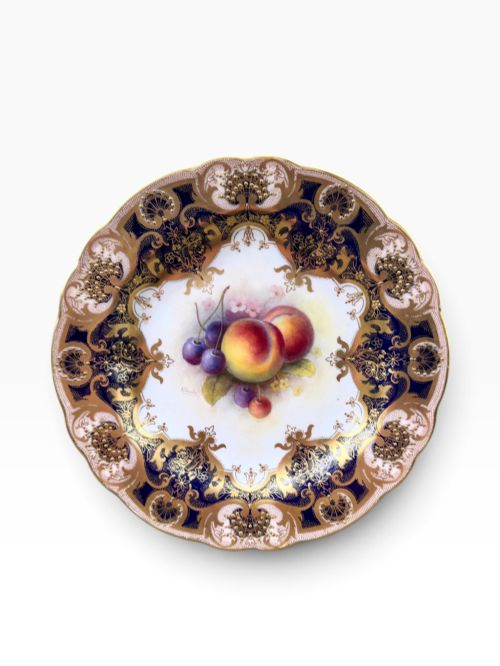
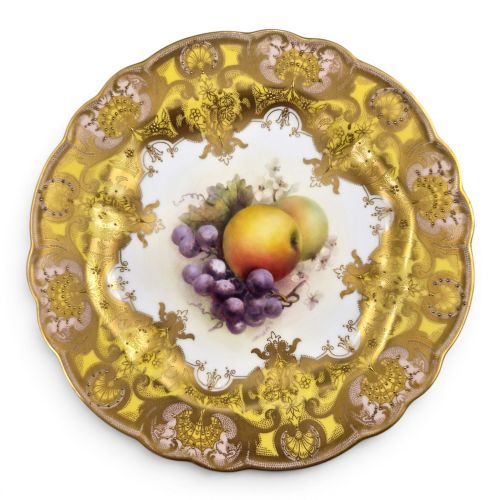
A royal worcester display plate is typically a decorative cabinet piece created for visual appreciation rather than daily dining. These plates span multiple eras, including Victorian, Edwardian, and mid-twentieth century designs.
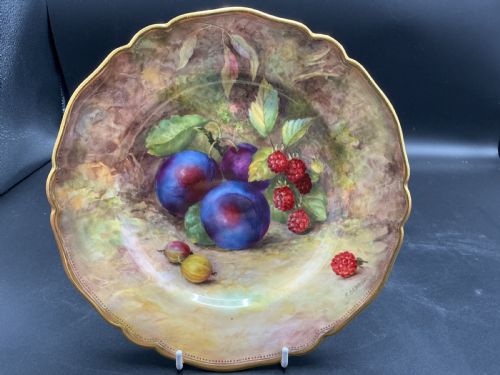
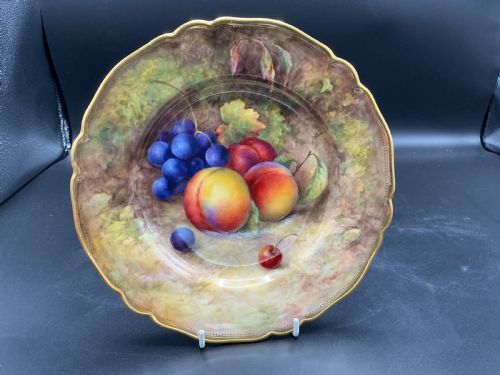
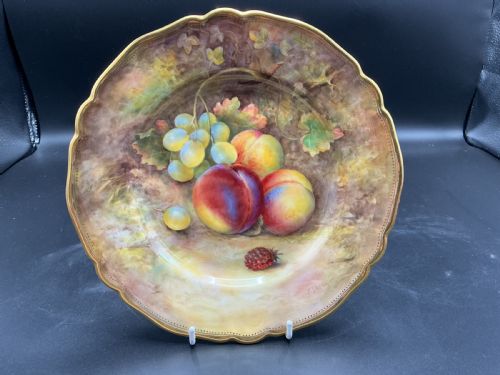
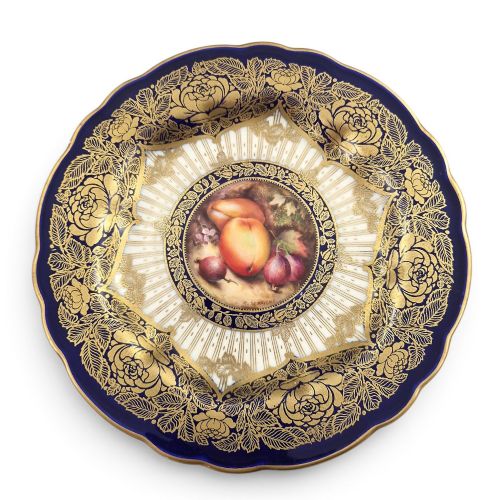
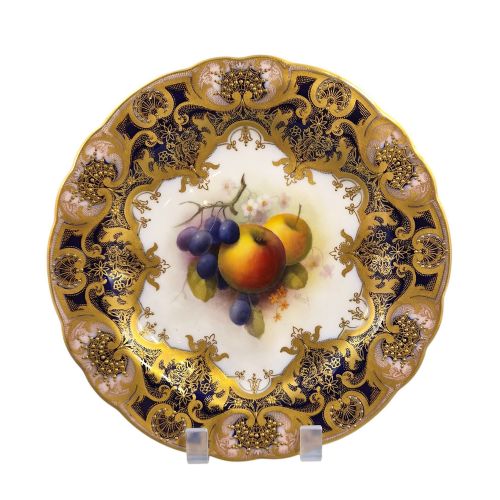
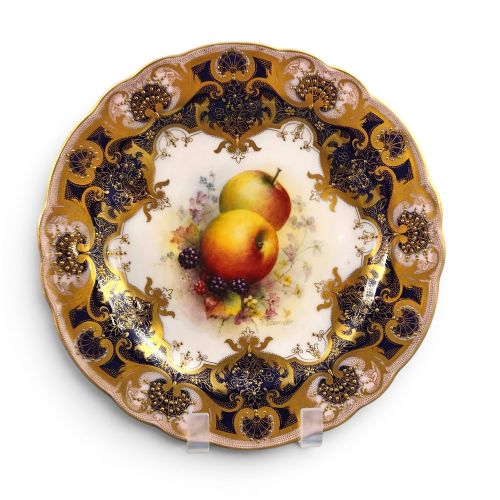
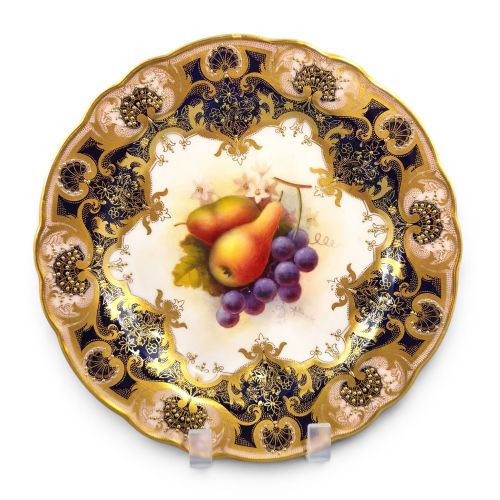
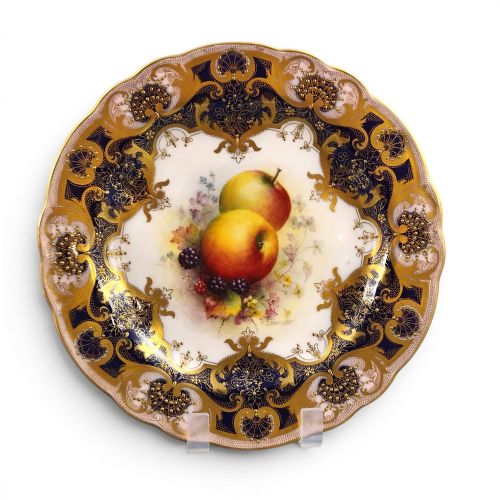
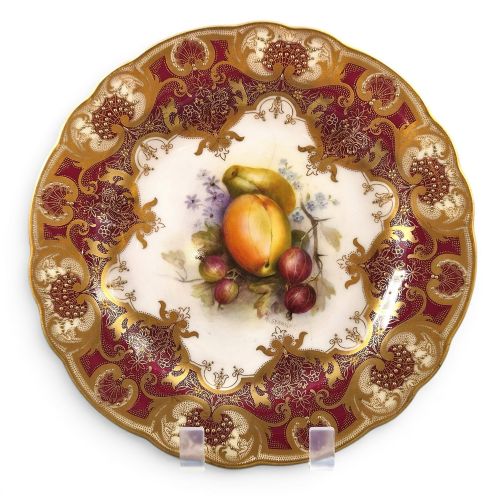
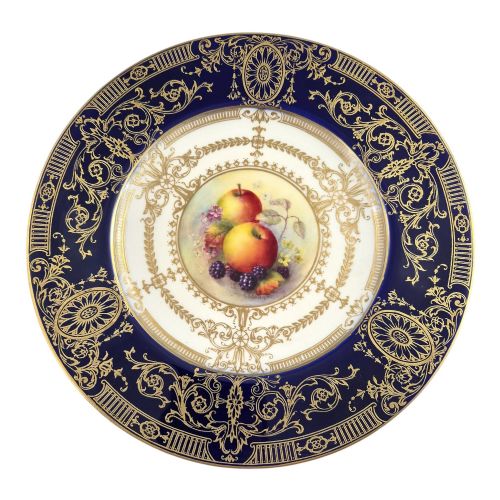
The most common versions encountered are hand-painted fruit cabinet plates signed by notable artists. Alongside fruit studies, buyers frequently find depictions of game birds, swans, and delicate florals.
Forms vary from standard circular cabinet plates to large rope-edge plates and pierced variations. Victorian dessert plates and silver-plated stands featuring porcelain inserts also appear within the selection.
How they were made
These pieces utilise fine porcelain and bone china as the primary base materials for the ceramic body. Artisans then apply detailed hand-painting using enamel and specialised ceramic pigments.
Gilding and gold leaf feature heavily across the borders and centres, often combined with tooled gilt work. Enamel accents are layered carefully to add texture and depth to the painted motifs.
Swans and game birds occasionally share cabinet space with luscious painted fruit.
What varies in quality
The standard of painting is the primary differentiator, with work by known artists commanding distinct attention. Finely detailed fruit studies, intricate game birds, and raised paste gilding elevate a piece.
The complexity of the edge design also influences the overall character. Simple rope-edge plates contrast with elaborately pierced borders and heavy cobalt grounds enriched with intricate tooling.
Albert Shuck·Richard Sebright·Brian Leaman·Kerr and Binns·C Baldwyn
The Royal Worcester Display Plate Glossary
- Cabinet plate
- A decorative ceramic plate intended for display in a cabinet rather than for practical table use. These often feature elaborate painted scenes and rich gilding.
- Gilding
- The application of gold leaf or gold paint to the surface of the porcelain. This technique highlights rims, handles, and borders.
- Enamel
- A glass-like substance fused to the porcelain surface through firing. It provides vibrant, durable colour for painted motifs.
- Pierced
- A technique where sections of the ceramic rim are cut out before firing to create an openwork pattern. This adds delicate visual texture to the plate.
Royal Worcester Display Plate: Frequently Asked Questions
How were display plates used historically?
These items were acquired by affluent households to showcase refined taste and artistic skill. They were arranged in glass-fronted cabinets or displayed on specialised stands.
Unlike everyday tableware, they remained protected from regular wear and tear. Their primary purpose was visual enjoyment in drawing rooms and reception spaces.
How do I display them safely?
Wall-mounted plate hangers or dedicated display stands provide secure support for porcelain pieces. Ensure any hardware used is properly sized to distribute the weight evenly.
Keep them away from direct sunlight and areas prone to heavy vibrations. Stable placement prevents accidental slips or falls.
How are different periods identified?
Backstamps printed or impressed on the underside of the ceramic provide primary clues for dating. Variations in factory marks correspond to specific operating decades.
Stylistic shifts, such as the transition from Victorian ornamentation to Edwardian and Art Deco aesthetics, also help determine the era of manufacture.
Are painted fruit plates rare?
Fruit studies painted by prominent studio artists represent a celebrated tradition within British ceramics. Their availability fluctuates based on surviving examples from specific decades.
Signed works by established decorators remain particularly sought after by collectors. Their detailed execution requires high levels of specialised skill.