


Royal Doulton Ladies
Royal Doulton ladies bring characterful porcelain figures into a room, capturing historical dress and narrative scenes from the early twentieth century.
Royal Doulton Ladies
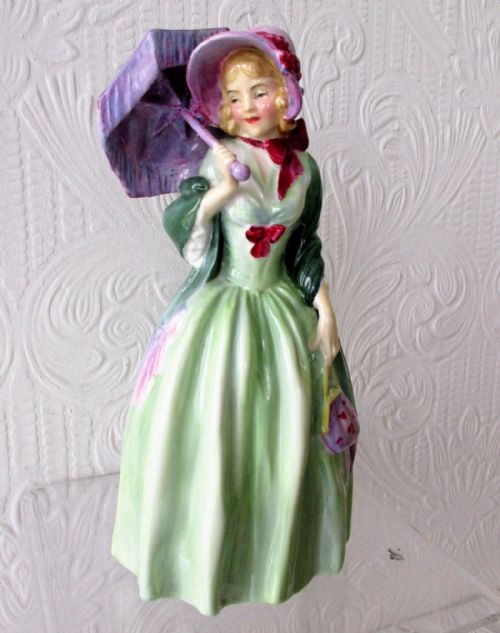
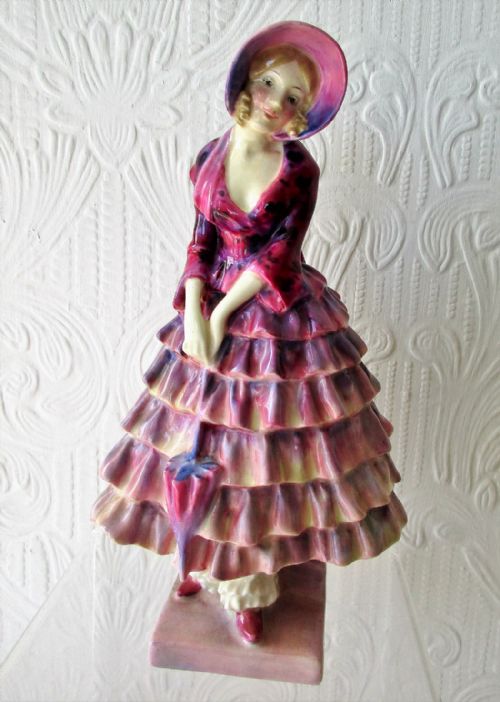
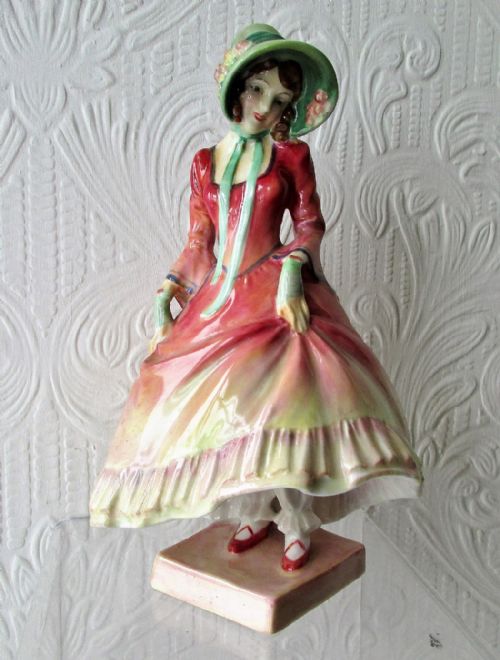
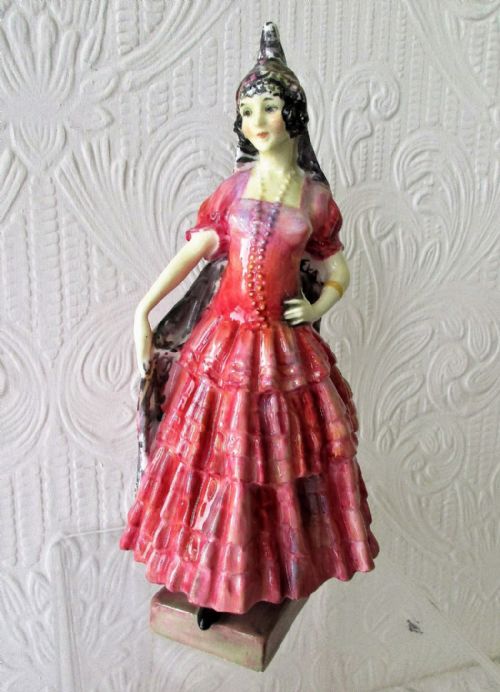
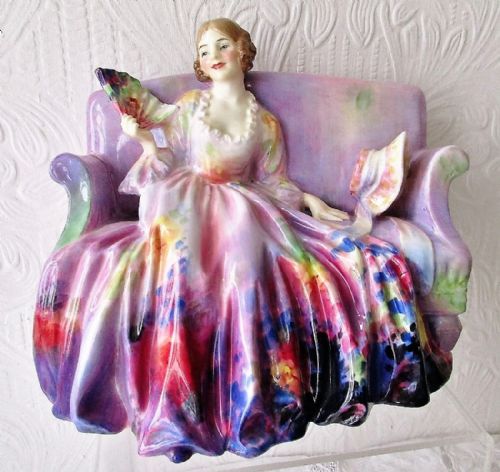
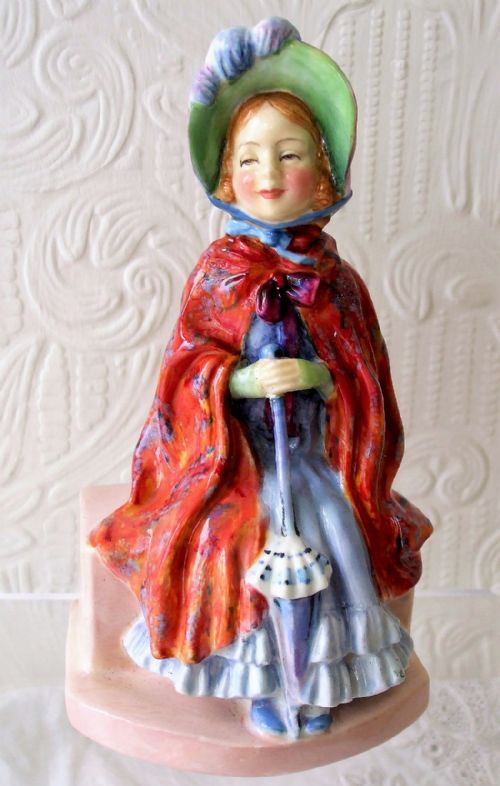
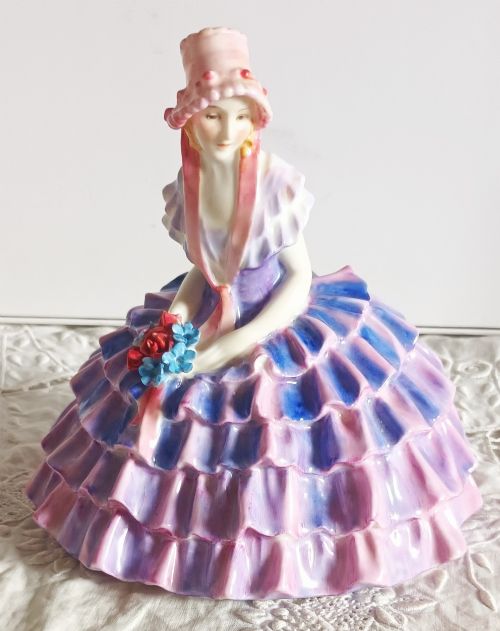
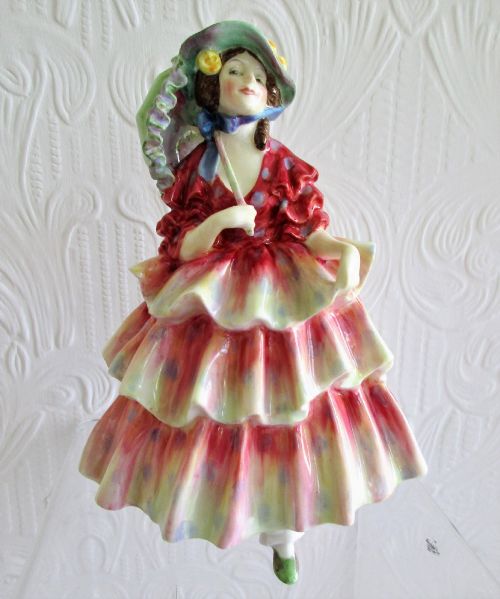
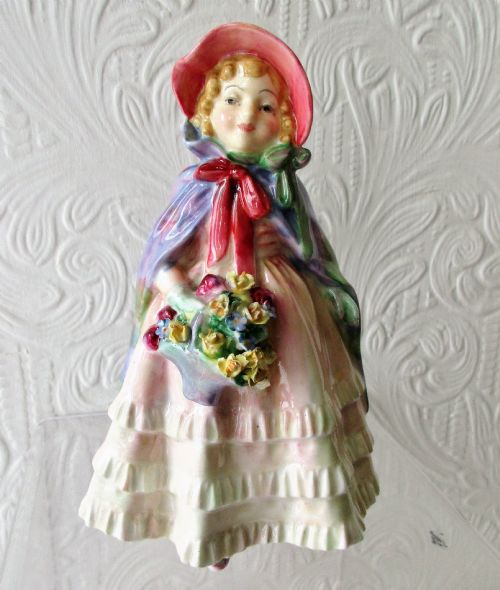
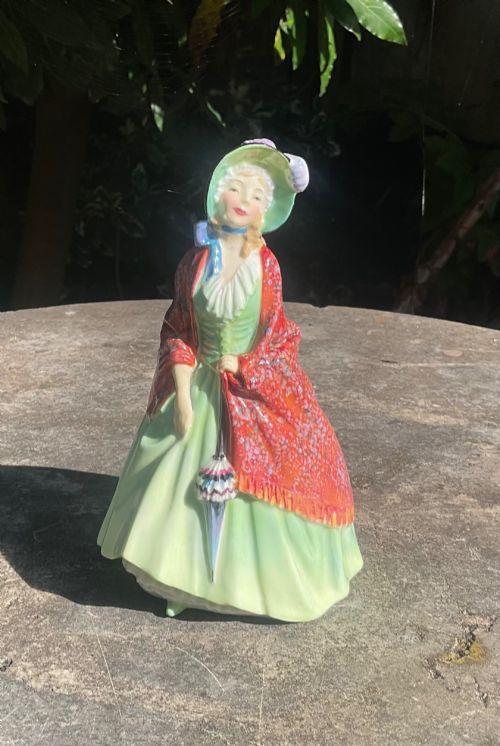
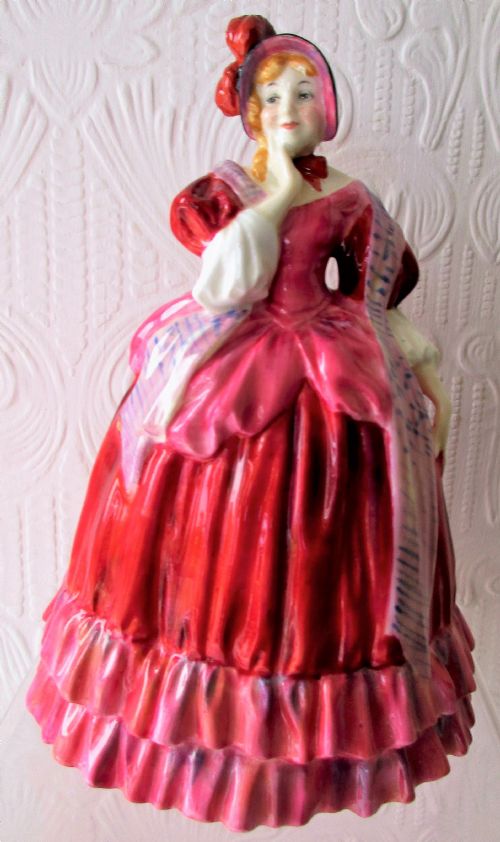
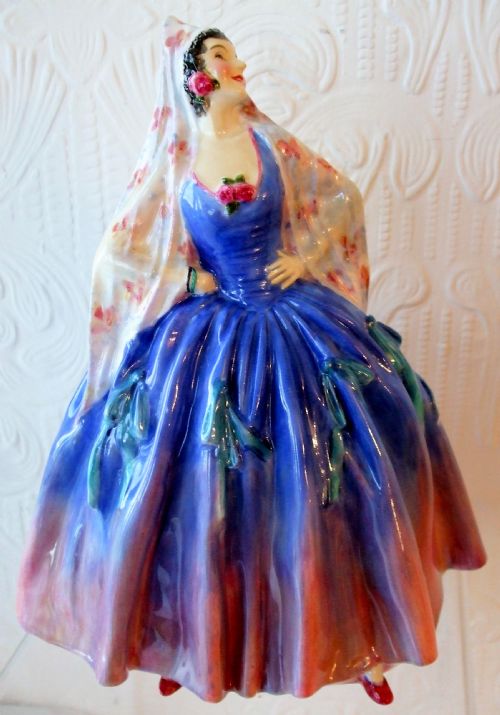
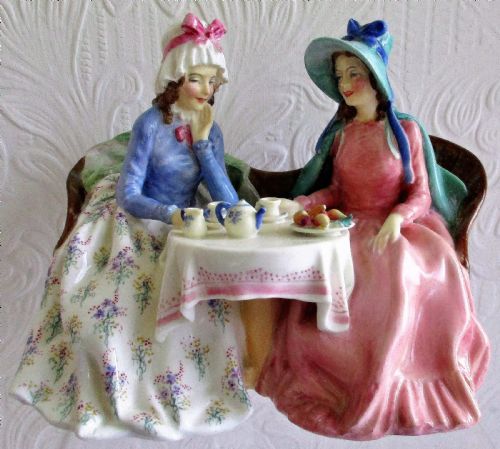
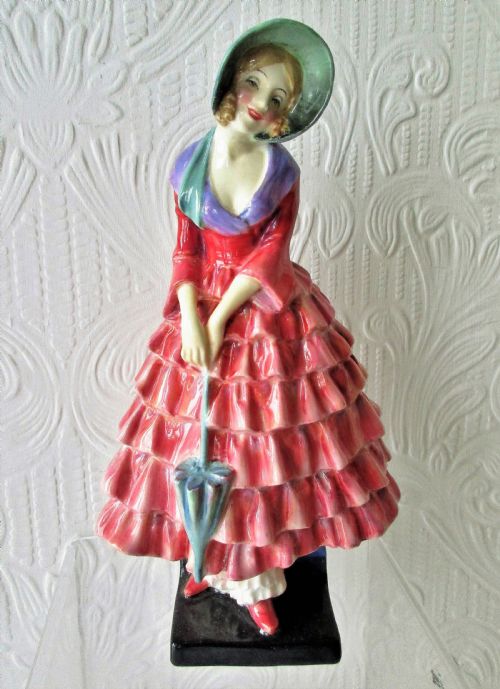
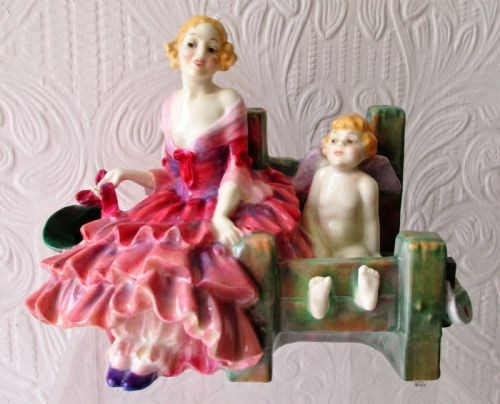
Royal Doulton ladies comprise porcelain figurines produced during the 1930 and 1940 decades, reflecting styles such as Art Deco and English Art Deco. These decorative objects depict named female characters, ranging from literary figures to historical dress subjects.
The versions most commonly met on this page are vintage English porcelain figurines stamped with specific HN numbers. Collectors encounter subjects like "Priscilla", "Chloe", and "A Spanish Lady", each representing the costumed aesthetics of the interwar period.
These ceramic pieces function as cabinet display items rather than utilitarian objects. Their forms draw heavily on Regency Revival themes and early twentieth-century interpretations of historical costume.
Materials and manufacture
The manufacture relies on bone china and porcelain bodies formed into decorative figurines. These ceramic substrates provide a smooth, durable base for subsequent glazing and painting processes.
Makers applied enamel glaze, ceramic glaze, and hand-painted glaze surfaces over the fired body. Artisans then executed detailed hand-painting to define facial expressions, hair, and the intricate patterns of period garments.
Royal Doulton Ladies Retail Price Guide 2026
Typical asking prices for royal doulton ladies among the pieces listed under this phrase on Sellingantiques today, from the lower quarter to the upper quarter. They describe what is for sale here now, not the wider market.
Listings for royal doulton ladies span porcelain and bone china bodies created across the 1930 and 1940 periods.
Assessing quality and execution
Quality in these porcelain figurines rests upon the precision of the hand-painted details and the crispness of the moulded form. Finer examples display subtle shading on skin and textiles, whereas lesser pieces show heavier brushwork and softer lines.
Royal Doulton
The Royal Doulton Ladies Glossary
- Bone china
- A type of soft-paste porcelain containing bone ash, used to achieve a high degree of translucency and whiteness in ceramic figures.
- HN number
- The specific registration and numbering system introduced by the factory to catalogue its ceramic designs and production years.
- Colourway
- The particular combination of enamel glaze colours applied to a specific figurine mould during production.
- Regency Revival
- An aesthetic movement drawing inspiration from the early nineteenth-century Regency period, frequently visible in the costume of these figurines.
- Glaze
- A vitreous layer fused to the porcelain surface through firing, providing colour, texture, and a protective seal.
Royal Doulton Ladies: Frequently Asked Questions
What are royal doulton ladies?
Royal Doulton ladies are porcelain and bone china figurines produced during the 1930 and 1940 decades. They portray named female characters in historical and period dress.
These decorative figurines emerged from English production lines during the Art Deco era. They remain sought after as cabinet display pieces.
How do I read an HN number?
The HN number corresponds to the factory's chronological cataloguing system for its designs. This number helps identify the specific model and its introduction era.
Matching the HN number to production records clarifies the exact design lineage of the figurine. It serves as a primary reference for collectors.
What styles influence these figurines?
The pieces display strong influences from Art Deco, English Art Deco, and Regency Revival aesthetics. These styles shape the exaggerated silhouettes and costume details.
Costumes often reference historical periods like the Regency era, reinterpreted through an interwar ceramic lens. This blending defines the visual appeal of the figures.
How should I display porcelain figurines?
Display these porcelain figurines in enclosed cabinets away from direct sunlight to protect the hand-painted enamel glazes. Stable shelving prevents accidental tipping.
Keep the display area free from excessive temperature fluctuations. Gentle dusting with a dry, soft brush maintains the ceramic surface.