



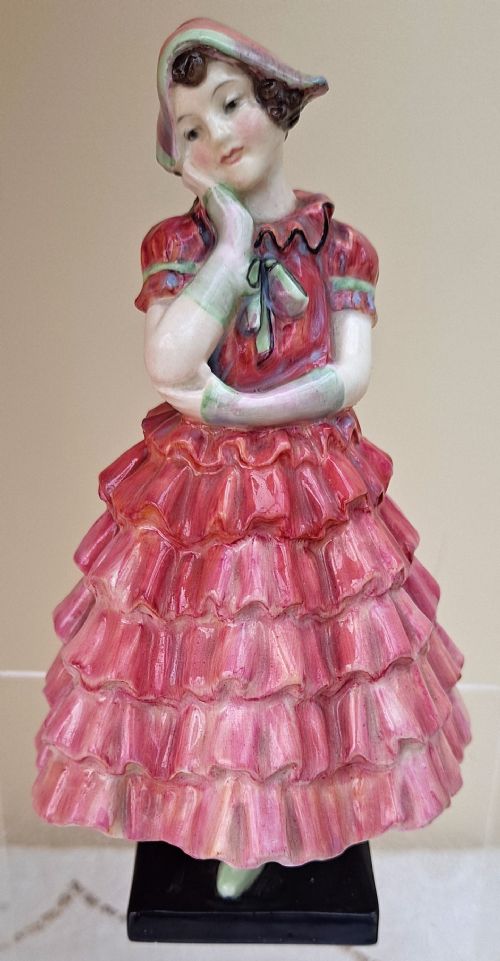


English Bone China Statuette
An english bone china statuette captures the delicate craft of ceramic figures, prized by collectors for their intricate modelling and painted detail.
English Bone China Statuette
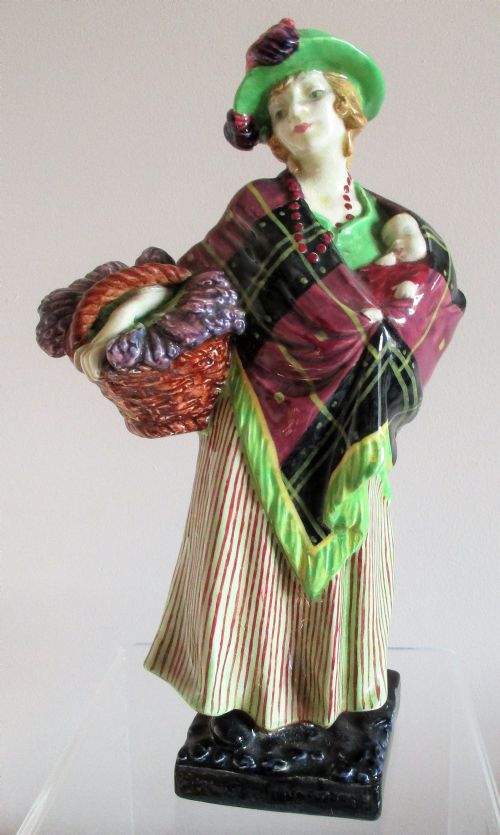
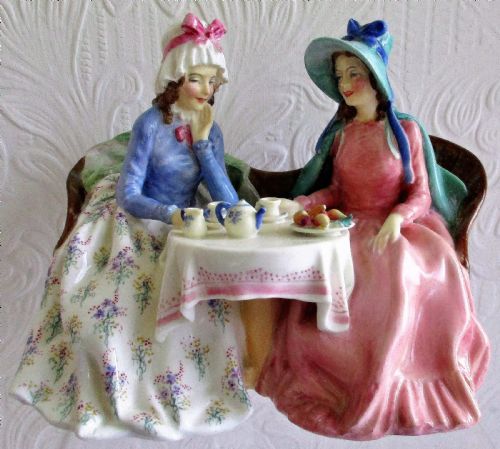
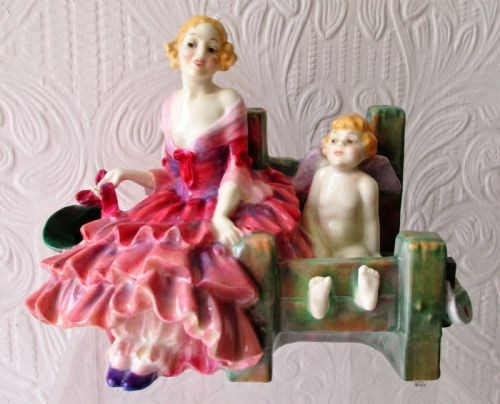
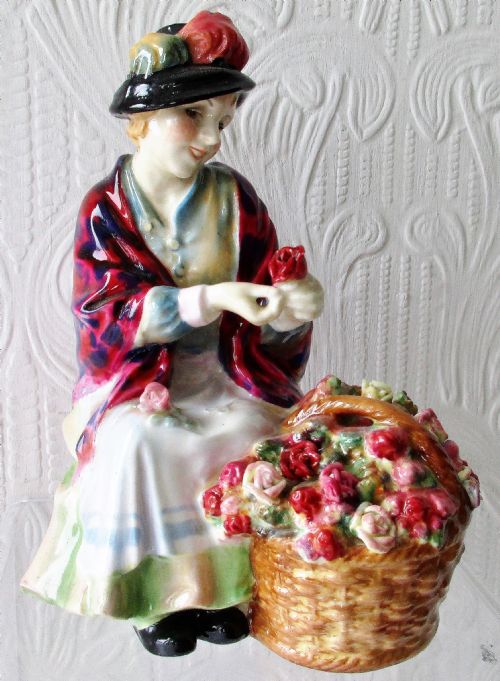
When you search for an english bone china statuette, you are looking at modelled ceramic figures that span from the nineteenth century into the middle decades of the twentieth century. These pieces take the form of decorative figurines and statuettes, capturing human subjects, historical scenes, and mythological motifs.
The versions you are most likely to meet on this page hail from the 1930s and 1940s, alongside nineteenth-century examples. The selection includes named porcelain figures from major makers, reflecting Edwardian tastes as well as earlier Victorian and Rococo Revival influences.
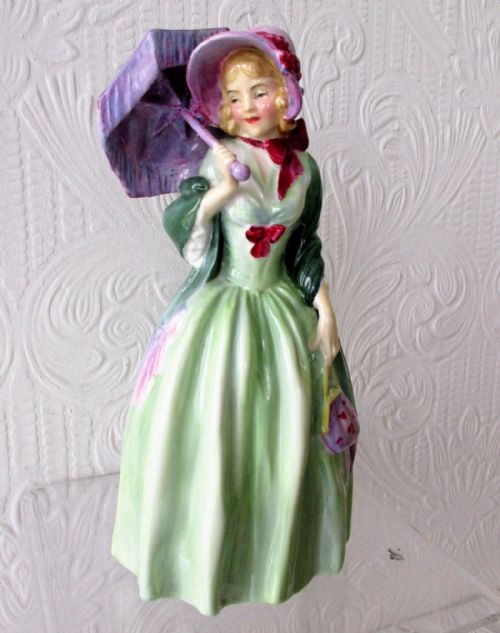
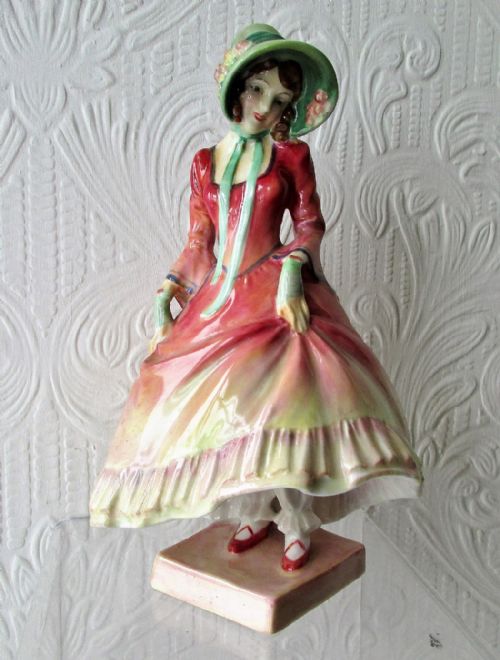
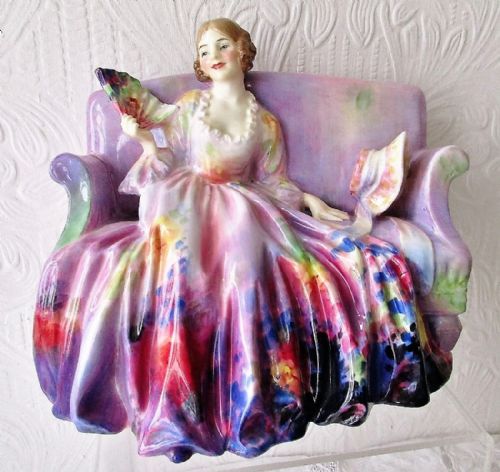
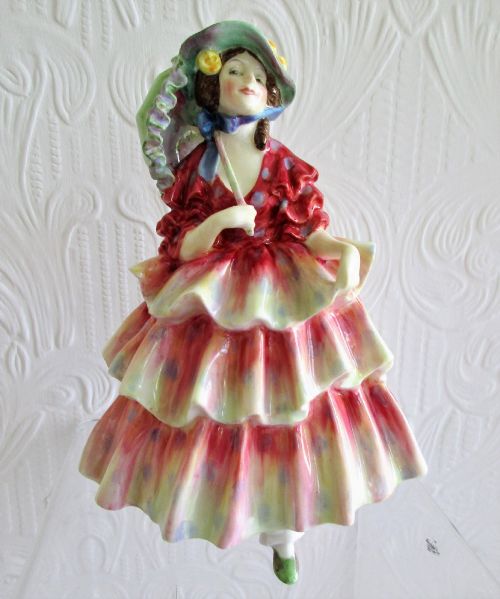
Moulded porcelain subjects range from solitary bonneted ladies and classical cherubs to narrative groups like gardeners and costumed characters. Each piece preserves a distinct aesthetic from its period, whether through Art Deco styling or Regency Revival elegance.
Judging Quality and Execution
The application of enamel glaze and gilt detail also dictates the grade of the statuette. Precise brushwork and even glazing demonstrate high workshop standards, whereas careless pigment application reduces the visual impact of the porcelain.
English Bone China Statuette Retail Price Guide 2026
Typical asking prices for english bone china statuette among the pieces listed under this phrase on Sellingantiques today, from the lower quarter to the upper quarter. They describe what is for sale here now, not the wider market.
The listings span from nineteenth-century Victorian pieces through Edwardian works to 1930s and 1940s Art Deco examples.
Royal Doulton·Royal Worcester·Minton
The English Bone China Statuette Glossary
- Bone china
- A type of porcelain containing bone ash, known for its high strength, chip resistance, and translucent body. It allows for thinner walls and finer sculptural detail than standard earthenware.
- Enamel glaze
- A vitreous composition applied to the fired ceramic surface to add colour and gloss. It is fired a second time to fuse the pigments permanently to the porcelain.
- Gilt
- A thin layer of gold applied to highlights, edges, or lettering on the ceramic body. It provides a metallic accent that catches the light.
- Figurine
- A small carved or moulded statuette representing a human or animal figure. In ceramics, these are typically cast in moulds and hand-painted.
- Rococo Revival
- A nineteenth-century design style that revives the ornate, asymmetrical scrolling and C-scroll motifs of the eighteenth-century French Rococo movement.
English Bone China Statuette: Frequently Asked Questions
What is an english bone china statuette?
An english bone china statuette is a small ceramic sculpture shaped into a human or allegorical figure and fired at high temperatures.
These pieces reflect the sculptural styles of their respective periods, ranging from nineteenth-century Victorian works to Art Deco designs of the 1930s.
How were these figures used?
These decorative objects were designed primarily for display on mantelpieces, sideboards, and glass cabinets in domestic interiors.
They served as ornamental reflections of contemporary taste, fashion, and narrative storytelling during the Victorian, Edwardian, and mid-century eras.
How do I care for my statuette?
Display these delicate porcelain objects away from direct sunlight and areas prone to heavy vibration or accidental knocks.
Dust them gently with a soft, dry brush, avoiding harsh cleaning agents that might damage the enamel glaze or gilt highlights.
How can I tell the period of a piece?
Stylistic clues such as costume design, facial painting, and overall aesthetic movements like Art Deco or Rococo Revival provide primary dating evidence.
Maker marks, titles, and registration numbers stamped or painted on the base also help identify the exact era of production.