


Round Wooden Clock
A round wooden clock is a functional wall piece with a circular dial, offering precise timekeeping housed within a traditional timber case.
Round Wooden Clock
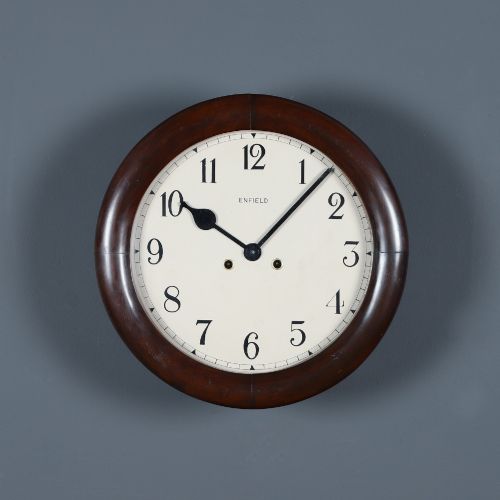
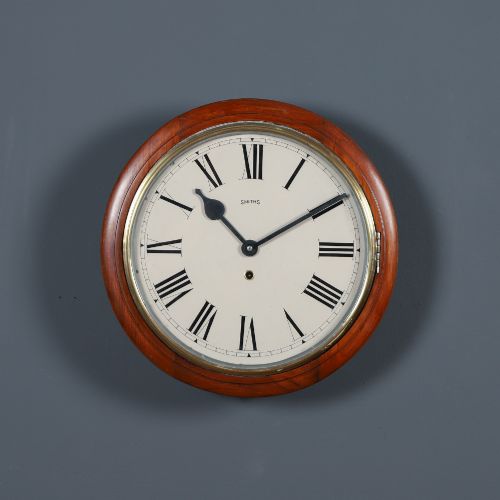
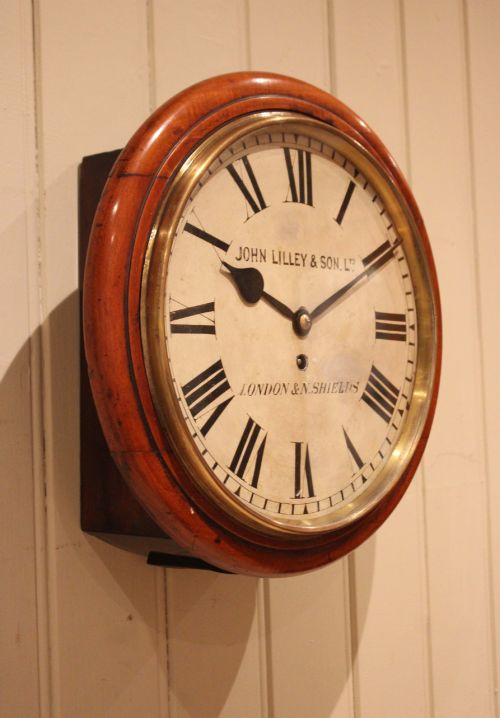
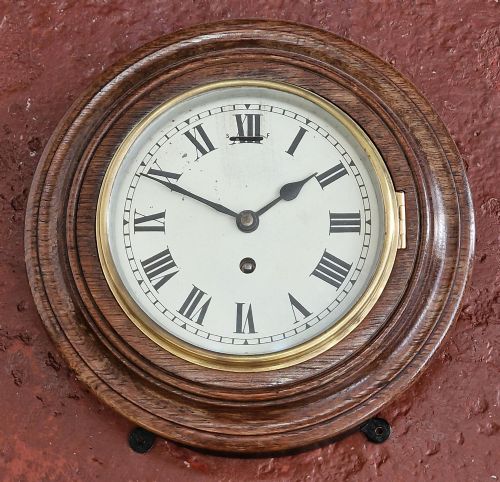
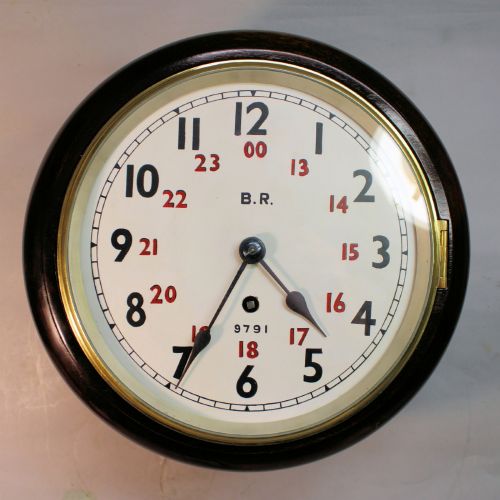
A round wooden clock is primarily represented on this page by wall-mounted timepieces featuring circular dials housed within timber frames. These objects span from the Georgian period through the Victorian era and into the mid-20th century, including designs associated with railways, schools, and offices.
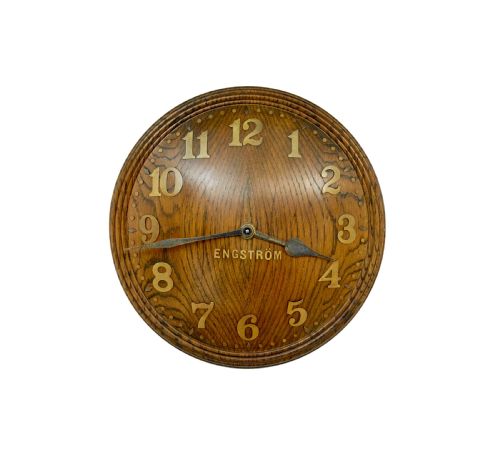
The most common examples you will encounter are mahogany fusee wall clocks from the nineteenth century, alongside oak models from the 1930s. Formats range from small six-inch dials up to substantial railway station variants, utilising timber cases designed for practical interior use.
Distinctions in quality
Quality in these timepieces is determined by the precision of the internal fusee movement and the selection of timber used for the case. Solid mahogany and finely figured walnut exhibit greater craftsmanship than standard utility variants.
The clarity of the painted or convex dial and the crispness of any carved wooden details further separate standard examples from finer pieces. Original components and signed movements elevate the standing of an individual clock.
Many of these sturdy wooden dials spent decades watching people rush for steam trains or trudge into morning lessons.
Enfield·Smiths·Zenith·John Walker·Benjamin Peers Chester·Anglo Swiss Watch Co·Balbiani Brookley·Payne of Tunbridge Wells·Palmer and Co·Webster
The Round Wooden Clock Glossary
- Fusee
- A conical pulley used in older clock movements to maintain even tension on the chain as the mainspring unwinds. This mechanism helps ensure steady timekeeping across the duration of the wind.
- Dial
- The face of the clock where the numbers and hands are displayed. These can be flat or convex, protected behind a glass cover.
- Wall Clock
- A timepiece designed specifically to be hung on a vertical surface rather than placed on a mantel or floor.
- Longcase Clock
- A tall pendulum clock enclosed in a wooden case resting on the floor, featuring a round dial in certain configurations.
Round Wooden Clock: Frequently Asked Questions
Where should I hang a round wooden clock?
These timepieces suit kitchens, hallways, or studies where a clear circular dial can be viewed easily from across the room. Ensure the wall structure can support the weight of a solid timber case.
Keep them away from direct sunlight and damp environments to protect the wood and the internal brass mechanics from warping or corrosion.
How do fusee movements work?
A fusee movement uses a conical drum and a chain to equalise the declining power of the mainspring as it runs down. This traditional arrangement ensures consistent force is delivered to the gear train.
Wind these clocks carefully using the correct key, stopping as soon as resistance is felt to avoid over-tensioning the spring.
How do I date a wooden wall clock?
Dating relies on examining the timber, the construction of the case, the style of the numerals on the dial, and the maker's signature where present. Nineteenth-century examples often feature fusee movements housed in deep mahogany rims.
Later 1930s models frequently utilise oak or distinct Art Deco geometric styling that separates them from Victorian or Georgian predecessors.
Do railway clocks differ from standard wall clocks?
Railway and school clocks were built for high visibility and robust daily use in public spaces. They typically feature clear, bold numbering on a white painted dial surrounded by a sturdy mahogany or oak surround.
These utilitarian pieces prioritise legibility and reliable timekeeping over decorative carving.