



Rosewood Tiered Whatnot
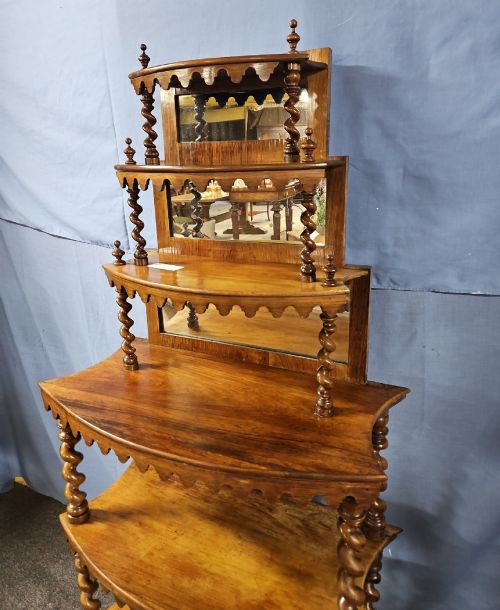
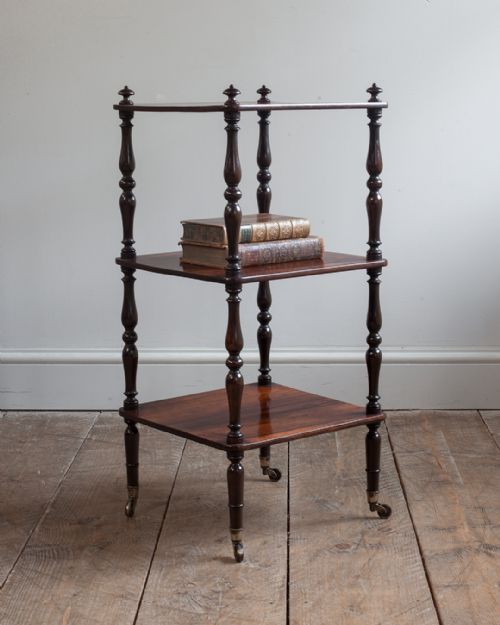
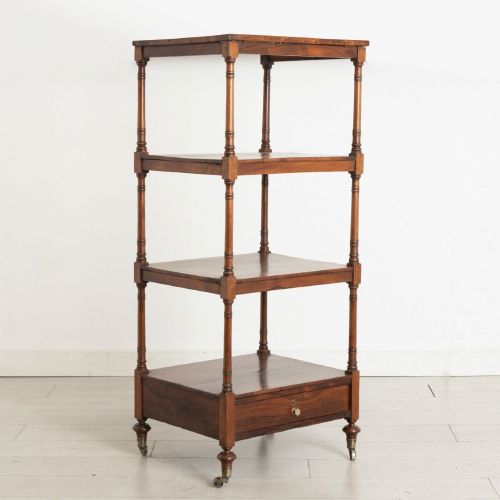
These rosewood tiered whatnot pieces offer stacked open shelving designed to display prized ornaments and books with elegance.
Rosewood Tiered Whatnot
A rosewood tiered whatnot is a piece of multi-shelved furniture designed primarily for display and storage in nineteenth-century interiors. These items appear across Georgian, Regency, William IV, and Victorian periods, taking forms such as standard open shelves, corner units, and occasional tables with integrated display tiers.
Buyers will most frequently meet Victorian and nineteenth-century examples on this page, often featuring three or four tiers supported by slender uprights. Certain pieces combine the open shelving function with a Canterbury base, a reading stand, or a jardiniere plant table.
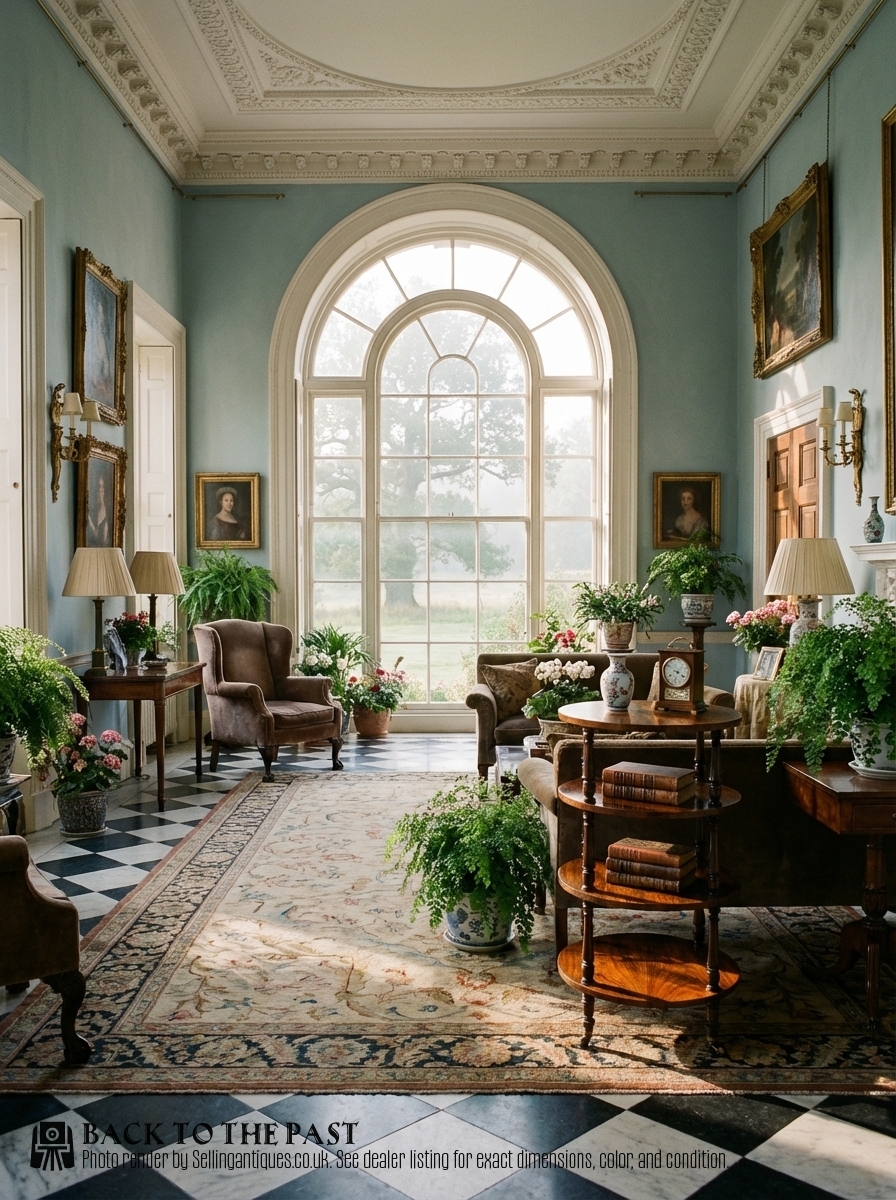
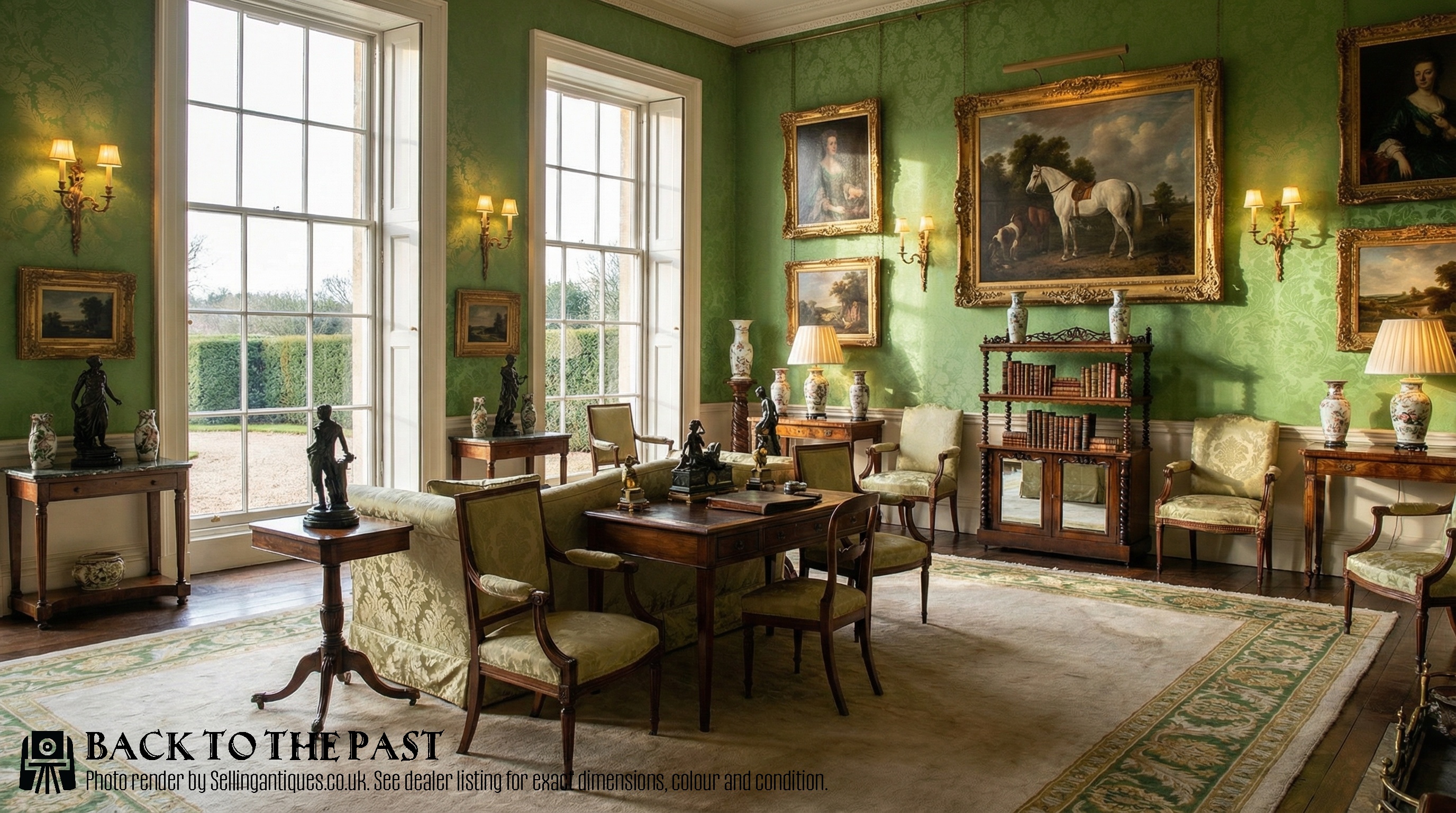
The architectural form allows objects to be viewed from multiple angles while occupying minimal floor space. Originating to hold porcelain, books, and curiosities, these tiered stands continue to serve domestic display roles effectively.
Judging the quality
Quality in a rosewood tiered whatnot rests upon the grain selection of the timber and the crispness of any turned or carved supports. Superior pieces display thoughtful proportions, balanced tier heights, and tight joinery where shelves meet the vertical uprights.
Attribution to documented workshops like Gillows or the presence of maker stamps elevates certain pieces above standard production. The integration of secondary functions, such as a writing surface, reading slope, or integrated drawer, also distinguishes finer examples from simpler stands.
Listings feature 19th Century, Victorian, Regency, William IV, George IV, and Chinese Export styles.
Samson and Son London·Gillows
The Rosewood Tiered Whatnot Glossary
- Whatnot
- A piece of furniture consisting of a set of open shelves for displaying small objects. They became popular during the eighteenth and nineteenth centuries.
- Étagère
- A piece of furniture with a set of open shelves for displaying ornaments. The term is often used interchangeably with whatnot in nineteenth-century contexts.
- Canterbury
- A low stand with partitioned sections for holding sheet music, books, or portfolios. When combined with a whatnot, it provides both display tiers and divided storage below.
- Jardiniere
- An ornamental pot or stand for holding plants and flowers. In hybrid furniture, it is built directly into the upper tier or surface of a stand.
- Ormolu
- Gilded bronze or brass applied as a decorative mount on furniture. It adds bright metallic contrast to dark rosewood surfaces.
Rosewood Tiered Whatnot: Frequently Asked Questions
What is a rosewood tiered whatnot used for?
These pieces serve primarily to display ceramics, books, silver, and decorative ornaments across multiple open tiers. They make efficient use of vertical wall or corner space in principal rooms.
Historically, households utilised them in parlours and drawing rooms to keep frequently viewed items within easy reach. Today, they perform the same decorative function in modern interiors.
How do I date a rosewood whatnot?
Dating relies on observing structural characteristics, decorative motifs, and the general transition of styles from the Regency and William IV eras into the Victorian period. Earlier pieces often exhibit restrained classical turning, while later Victorian examples may incorporate more elaborate carving or mirror backs.
Matching the construction details against documented periods helps narrow down the decade of manufacture. Consulting cabinetmaker stamps, where present, provides a firmer date.
Where should I place a whatnot in my home?
Corner whatnots fit neatly into unused angles of a room, while freestanding rectangular variants suit flat walls or the side of a seating group. Their open construction prevents them from visually crowding smaller spaces.
Keep them away from direct sunlight and heat sources to protect the rosewood polish and veneer. Placing them on level floors ensures the stacked tiers remain stable.
Are these pieces sturdy enough for daily use?
Nineteenth-century open shelving units are generally robust, but their slender uprights require sensible loading. Distributing weight evenly across the tiers keeps the structure balanced and secure.
Periodic checks of the joints and upright fixings help maintain stability over decades of domestic use. Moving them gently prevents stress on the lower shelf connections.