

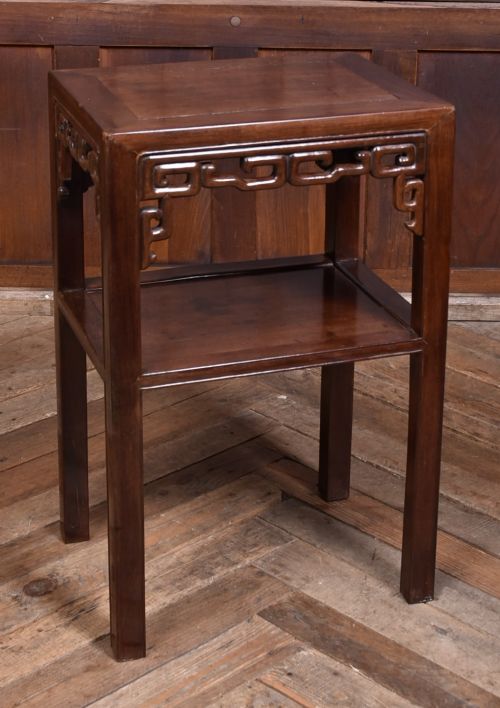

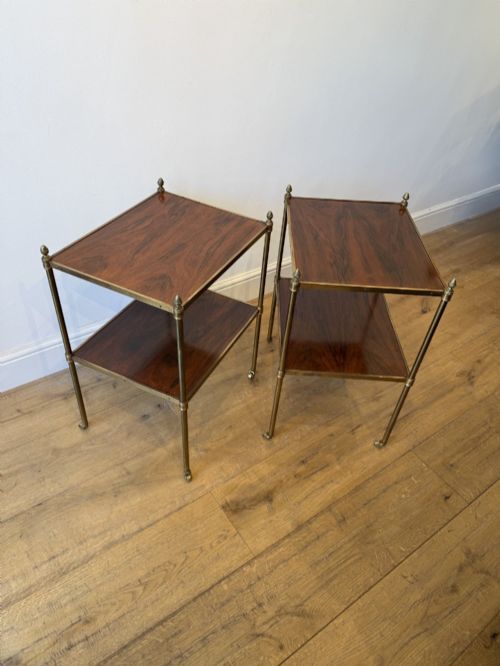
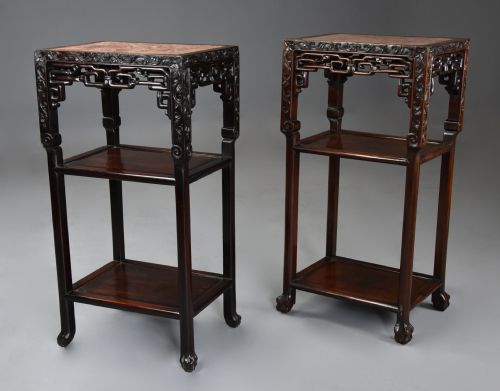
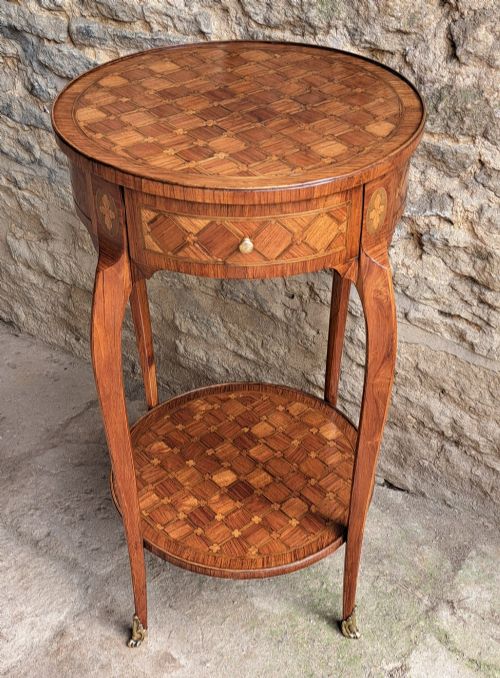


Rosewood Tiered Side Table
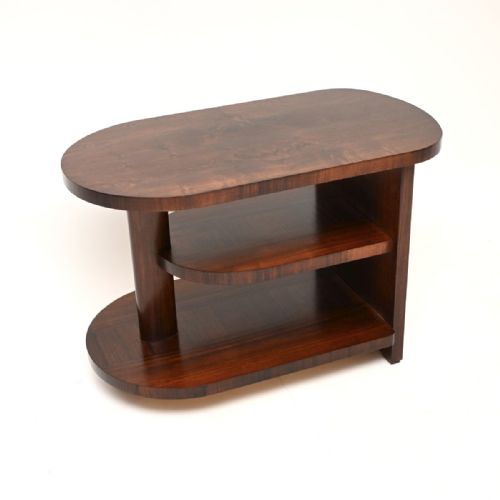
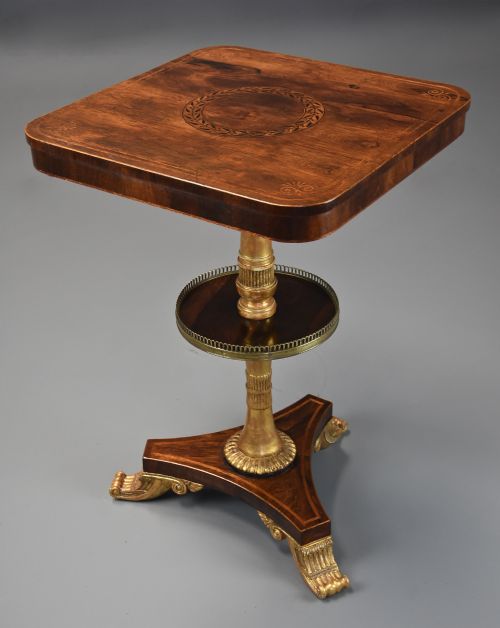
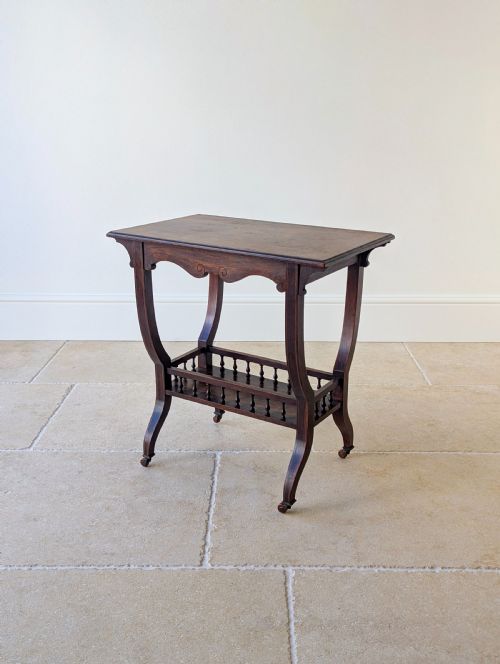
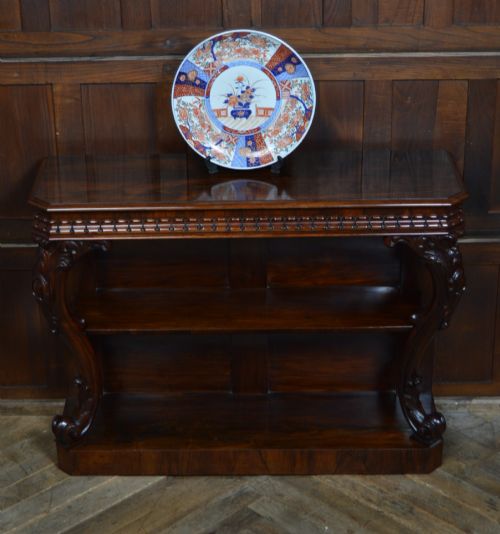
A rosewood tiered side table offers multiple surfaces for display, emerging in forms from the Regency period through to Art Deco.
Rosewood Tiered Side Table
When you search for a rosewood tiered side table, you encounter a variety of multi-level furniture designed to hold objects, books, or lamps across several horizontal surfaces. The pieces span periods from the Regency era and Victorian times through Edwardian years and into 1930s Art Deco designs.
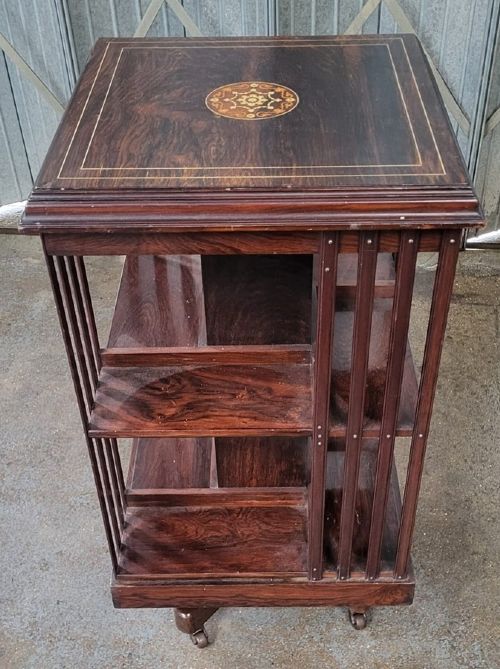
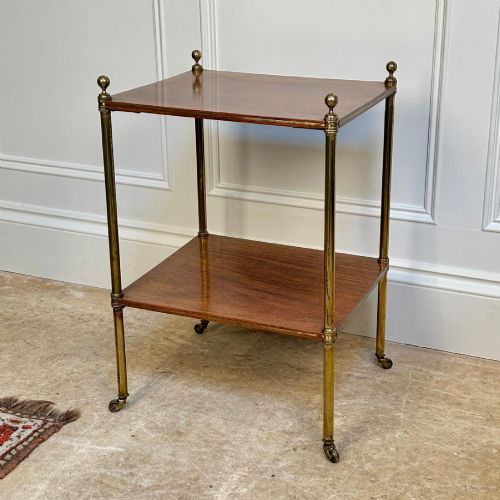
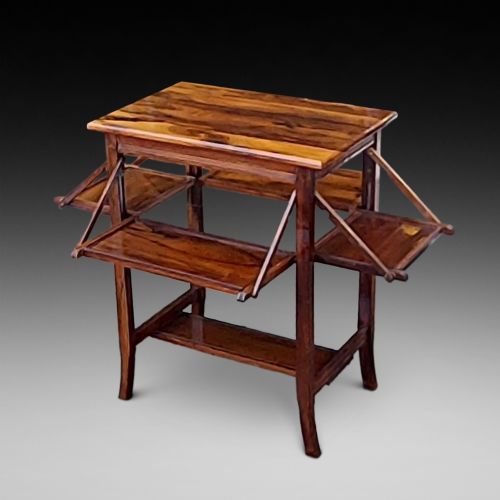
The selection includes etageres, whatnots, occasional tables, and plant stands created in both English and French workshops, alongside Chinese hardwood and hongmu pedestal pieces. You will find examples ranging from simple two-tier occasional tables to elaborate three-tier revolving bookcases and serving stands.
Makers and retailers represented in the listings include Edwards & Roberts, Gillow, Robert Strahan, Collinson & Lock, and Haentgos Freres, demonstrating the wide scope of craftsmanship applied to these tiered formats.
How they were made
Makers utilised solid rosewood, kingwood, satinwood, and hardwood foundations, often enhanced by contrasting crossbanding and intricate marquetry inlay in maple and other timbers. Surfaces frequently incorporate marble inserts or brass mounts, whilst ormolu details appear on French revival examples.
Construction techniques involve tiered platforms supported by delicate uprights, pillars, or turned legs, engineered to maintain stability across two or three distinct levels. Cabinetmakers applied French polishing and detailed edge banding to highlight the rich grain patterns inherent in the exotic woods.
Listings feature rosewood, hardwood, and kingwood alongside brass, marble, and ormolu across Victorian, Regency, and Art Deco periods.
What varies in quality
The distinction between standard commercial output and exhibition quality pieces lies in the precision of the marquetry, the selection of figured timber veneers, and the sophistication of the brass or ormolu mounts. Finer examples display meticulous attention to secondary timbers and joinery details that remain hidden from casual view.
Attribution to documented makers or retail houses elevates an object, reflecting superior design execution and workshop standards that outlast simpler utilitarian productions from the same decades.
Edwards and Roberts·Gillow·Robert Strahan·Haentgos Freres
The Rosewood Tiered Side Table Glossary
- Whatnot
- An open set of shelves used for storing or displaying books, ornaments, or bric-a-brac. This form became particularly popular during the Victorian and Regency periods.
- Marquetry
- Decorative woodwork in which delicate pieces of coloured wood, shell, or ivory are fitted into a veneer to form patterns. It adorns the top surfaces and tiers of finer tables.
- Crossbanding
- A strip of veneer running along the edge of a tabletop or shelf, laid so that the grain runs at right angles to the central panel. This technique provides a neat visual border.
- Ormolu
- Gilded bronze used for decorative mounts on furniture, particularly associated with French revival and nineteenth-century pieces. It adds metallic contrast to the dark rosewood surfaces.
Rosewood Tiered Side Table: Frequently Asked Questions
What is an etagere?
An etagere is an open-shelved piece of furniture designed specifically for display. It provides multiple tiers to hold decorative objects or books.
These items were frequently placed in reception rooms to showcase porcelain, silver, or small ornaments.
How do I identify a whatnot?
A whatnot is defined by its vertically stacked open shelves supported by slender corner posts or pillars. They are built to be light and movable.
They appear in various shapes, including rectangular, octagonal, and corner configurations, across nineteenth-century and Edwardian eras.
Where were tiered side tables used?
These tables served primarily in drawing rooms, parlours, and libraries as auxiliary surfaces for lamps, books, and serving tea. Their multiple tiers maximised floor space.
Later Edwardian and Art Deco variants also functioned as lamp tables or specialised cake-serving stands in domestic interiors.
How do I date these tables?
Dating relies on stylistic clues, timber choices, and construction methods characteristic of periods like Regency, Victorian, Edwardian, and Art Deco. Regency pieces often display classical restraint, whilst Victorian and Edwardian examples lean toward rich marquetry and varied tiers.
Makers' stamps, labels, or attribution to documented firms like Gillow or Edwards & Roberts help narrow the production decade.