



Rosewood Low Footstool
A rosewood low footstool brings dense grain, carved frames and low proportions to a room, offering both practical comfort and period character.
Rosewood Low Footstool
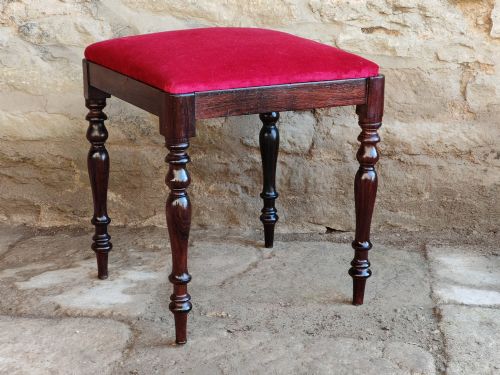
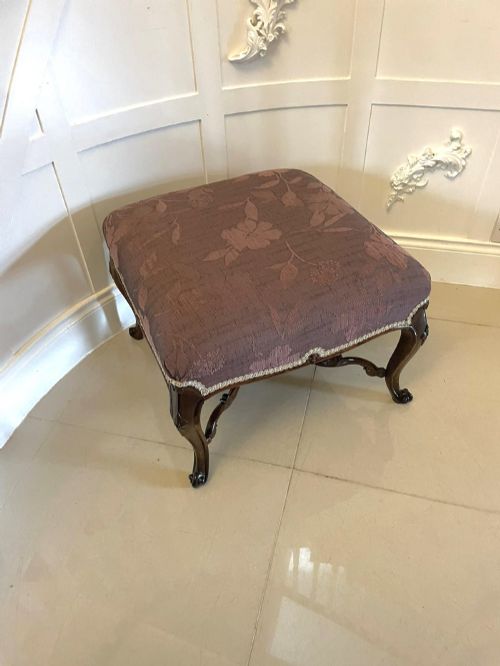
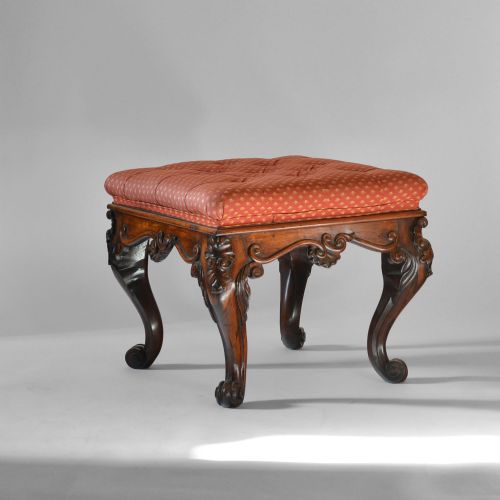
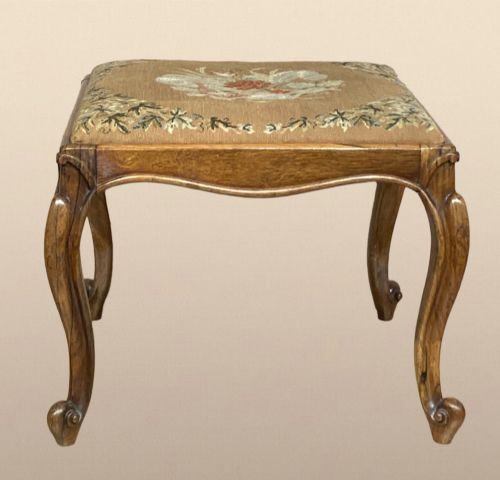
A rosewood low footstool is a low seating piece typically designed to support feet or serve as a dressing stool. The selections available encompass forms from the Georgian, Regency, and Victorian eras, alongside Anglo-Indian examples.
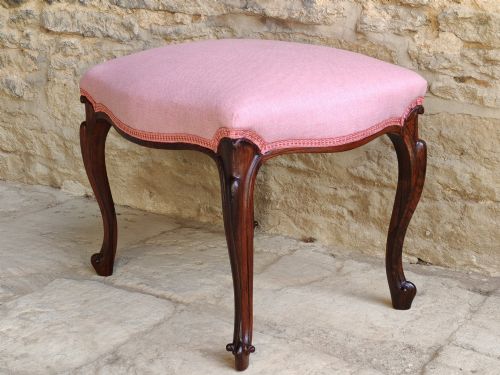
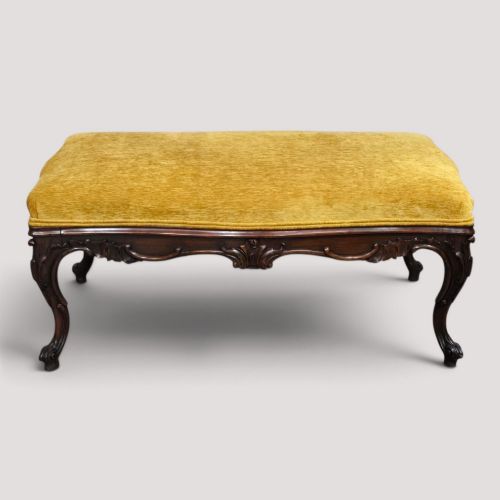
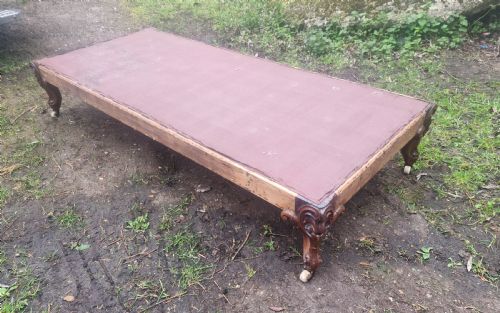
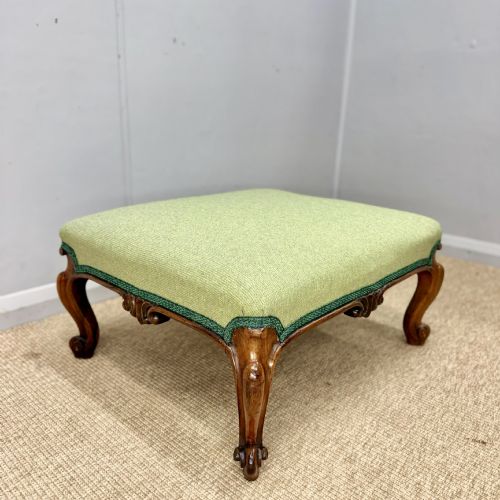
Buyers will encounter various configurations including oblong, oval, and large centre stools. Many pieces incorporate cabriole legs, carved details, and lift-out upholstered seats.
How they were made
Carpenters utilised dense rosewood and hardwood to construct the low frames, often applying intricate carving to the woodwork. Brass components occasionally supplemented the structural and decorative elements.
Upholstery techniques involved fabric, tapestry, textiles, and wool to create padded tops. Pieces frequently survived through reupholstering using modern or period textiles.
Rosewood Low Footstool Retail Price Guide 2026
Typical asking prices for rosewood low footstool among the pieces listed under this phrase on Sellingantiques today, from the lower quarter to the upper quarter. They describe what is for sale here now, not the wider market.
Some Victorian stools feature lift-out seats, perhaps originally intended for hiding small secrets beneath the padding.
What varies in quality
The distinction between standard and superior pieces rests upon the crispness of the wood carving and the stability of the hardwood frame. Dense grain and well-executed cabriole legs elevate the status of an example.
Proportion and the integrity of the original timber define the upper tier of these items. Pieces retaining their structural soundness without excessive modern intervention command greater attention.
The Rosewood Low Footstool Glossary
- Cabriole leg
- A furniture leg that curves out and then in, resembling an animal's leg. This design appears frequently on Victorian examples.
- Rosewood
- A heavy, dense hardwood prized for its dark grain and durability. It forms the primary structural material for these stools.
- Centre stool
- A larger freestanding stool designed to sit in the middle of a room or dressing area. These often feature elaborate carved frames.
- Anglo-Indian
- A style reflecting British influence combined with Indian craftsmanship during the nineteenth century. These items display distinct regional carving patterns.
- Tapestry
- A form of heavy textile woven with decorative designs, commonly utilised for upholstery on period footstools.
Rosewood Low Footstool: Frequently Asked Questions
What periods do these stools span?
The pieces originate from the Georgian, Regency, and Victorian periods, with many dating specifically through the nineteenth century.
Examples span from the early nineteenth-century Regency styles to late Victorian creations from eighteen-eighty.
How were these low stools used?
Owners placed them beside armchairs to support the feet or used them at dressing tables for seating.
Larger versions served as centre stools or ottomans within nineteenth-century reception rooms.
Are the upholstery covers original?
Most stools feature fabric, wool, or tapestry upholstery that has been replaced or updated over time.
Some listings explicitly mention new upholstery or describe pieces ready for reupholstering.
What wood makes up the frames?
The frames utilise rosewood, complemented by general hardwood in certain Anglo-Indian variations.
This dense timber allowed carvers to execute deep decorative details along the legs and rails.