


Rosewood Inlaid Sofa
A rosewood inlaid sofa brings together rich tropical timber and precise contrast work, offering a sophisticated seat or centrepiece for a refined interior.
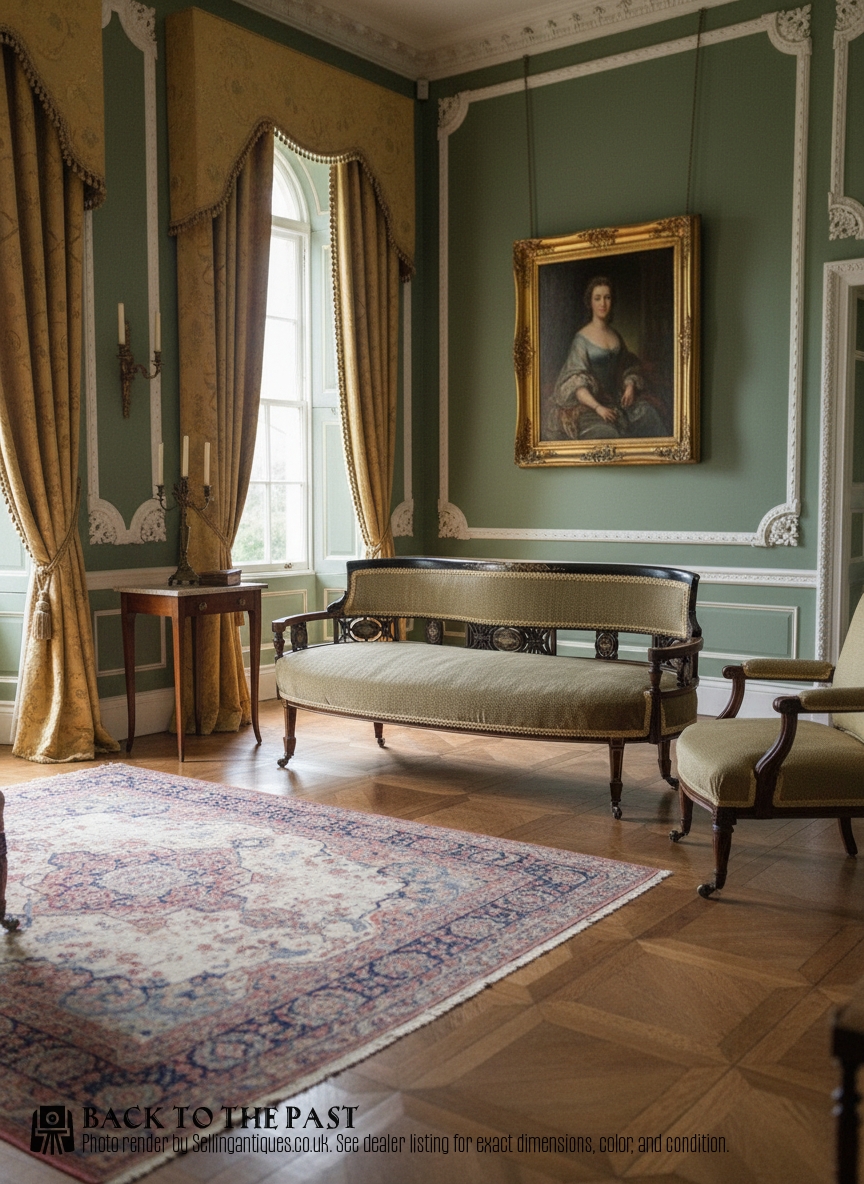
Rosewood Inlaid Sofa
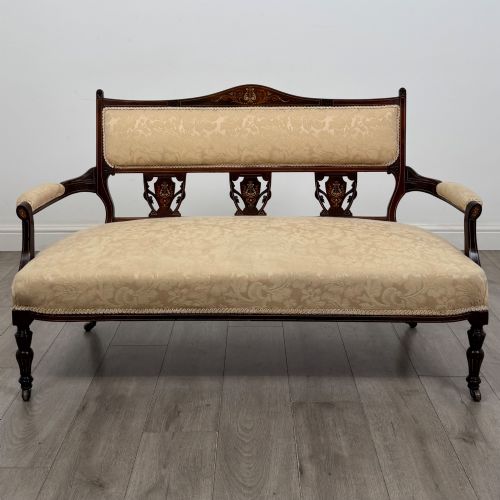
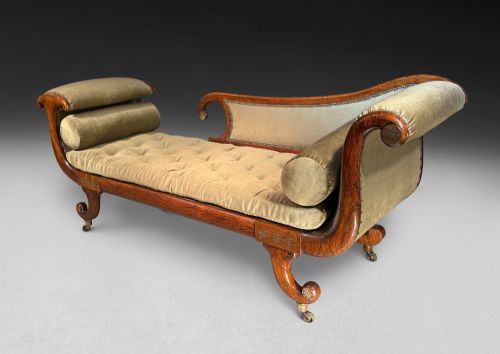
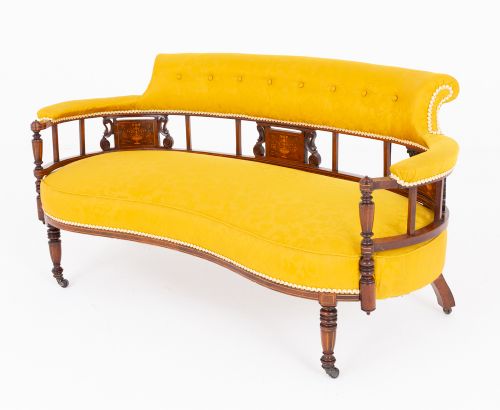
When browsing a rosewood inlaid sofa, buyers encounter a mix of formal settees, salon couches, and multi-purpose sofa tables originating predominantly from the Regency and Victorian periods. The seating examples range from open-frame salon benches to upholstered settees featuring delicate woodwork.
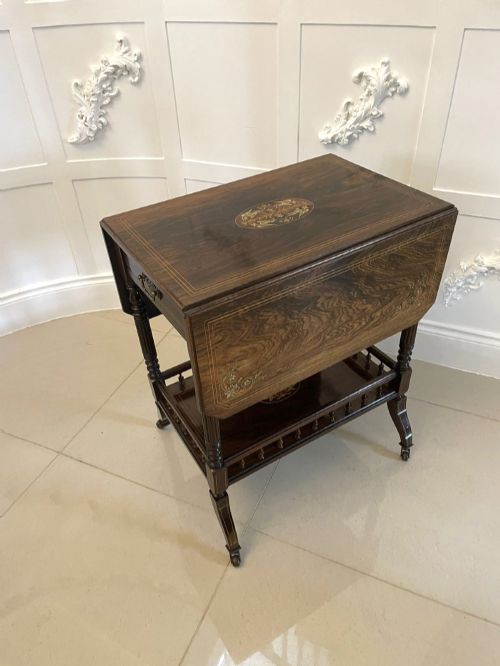
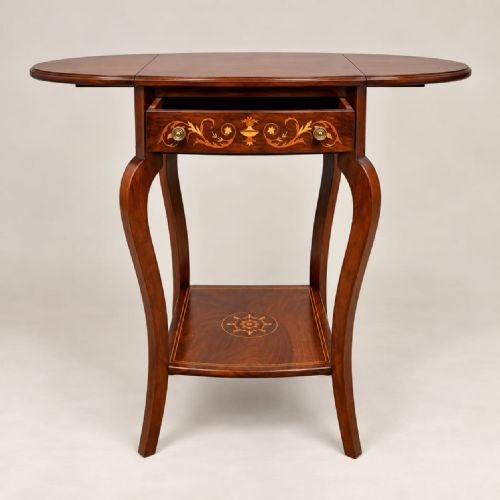
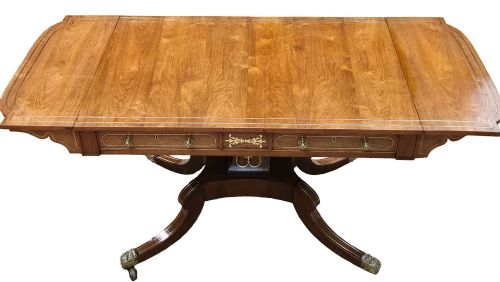
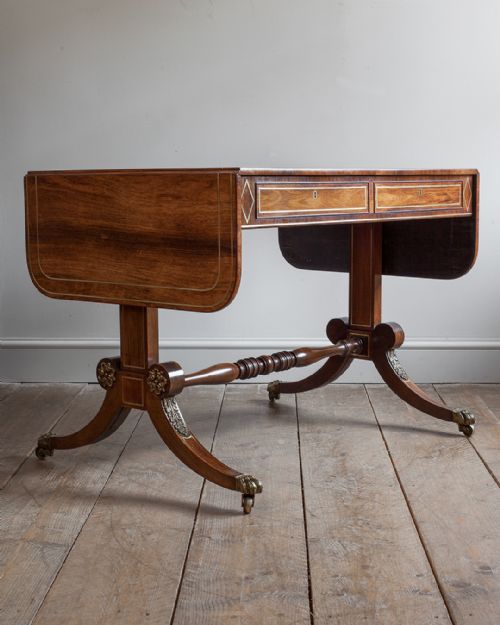
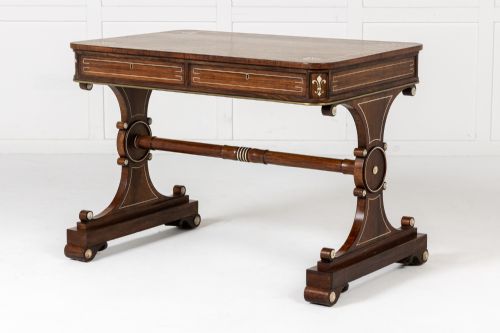
Alongside actual seating, the selection includes numerous sofa tables designed with drop leaves and trestle supports. These dual-purpose forms reflect the domestic habits of the nineteenth century, where freestanding furniture occupied the middle of the room.
Pieces from later decades introduce Edwardian and Chinese Export variations, expanding the selection towards inlaid benches and hardwood suites. The predominant forms maintain a slender profile regardless of whether they serve as seating or surface furniture.
How they were made
Cabinet makers utilised dense tropical rosewood as the primary visible timber, often selected for its dark grain and polished finish. Contrasting woods such as satinwood, boxwood, and burr yew were then cut into thin veneers to form intricate geometric patterns.
Metalwork played a structural and decorative role, with brass inlay and brass mounts embedded directly into the rosewood surface. Mother of pearl also appears on specific export pieces, providing a luminous contrast against the dark hardwood frames.
Listings feature rosewood combined with brass, satinwood, boxwood, and mother of pearl across Regency and Victorian forms.
What varies in quality
The standard of craftsmanship depends largely on the precision of the marquetry and the crispness of the brass cutting. Superior examples exhibit seamless integration between the inlay and the surrounding rosewood ground, whereas simpler work shows wider kerf lines or filled gaps.
Structural harmony also dictates value, separating standard production furniture from pieces attributed to skilled workshops. Finely turned supports, balanced proportions, and well-figured timber distinguish the highest tier of nineteenth-century output.
Gillows·John McLean·George Bullock
The Rosewood Inlaid Sofa Glossary
- Rosewood
- A heavy, durable timber featuring dark brown and purplish grain patterns. It takes a high polish and forms the dark ground of these pieces.
- Marquetry
- The art of creating decorative pictures or patterns using thin veneers of various woods. It differs from simple inlay by covering the entire surface in a mosaic.
- Settee
- A medium-length upholstered seat with a back and arms. It accommodates multiple people and serves as a formal salon piece.
- Satinwood
- A pale, lustrous timber native to India and Sri Lanka. Cabinet makers utilised it for contrasting stringing and geometric panels.
Rosewood Inlaid Sofa: Frequently Asked Questions
How do I identify a Regency sofa table?
Regency sofa tables typically feature twin pedestals or end supports joined by a stretcher rail, often accented with brass inlay. They were built between roughly eighteen hundred and eighteen thirty.
Look for drop leaves, small drawers beneath the top, and solid brass castors designed for mobility on carpets.
Were these sofas used for everyday lounging?
Nineteenth-century settees and salon sofas were primarily formal reception furniture rather than casual seating. They were built to furnish drawing rooms and parlours for receiving guests.
Consequently, the upholstery frames are often lighter and more decorative than modern equivalents.
What is the difference between inlay and marquetry?
Inlay involves inserting pieces of contrasting material into recesses carved directly into the solid wood or veneer. This technique frequently creates linear stringing or geometric borders.
Marquetry assembles an entire pictorial or decorative veneer puzzle before gluing it down onto the carcass as a single sheet.
How do I care for antique rosewood furniture?
Rosewood benefits from stable indoor humidity and protection from direct sunlight, which can fade the dark grain over time. Regular dusting with a soft, dry cloth preserves the polished surface.
Avoid silicone-based polishes and apply traditional beeswax sparingly to maintain the natural lustre of the timber.