





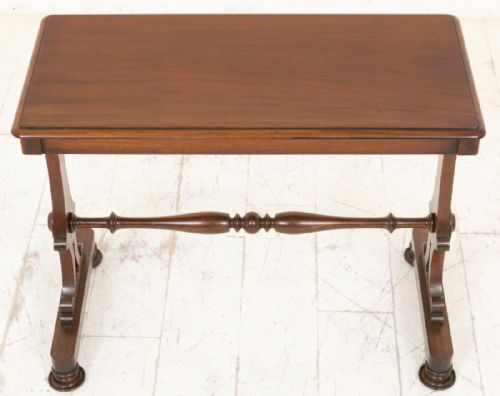

Rosewood Hallway Table
These rosewood hallway table pieces offer striking grain and rich timber tones, making them a sophisticated choice for any entryway.
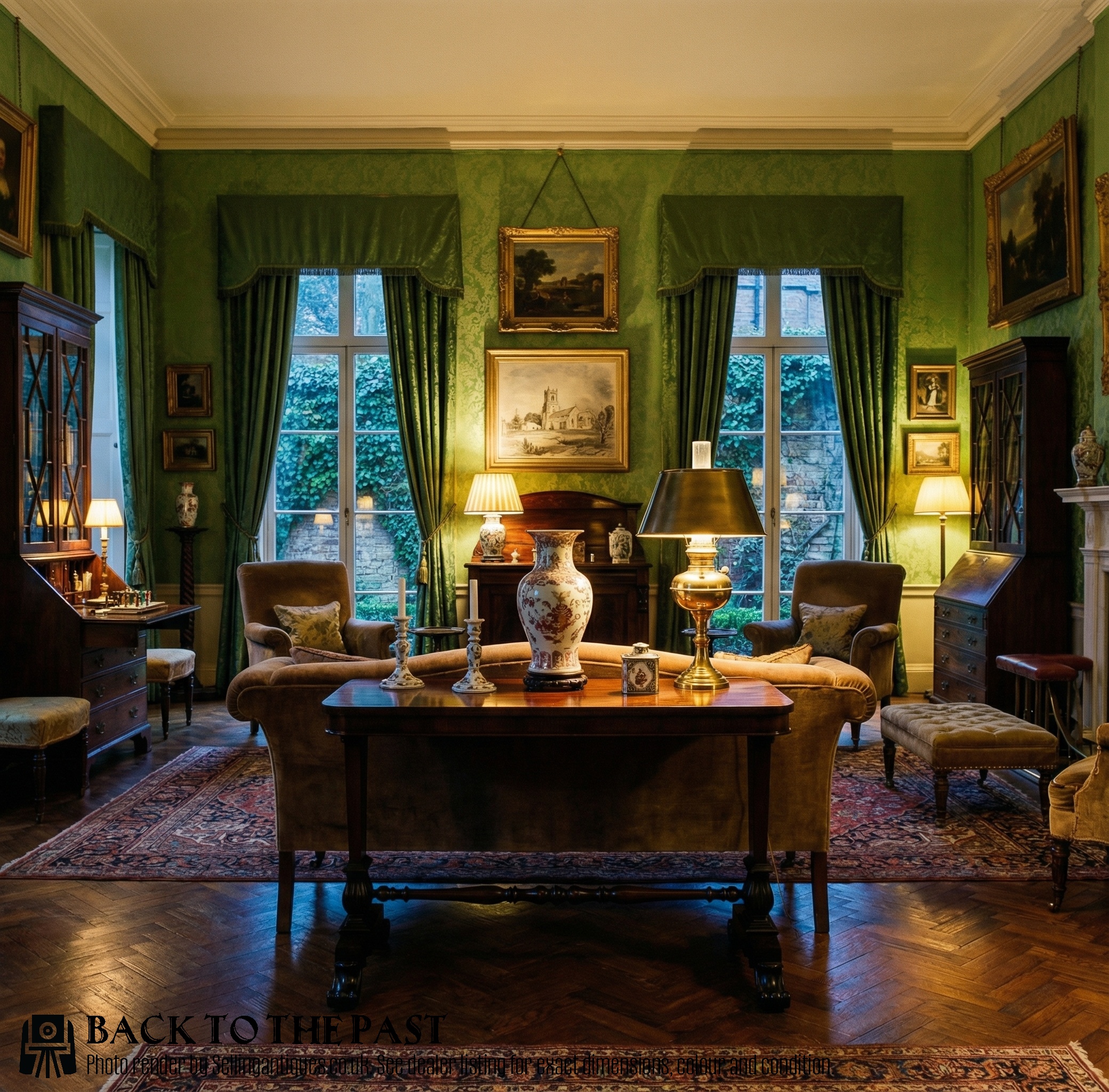
Rosewood Hallway Table
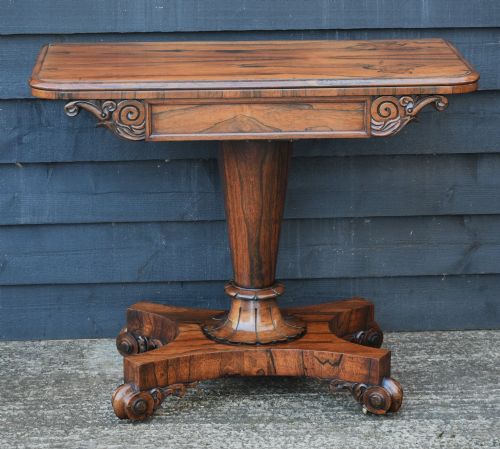
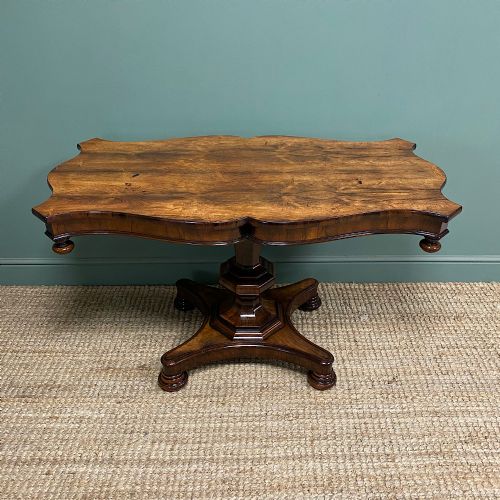
When you search for a rosewood hallway table, you encounter console tables, pier tables, and side tables designed to sit flush against a wall in a narrow space. The examples listed here span the nineteenth century, including Regency, William IV, and Victorian periods.
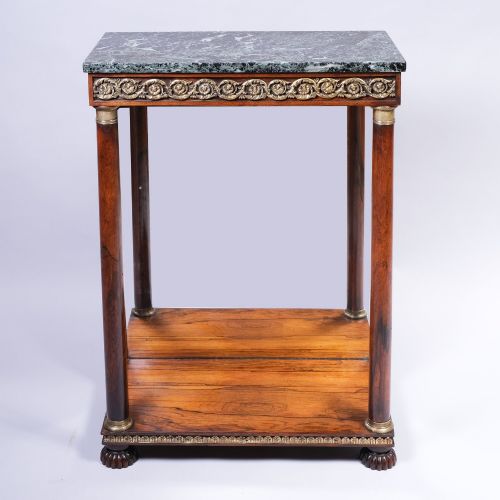
Most pieces on this page are console or hall tables fashioned from dark tropical hardwoods, frequently featuring polished timber tops and occasional marble surfaces. Originating from diverse workshops, these items include British stylistic expressions alongside Anglo-Indian and Chinese traditional forms.
Buyers frequently find foldover card tables or gallery tables adapted to hallway use, displaying distinctive grain patterns and turned supports. These items serve both decorative and functional purposes in a traditional interior.
How they were made
Cabinetmakers utilised dense tropical timbers like rosewood and dark hardwood, often laid as veneers over secondary construction woods or carved directly. Surfaces were hand-polished to accentuate the deep, variegated figure of the timber.
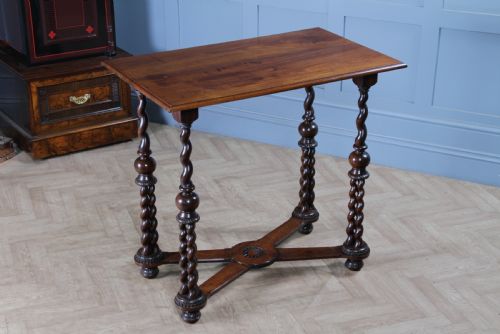
Metal mounts in brass, parcel gilt details, and inset marble or glass tops appear across various examples, demonstrating complex assembly methods. Turning and hand-carving produced structural elements such as barley twist legs and classical pedestals.
Listings for this phrase include nineteenth-century periods such as Regency, William IV, and Victorian, alongside Anglo-Indian and Chinese traditional examples.
What varies in quality
The sophistication of the timber selection largely determines the distinction between standard and superior examples, particularly the consistency and depth of the rosewood grain. Master cabinetmakers employed symmetrical veneer matching and crisp, deep hand-carving on structural elements.
Integration of secondary materials such as inset marble tops, gilt bronze or brass mounts, and mirror glass elevates the execution of the piece. The rigidity of the frame and the joinery hidden beneath the polish reflect the original workshop standards.
The Rosewood Hallway Table Glossary
- Console table
- A table designed to be fixed against a wall, frequently supported by front legs or brackets while relying on the wall for balance. These pieces often feature decorative front aprons.
- Pier table
- A low table specifically built to stand against the wall beneath a pier glass mirror. They share similarities with console tables and were popular in nineteenth-century interiors.
- Veneer
- A thin layer of superior timber applied over a base of cheaper wood to provide a decorative surface. This technique allowed cabinetmakers to display striking grain patterns.
- Barley twist
- A carved wooden furniture leg or column shaped in a continuous spiral resembling a twisted rope. This turning technique was prominent during the Victorian era.
Rosewood Hallway Table: Frequently Asked Questions
Where should I place a rosewood hallway table?
These tables suit narrow entrance halls and reception rooms where floor space is limited against a wall. Their shallow depth allows them to sit neatly without obstructing passageways.
Pairing the table with a mirror or placing a small lamp on top creates an effective focal point upon entering the home.
How do I care for rosewood surfaces?
Dust the timber regularly with a soft, dry cloth to prevent particulate buildup on the polished finish. Avoid placing the table in direct sunlight or near heat sources to protect the wood.
Applying a traditional wax polish occasionally helps maintain the lustre and nourishes the natural grain without sealing the surface.
Can these tables be used for daily surface use?
Most of these antique tables function well for holding keys, post, and decorative objects in daily domestic life. Foldover variants offer adjustable surface space when required for specific tasks.
Using coasters or protective pads underneath drinks or heavy items prevents moisture rings and scratching on the polished timber.
How do I distinguish Regency from Victorian examples?
Regency pieces often display restrained classical restraint, drawing on ancient Greek and Roman motifs with clean lines and subtle brass mounts. They typically date from the early nineteenth century.
Victorian items frequently exhibit heavier proportions, bolder carving such as barley twists, and more exuberant decorative details reflecting later nineteenth-century tastes.