



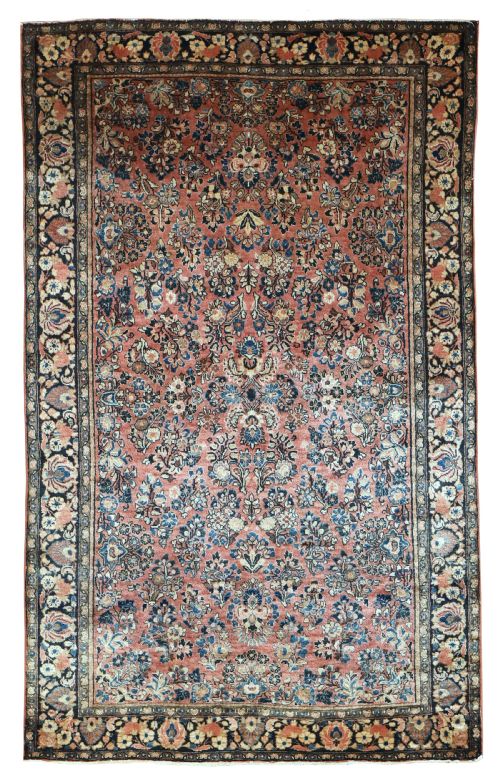


Rose Persian Rug
A rose persian rug brings warmth and traditional pattern to a room, offering enduring floor coverings shaped by regional workshops.
Rose Persian Rug
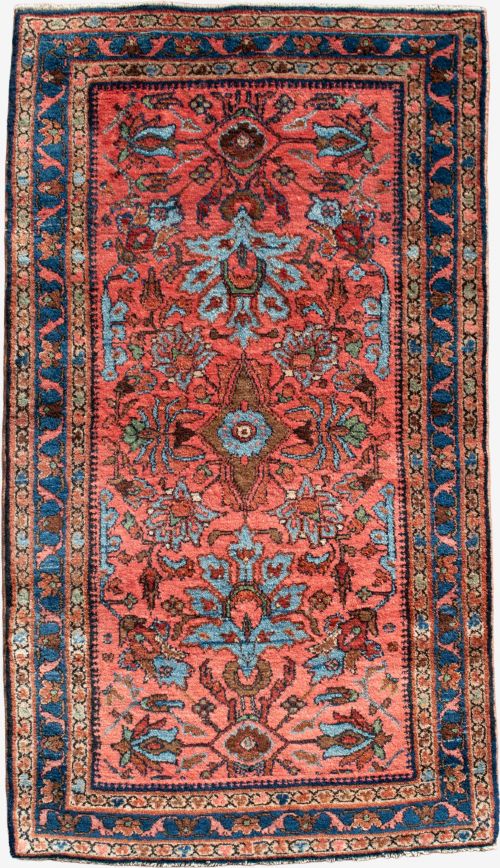
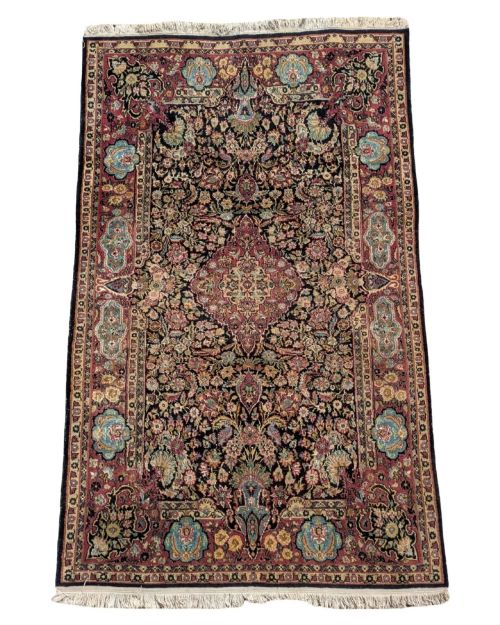
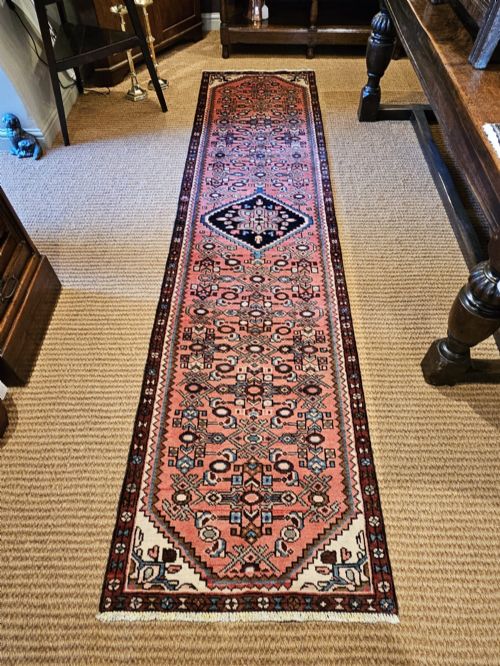
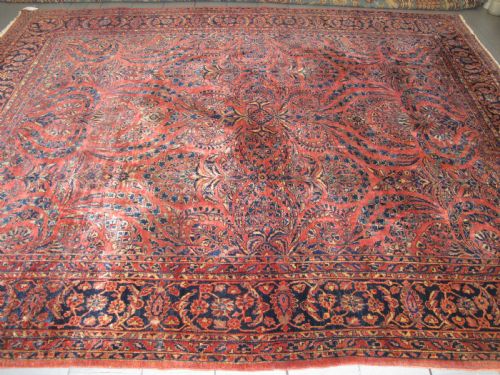
A rose persian rug covers diverse regional styles and carpet traditions originating from Persia and the Caucasus, spanning the late nineteenth and early twentieth centuries. These woven floor coverings range from substantial room-size carpets to long runner rugs designed for hallways and corridors.
The pieces found here include specific named village and city weaves such as Hamadan, Kashan, Sarouk, Ishfahan, and Mishan Malayer, alongside Caucasian Karabagh examples. Many of these examples display distinct floral and rose motifs influenced by regional design exchanges.
Most items on this page date from the decades between eighteen ninety and nineteen thirty, representing a period of traditional hand-knotting traditions. Buyers encounter everything from large room-size formats exceeding three metres to smaller area rugs featuring soft pink and rose colour palettes.
How they were made
These carpets and rugs rely primarily on wool and cotton foundations and pile, with occasional silk highlights woven into the design. Wool provides the durable pile necessary for daily floor use, while cotton serves for the strong structural warp and weft threads.
Weavers constructed these pieces by hand-knotting fibre onto a supportive foundation before finishing the ends and edges. Natural dyes and regional colour preparation created the enduring tones seen in the rose pink hues and detailed central medallions.
Rose Persian Rug Retail Price Guide 2026
Typical asking prices for rose persian rug among the pieces listed under this phrase on Sellingantiques today, from the lower quarter to the upper quarter. They describe what is for sale here now, not the wider market.
What varies in quality
Quality in these woven works rests on the density of the knotting and the fineness of the materials used in the pile. Pieces incorporating silk highlights or particularly intricate regional designs reflect higher standards of workshop execution.
The handling of the rose design and the clarity of the surrounding borders indicate the skill of the original maker. Condition variations, such as distress or uniform wear across the wool surface, affect how the visual pattern reads today.
The Rose Persian Rug Glossary
- Pile
- The upright yarn loops or tufts forming the soft surface of a rug. This upper layer absorbs foot traffic and displays the woven design.
- Warp
- The vertical foundation threads running lengthwise through a rug. Weavers tie individual pile knots directly onto these tensioned cords.
- Weft
- The horizontal threads passed across the warp strands to lock the knots in place. These horizontal passes stabilize the structural grid of the carpet.
- Medallion
- A large central ornamental design motif placed in the middle of the field. This focal point anchors the symmetrical patterns typical of traditional carpets.
- Runner
- A long, narrow carpet format designed for hallways and stairs. These elongated pieces measure significantly longer than they are wide.
Rose Persian Rug: Frequently Asked Questions
How do I clean a wool rug?
Regular gentle vacuuming without a beater bar removes dry dust from the wool pile. Professional specialist cleaning remains essential for addressing deeper dirt without damaging the antique foundation.
Water saturation and harsh chemical detergents weaken natural fibres and alter traditional dyes. Prompt attention to liquid spills by blotting rather than rubbing prevents permanent staining.
Where should I place a runner rug?
Narrow hallway spaces and long corridors suit runner formats best by providing floor protection and visual warmth. They also function effectively alongside bedside areas or in galley kitchens.
Placing a suitable non-slip underlay beneath the rug prevents movement on hard flooring surfaces. This extra layer reduces friction and protects the cotton foundation from premature wear.
How do I date an old rug?
Structural characteristics, edge finishes, and the chemical composition of dyes provide clues regarding the period of manufacture. Comparing regional motifs against documented workshop styles helps narrow down the decade of production.
Twentieth-century pieces often display distinct material treatments compared to nineteenth-century examples. Examining the wear patterns on the wool pile reveals how long the piece has experienced active use.
What makes a rug antique?
Carpets and rugs produced more than a century ago generally earn classification as antique pieces. These older items reflect traditional hand-knotting methods and historical dye techniques no longer in widespread commercial use.
Age alone does not determine the visual appeal or structural integrity of a textile. The survival of original borders and balanced pile height contribute significantly to the character of an antique floor covering.