






1930s Oriental Carpet
A 1930s oriental carpet brings warmth and rich patterns into a room, offering genuine period character through traditional weaves.
1930s Oriental Carpet
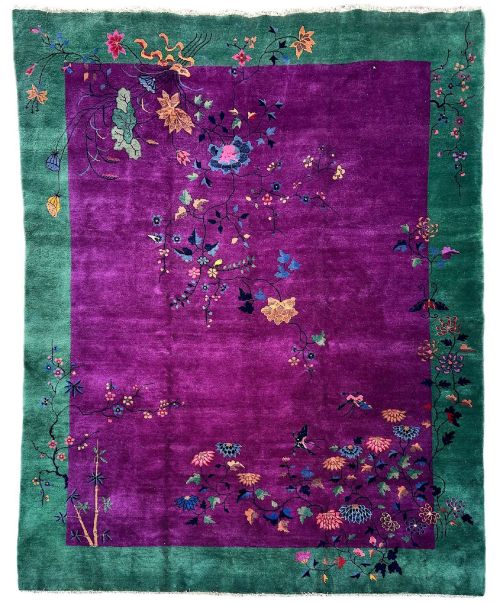
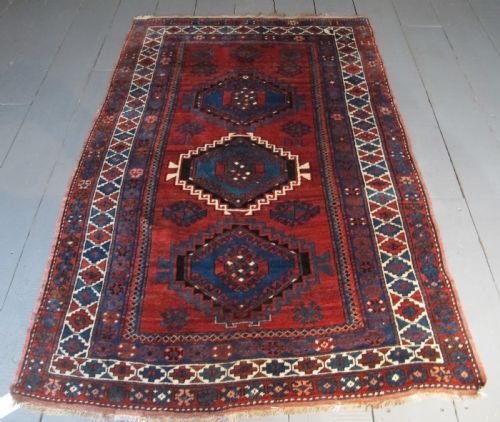
A 1930s oriental carpet encompasses hand-knotted and flatwoven floor coverings originating from Persia, Turkey, the Caucasus, Central Asia, and China during the early decades of the twentieth century. These pieces display diverse regional patterns, ranging from classical Persian medallions to geometric tribal lattices and distinctive Art Deco compositions.
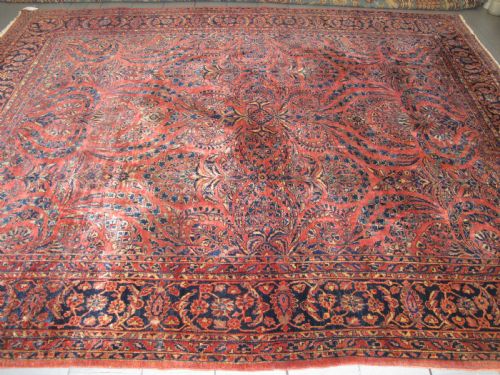
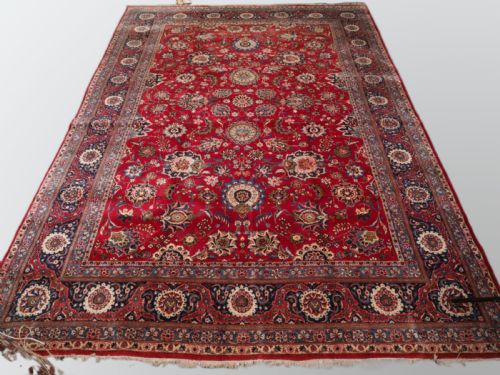
Buyers encountering this search phrase will most frequently discover room-sized Persian carpets from major weaving centres such as Tabriz, Sarouk, Isfahan, Nain, Kashan, and Bakhtiari, alongside smaller nomadic or village rugs from Turkmen, Baluch, and Anatolian traditions. These textiles served both practical insulating purposes in homes and decorative functions as focal points of interior design.
The aesthetic of a 1930s oriental carpet bridges traditional ethnic motifs with the emerging decorative tastes of the interwar period. Surviving examples demonstrate how weavers adapted centuries-old symbolism for contemporary domestic spaces without losing their regional integrity.
How they were made
Makers constructed these rugs and carpets primarily using wool foundations and pile, often incorporating cotton for warps and wefts to provide structural stability. Certain regional pieces utilise camel wool for natural warmth and un-dyed colour variation, while others employ silk highlights or full art silk constructions to add luminosity.
Weavers utilised traditional hand-knotting and flatweaving techniques, such as the kilim method, executed on vertical or horizontal looms. Mixed techniques appear in specific nomadic prayer rugs, combining pile and flatweave sections within a single textile.
Dyeing methods combined traditional natural ingredients with early synthetic dyes stable enough to retain their depth over decades of light exposure. The resulting palettes range from soft reds and earthy tones to vibrant multi-coloured geometric contrasts.
1930s Oriental Carpet Retail Price Guide 2026
Typical asking prices for 1930s oriental carpet among the pieces listed under this phrase on Sellingantiques today, from the lower quarter to the upper quarter. They describe what is for sale here now, not the wider market.
Listings include both city workshop carpets with intricate floral designs and nomadic tribal rugs featuring bold geometric lattices.
What varies in quality
Knot density and structural tightness dictate the fineness of the work, separating grand city carpets from coarser tribal pieces. Higher knot counts allow for intricate curvilinear floral medallions and precise rendering of traditional motifs.
The choice of materials influences the tactile and visual grade of each piece, distinguishing standard wool piles from those enriched with silk highlights or fine art silk. Pure camel wool and Mercerised cotton introduce distinct textures that alter the handle and sheen of the surface.
Design execution and symmetry set exceptional workshop pieces apart from standard village productions. Master weavers working in established centres achieved balanced compositions and harmonious colour distribution that elevated domestic floor coverings into works of textile art.
Benlian
The 1930s Oriental Carpet Glossary
- Medallion
- A central ornamental motif, often oval or polygonal, placed in the middle of a carpet field. This design element dominates the composition in many Persian workshop rugs.
- Kilim
- A flatwoven tapestry rug made without a pile, produced across Anatolia, the Caucasus, and Persia. These textiles rely on slit-weave techniques to form sharp geometric patterns.
- Warp
- The vertical threads stretched lengthwise on the loom before weaving begins. The fringes of a finished carpet are formed by the exposed ends of these threads.
- Weft
- The horizontal threads passed back and forth across the warp to bind the knots in place. They determine the firmness and flexibility of the carpet structure.
- Art silk
- A term used for artificial silk, such as mercerised cotton or early synthetic substitutes, employed to create lustrous highlights within a pile. It mimics the sheen of natural silk at a different cost.
1930s Oriental Carpet: Frequently Asked Questions
How do I clean a 1930s oriental carpet?
Regular gentle vacuuming without a rotating beater bar prevents dust accumulation in the pile. Professional specialist cleaning remains essential for deep maintenance to protect natural wool and silk fibres.
Avoid chemical spot treatments or excessive water immersion, which can damage foundation threads and cause dye migration. Prompt attention to spills by blotting with a clean cloth preserves the integrity of the weave.
Where should I place my carpet?
These carpets suit living rooms, studies, and bedrooms where foot traffic remains moderate. Placing them away from direct, harsh sunlight prevents the fading of natural and early synthetic dyes.
Using a quality underlay beneath the carpet prevents slipping and reduces friction between the fibres and hard flooring. This simple addition extends the working life of the textile significantly.
How do I identify regional styles?
Regional attribution relies on examining specific design vocabularies, border structures, and colour palettes. Persian workshop pieces often display intricate floral medallions, while Caucasian and Turkmen rugs favour geometric lattice patterns and tribal symbols.
Material choices also offer clues, as certain nomadic groups utilised local camel wool or mixed flatweave techniques unique to their heritage. Comparing the knotting style helps confirm the geographical origin.
Are these carpets suitable for daily use?
Wool and cotton carpets from this era were built to withstand domestic life, utilising durable natural materials. Regular use actually settles the pile and softens the handle of the textile over time.
Delicate silk highlights or art silk pieces require slightly more mindful placement to avoid heavy wear areas. Proper rotation ensures even distribution of foot traffic across the surface.