
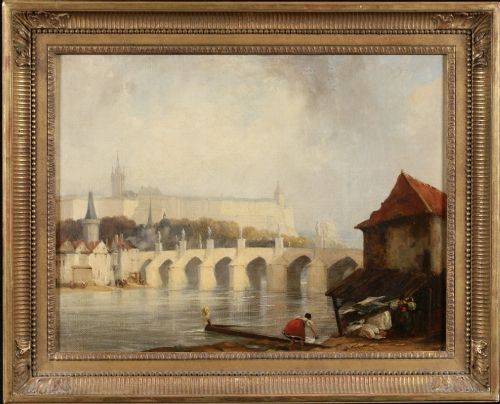


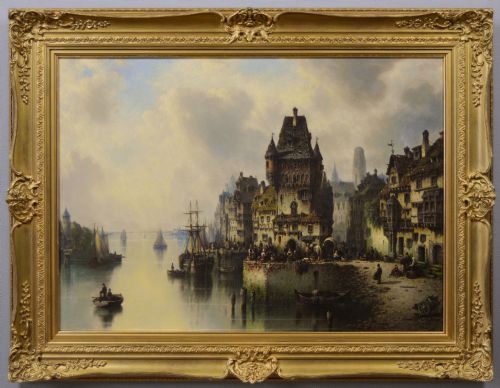

Romantic Scene Artwork
Romantic scene artwork brings pastoral landscapes, coastal paths and figure compositions into a room through oil and watercolour.
Romantic Scene Artwork
Romantic scene artwork encompasses oil paintings, watercolours and charcoal drawings depicting landscapes, coastal paths, genre subjects and historical narratives. These works span the nineteenth century, including Georgian, Regency, Victorian and Edwardian periods, executed by British, French, Austrian and Italian artists.
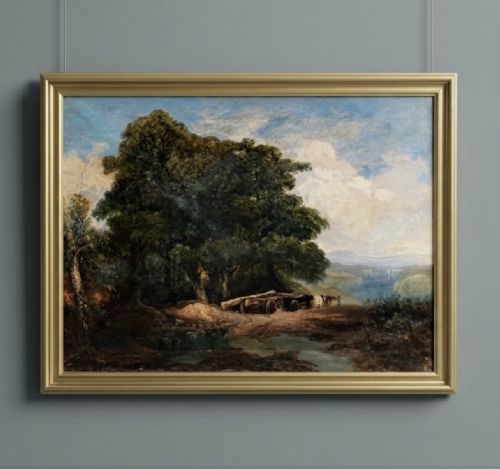
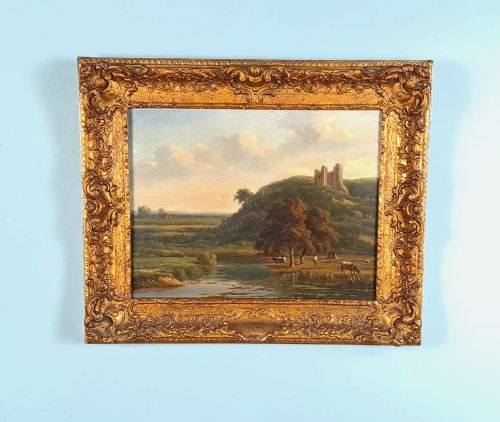
Buyers encounter oil paintings on canvas or board alongside delicate watercolours on paper, often housed in period frames of giltwood and gesso. The subjects range from expansive Alpine mountain views and Scottish highlands to intimate interior genre scenes and busy continental harbours.
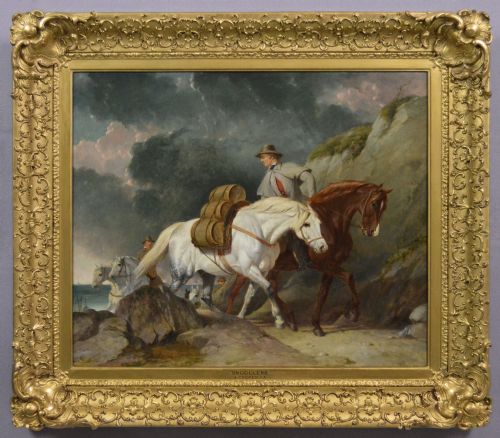
The aesthetic leans towards atmospheric lighting, dramatic coastal smugglers, woodland paths and pastoral serenity. These pieces offer a window into nineteenth-century artistic interpretations of nature, history and human interaction.
Materials and technique
Artists built these compositions primarily using oil paint on stretched canvas or wooden board, while others utilised watercolour on paper. The application of pigment relies on layered brushwork to capture atmospheric effects in landscapes, coastal scenes and figure subjects.
Frames play a structural and aesthetic role, constructed from wood finished with gesso and giltwood details. These frames range from large square mouldings to ornate antique surrounds that complement the canvas or paper within.
Materials recorded across the inventory include canvas, wood, paper, oil paint, gesso and giltwood.
Assessing quality
Quality rests upon the confidence of the brushwork, the handling of light and shadow, and the depth of the composition. Stronger works demonstrate assured draughtsmanship in figures and naturalism in landscape elements.
The preservation of the original medium, whether oil on canvas or watercolour on paper, alongside the integrity of the period frame, influences the standing of the piece. Masterful control of atmosphere distinguishes notable nineteenth-century paintings from standard decorative examples.
Richard Sebastian Bond·Abraham Cooper RA·T C Hofland·Charles Zacharie Landelle·Willem Johannes Martens·Ludwig Hermann·James Ward·James Bertrand·Leon Girardet·Belisario Gioja·Eugene Verboeckhoven·George Cattermole
The Romantic Scene Artwork Glossary
- Giltwood
- Wood carved and covered with a thin layer of gold leaf or metallic powder. It provides the decorative finish for many antique picture frames.
- Gesso
- A plaster-like mixture applied to wood frames as a base for gilding or painting. It allows craftsmen to carve intricate relief ornamentation.
- Genre scene
- A painting depicting aspects of everyday life, often featuring figures in domestic, historical or outdoor settings. These works focus on human narratives rather than pure landscape.
- Watercolour
- A painting method in which the paints are made of pigments suspended in a water-based solution. It is typically executed on paper supports.
Romantic Scene Artwork: Frequently Asked Questions
What subjects appear in nineteenth-century romantic art?
These works feature a diverse range of subjects, including pastoral landscapes, coastal paths with smugglers, Alpine mountain views and historical genre scenes.
Artists also recorded architectural townscapes, woodland interiors and intimate character studies involving figures in period attire.
How do I care for antique oil paintings?
Keep paintings away from direct sunlight, extreme temperature fluctuations and high humidity to protect the canvas and pigment layers.
Dust the surface and frame gently with a soft, dry brush without applying pressure to the paint or giltwood.
Are watercolours framed differently from oil paintings?
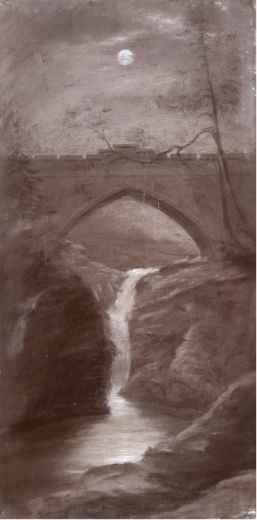
Watercolours on paper require framing behind glass to shield the delicate medium from moisture, dust and atmospheric pollutants.
Oil paintings on canvas or board are typically displayed unglazed, allowing the textured surface of the pigment to remain visible.
How can I identify the period of a frame?
Period frames often display traditional construction methods, hand-applied gesso and hand-carved giltwood details consistent with nineteenth-century manufacturing.
The weight of the wood, the type of joinery at the corners and the ageing of the metallic leaf provide clues to the age.