


Romantic Era Landscape Painting
A romantic era landscape painting captures the emotional intensity of nature, offering dramatic skies, sweeping vistas and quiet pastoral scenes.
What They Are
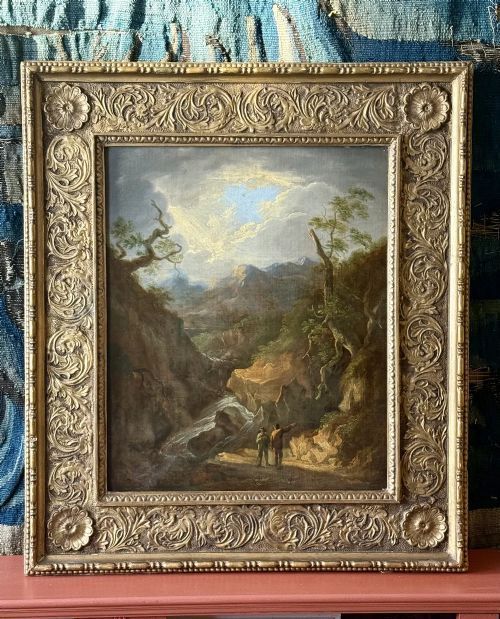
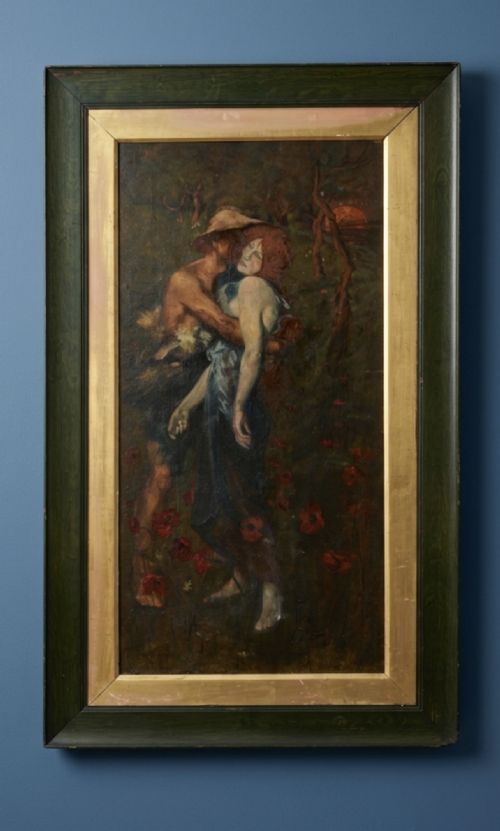
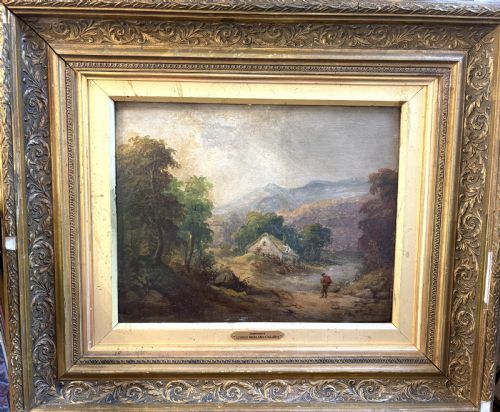
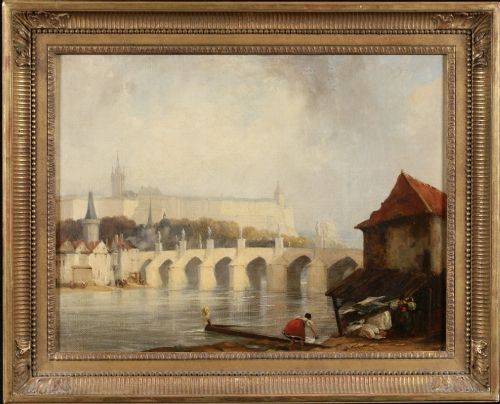
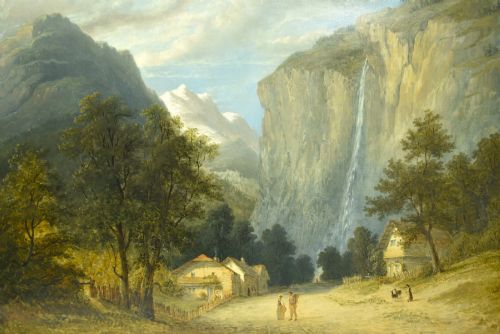
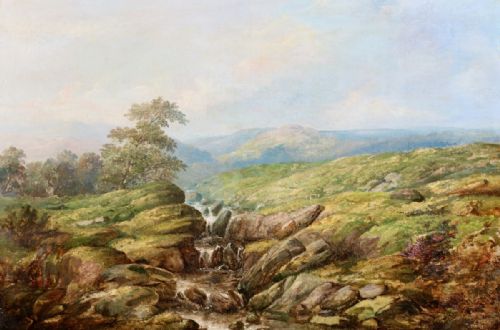
A romantic era landscape painting brings the sublime and picturesque directly into your room through dramatic depictions of nature, architecture and wildlife. These works range from expansive continental vistas to Scottish scenes and quiet woodland views.
You will most frequently encounter nineteenth century works rendered in oil on canvas, often housed within their original gilt frames. Subjects vary from moonlight over lochs and ancient abbeys to tranquil lakes and grazing sheep.
The aesthetic prioritises mood, atmospheric lighting and emotional resonance over strict topographical accuracy. Painters of this period use scale and shadow to draw the viewer into the depicted terrain.
How They Were Made
Artists utilise oil paint applied to woven canvas surfaces to build depth, texture and luminous atmospheric effects. Pigments are layered to capture shifting light across water, foliage and distant mountains.
Frames are constructed from wood and embellished with gesso before receiving a gilt finish. These decorative surrounds often complement the scale and period of the artwork they enclose.
Retail Price Guide 2026
Typical UK retail prices for romantic era landscape painting, calculated from the Sellingantiques database of over a million retail prices indexed since 2003. This retail price guide relies exclusively on Sellingantiques data; no external sources or auction records are used, so the figures do not describe the wider market.
Several sheep quietly graze their way through the nineteenth century, apparently undisturbed by the dramatic skies above them.
What Varies in Quality
The handling of light and atmospheric depth distinguishes superior compositions from more routine works. Masterful brushwork creates convincing movement in foliage, water and clouds.
The integrity and preservation of the original canvas and giltwood frame contribute significantly to the standing of a piece. Retaining the authentic period surround enhances the historical context of the painting.
James Bell Anderson·William Noble Hardwick·Robert Thomas Buttery·Eugene Verboeckhoven
The Romantic Era Landscape Painting Glossary
- Oil on Canvas
- Pigments mixed with a drying oil applied to a stretched woven fabric support. This combination allows for rich colour blending and lasting durability.
- Giltwood
- Wood carved and coated with gold leaf or a metallic substitute. It provides a reflective, ornate border that isolates the painting from the surrounding wall.
- Gesso
- A plaster mixture applied to wooden frames as a smooth base for gilding. It enables crisp moulding and detail work.
- Continental School
- Artworks produced by European painters outside of Britain, often reflecting distinct regional training and landscape traditions. These pieces showcase varied approaches to romanticism.
Frequently Asked Questions
How do I identify a nineteenth century landscape?
Look for stylistic markers such as dramatic skies, emotional engagement with nature and painterly brushwork typical of the period. The choice of subjects like ancient abbeys and moonlight scenes also points to this era.
Examine the materials used for the canvas and stretcher, along with any accompanying framing. Older canvases often show characteristic ageing in the oil paint layer.
Are these paintings usually framed?
Many works retain their original gilt or wooden frames, which are integral to the presentation of the artwork. These surrounds often feature gesso ornamentation characteristic of the period.
Checking the fit and age of the frame helps determine if it has accompanied the canvas throughout its history.
What subjects are most common?
Common subjects include pastoral scenes with grazing sheep, woodland interiors, Scottish lochs and continental lakes. Artists frequently incorporated architectural elements like castles or abbeys to add scale and narrative.
These motifs reflect the romantic fascination with history, solitude and the sublime power of the natural world.
How should I care for an oil painting?
Keep the artwork away from direct sunlight and steady extreme fluctuations in temperature and humidity to protect the canvas and paint layers. Dust the surface gently with a soft, dry brush without applying pressure.
Avoid using liquid cleaners or touching the painted surface directly with bare hands.