





Rococo Wood Dresser
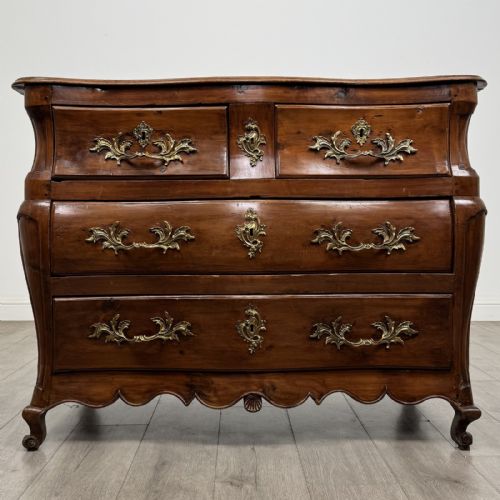
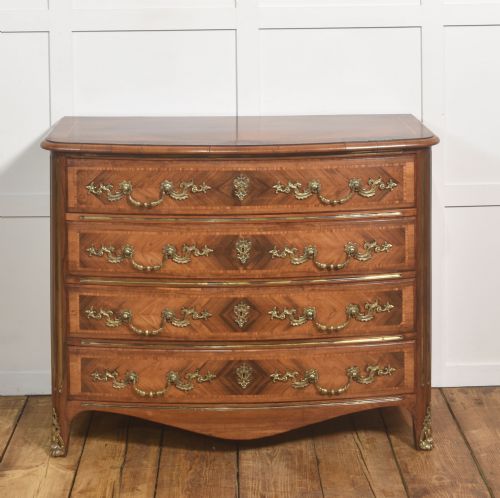
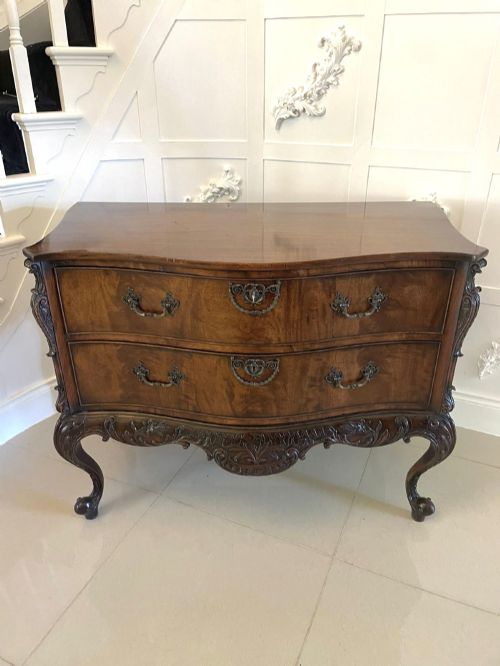
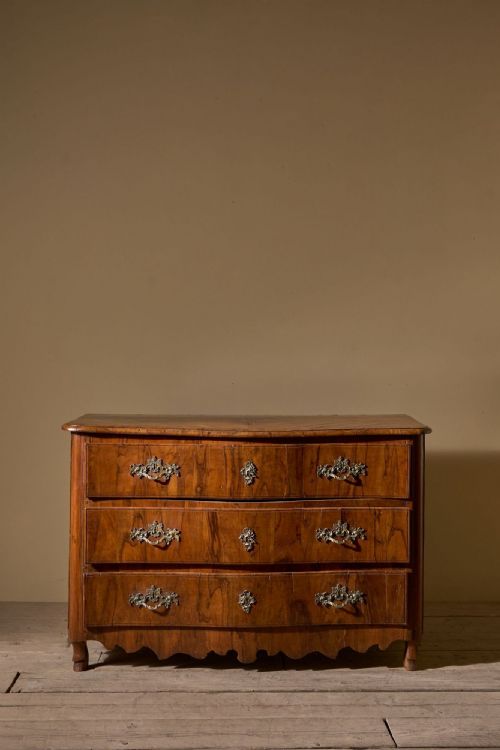
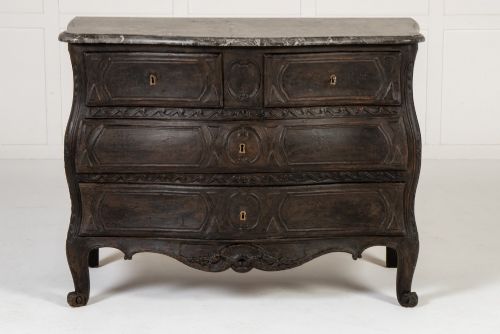
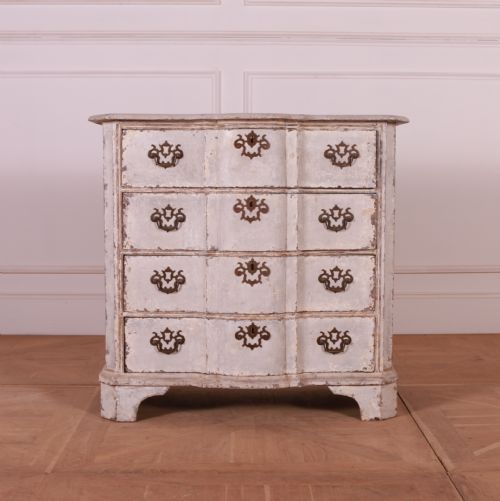
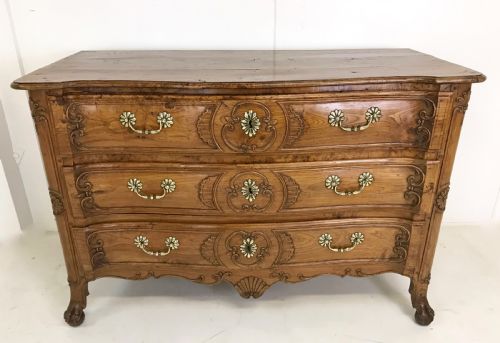
These rococo wood dresser pieces bring fluent, organic curves and rich timber grain to an interior.
Rococo Wood Dresser
A rococo wood dresser typically takes the form of a serpentine or bombe chest of drawers, commode, or sideboard rather than a traditional kitchen dresser. These statement storage pieces originate from European centres including France, Italy, Sweden, the Netherlands, and Malta across the eighteenth and nineteenth centuries.
The aesthetic draws heavily on Louis XV style and regional revivals, prioritising fluid lines and asymmetrical ornamentation over rigid geometry. Buyers encounter examples executed in native fruitwoods, exotic veneers, and painted finishes, often topped with marble or fitted with brass hardware.
Materials and construction
Cabinet makers utilised dense hardwoods and decorative veneers such as figured mahogany, walnut, kingwood, olive wood, and burr ash over solid carcass timbers like oak. These woods were selected for their capacity to take deep polish or provide stable grounds for intricate marquetry.
Mastering the bombe profile required advanced joinery techniques, steaming and bending timber to achieve outward-swelling curves on the front and sides. Surfaces were shaped by hand to create the characteristic undulating contours associated with the style.
Rococo Wood Dresser Retail Price Guide 2026
Typical asking prices for rococo wood dresser among the pieces listed under this phrase on Sellingantiques today, from the lower quarter to the upper quarter. They describe what is for sale here now, not the wider market.
Venetian scenes hand-painted onto eighteenth century style commodes let you own a crumbling palazzo view without booking a flight.
Evaluating the craftsmanship
Quality rests in the precision of the serpentine or bombe shaping and the fluidity of the carved or inlaid ornament. Superior pieces display seamless veneer matching across undulating drawer fronts and harmonious proportions that respect the structural integrity of the carcass.
The refinement of secondary details distinguishes the workshop output, from the crispness of hand-cut marquetry to the weight and articulation of original brass mounts. Timber selection plays a primary role, with dense burrs and well-figured grains elevating the visual depth of the piece.
The Rococo Wood Dresser Glossary
- Bombe
- A bulging, swelling contour found on commodes and chests of drawers where the vertical sides curve outward. This complex shape requires sophisticated carpentry to construct without warping.
- Serpentine
- A furniture front or top shaped with a convex centre flanked by concave curves, creating a gentle wave effect. It provides dynamic movement to eighteenth and nineteenth century case pieces.
- Commode
- A low chest of drawers or cabinet originating in France, functioning primarily as a decorative storage piece for the drawing room or bedroom. They frequently feature marble tops and elaborate veneering.
- Marquetry
- The art of applying small pieces of veneer to a structural panel to form decorative patterns or pictorial scenes. Craftsmen used contrasting timbers to achieve tonal shading.
- Fruitwood
- Timber harvested from fruit-bearing trees such as pear, apple, or cherry, prized by cabinet makers for its fine, dense grain and warm domestic character.
Rococo Wood Dresser: Frequently Asked Questions
What is a bombe commode?
A bombe commode is a low storage chest characterised by rounded, outward-swelling sides and fronts. This dramatic silhouette became a hallmark of continental furniture design.
Craftsmen achieved these rolling contours through specialised shaping of the timber carcass. The form demands exceptional skill to ensure the drawers operate smoothly within curved framing.
How do I style a marble top commode?
A marble top commode serves as a striking focal point in a hallway, living room, or bedroom. The stone surface offers durability while introducing a classical element.
Keep surrounding decor relatively uncluttered to let the timber grain and serpentine lines command attention. Avoid placing heavy or damp items directly on antique marble surfaces.
Are these pieces eighteenth century?
Many examples date directly from the eighteenth century, originating across France, Italy, and the Netherlands. Later pieces from the nineteenth century revive these specific continental styles.
Examination of construction marks, timber shrinkage, and interior drawer construction helps clarify the manufacturing era. Regional variations in wood selection also indicate the likely place of origin.
How do I care for antique wood furniture?
Maintain stable indoor humidity levels and keep antique wooden furniture away from direct heat sources or strong sunlight. Sudden environmental changes can cause timber and veneer to split.
Dust regularly with a soft, dry cloth and apply specialist wax sparingly when the surface appears dry. Avoid modern silicone-based polishes that can permanently alter the patina.