

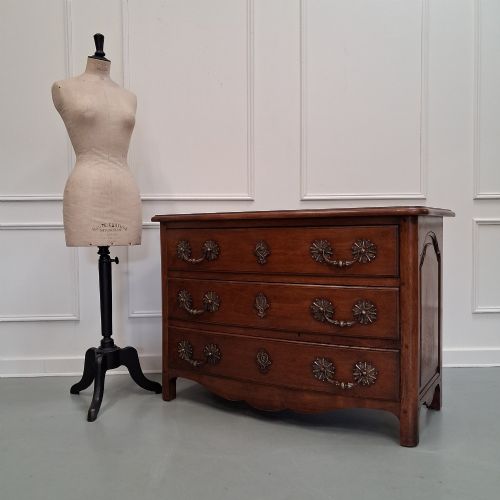
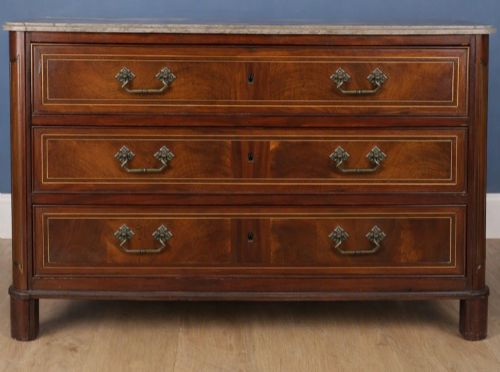
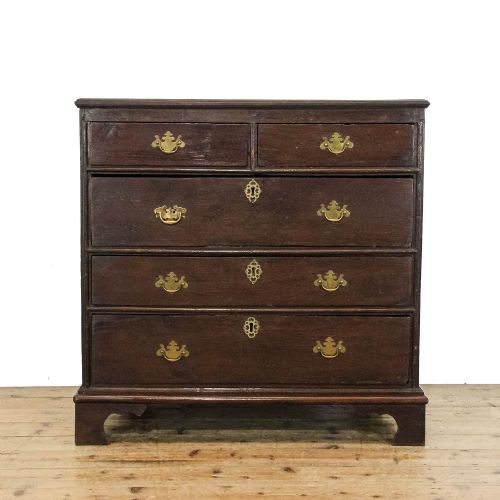
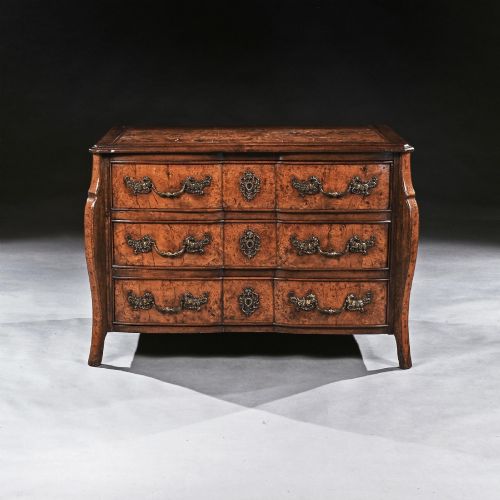



Three Drawer Provincial Commode
A three drawer provincial commode is a practical storage piece built for country homes, offering deep drawers and regional character.
Three Drawer Provincial Commode
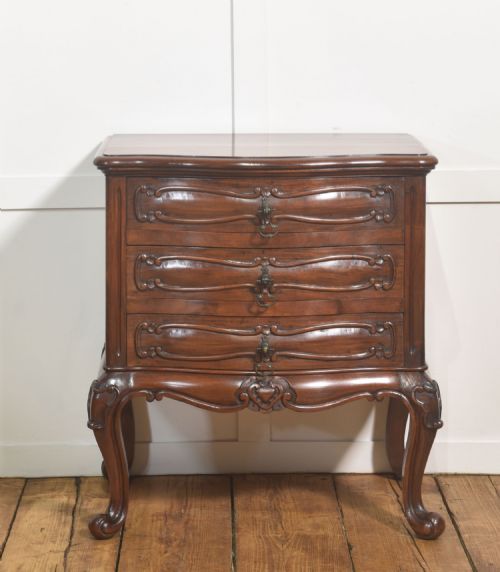
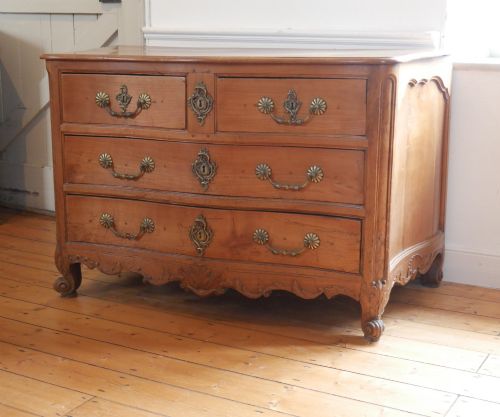
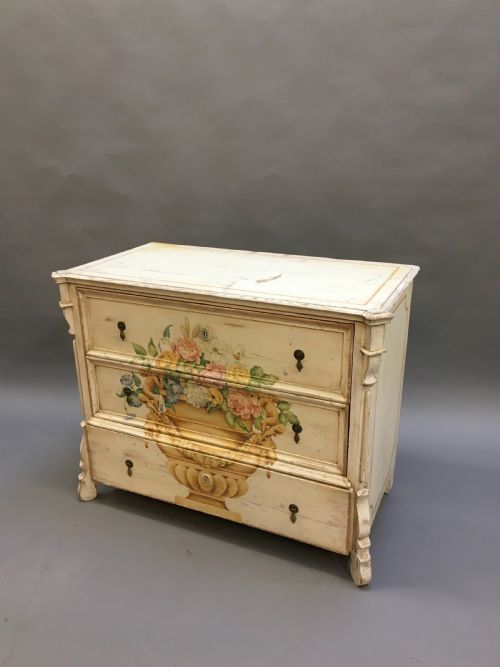
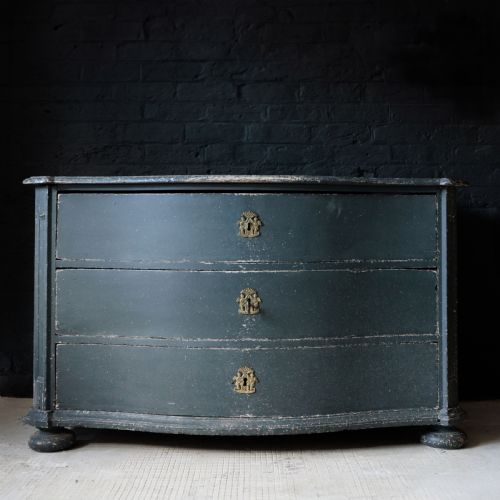
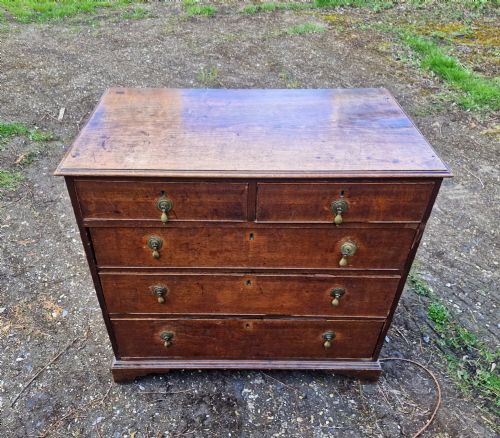
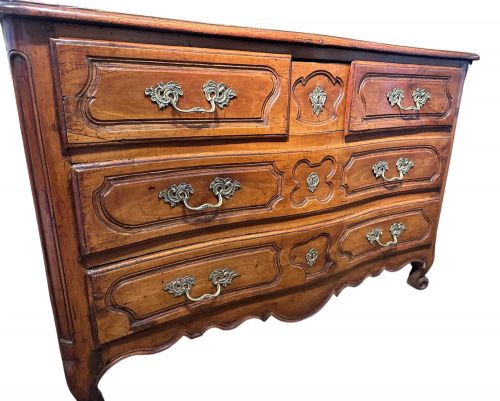
A three drawer provincial commode is a low storage chest designed outside major metropolitan centres, primarily found in regional styles such as French Provincial and Georgian. Buyers hunting for this phrase encounter solid timber case pieces ranging from eighteenth-century walnut and cherrywood examples to later oak and painted variants.
Origins span across French, Italian, and British workshops, reflecting local vernacular tastes rather than strict court designs. Eighteenth-century pieces share space with nineteenth-century interpretations and early twentieth-century revival works.
Materials and construction
Cabinetmakers relied heavily on regional hardwoods, using oak, walnut, cherrywood, elm, and chestnut for structural stability and rich surface grain. These timbers were often joined using traditional hand-cut methods suited to local workshop traditions.
Surfaces received various treatments, including natural waxing, liming, bleaching, or painted finishes overlaid with decorative details. Brass hardware frequently secured the drawer fronts, while select pieces incorporated marble tops for added durability.
Three Drawer Provincial Commode Retail Price Guide 2026
Typical asking prices for three drawer provincial commode among the pieces listed under this phrase on Sellingantiques today, from the lower quarter to the upper quarter. They describe what is for sale here now, not the wider market.
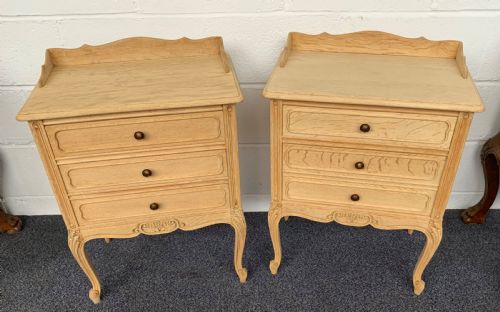
Several pieces arrive with scrubbed oak surfaces that look ready for a farmhouse kitchen.
What separates examples
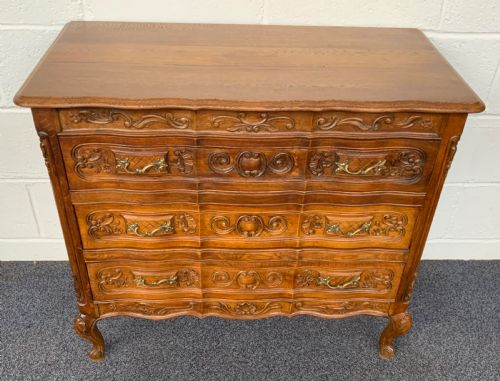
Quality rests in the harmony of timber selection, the crispness of hand-carved details, and the integrity of the original construction. Superior pieces display thoughtful grain matching across the drawer fronts and well-proportioned serpentine or bombe shaping.
Later or lesser examples may exhibit heavier proportions, routine joinery, or replacement hardware that alters the historical balance of the piece. The depth of the carved ornamentation and the preservation of original painted or bleached surfaces further distinguish the tier of craftsmanship.
The Three Drawer Provincial Commode Glossary
- Commode
- A low chest of drawers or cabinet originating in France, designed for domestic storage and often placed in bedrooms or parlours. The term covers various timber and painted forms.
- Serpentine
- A front contour characterised by a concave central section flanked by two convex ends, creating a gentle undulating wave. This shape requires advanced woodworking skill.
- Bombe
- A swelling, outward-curving profile on the front and sides of a piece of furniture, typical of eighteenth-century continental cabinetmaking. It demands complex joinery to maintain structural integrity.
- Provincial
- Describing furniture made in regional areas rather than capital cities, often showing local timber choices and rustic interpretations of high-style designs. These pieces emphasise utility alongside regional charm.
- Bleached oak
- Oak timber treated to lighten its natural colour, producing a pale, scrubbed finish popular in twentieth-century interpretations of older furniture. This treatment highlights the open grain of the wood.
Three Drawer Provincial Commode: Frequently Asked Questions
What is a three drawer provincial commode?
A three drawer provincial commode is a regional storage chest featuring three horizontal drawers, constructed outside major urban centres in woods like oak, walnut, and cherrywood.
These pieces reflect local design traditions across France, Italy, and Britain, balancing practical domestic storage with distinct stylistic shaping.
How were these commodes used originally?
They served primarily as bedroom or parlour storage units for clothing, linens, and personal belongings.
The sturdy top surface also functioned as a display area for lighting, mirrors, or decorative objects within the home.
How do I date a provincial commode?
Dating relies on examining the timber species, construction joinery, hardware types, and overall stylistic influences such as Louis XV or Georgian.
Eighteenth-century examples typically show hand-cut joinery and period timbers, whereas later nineteenth and twentieth-century items reflect revival trends and altered surface treatments.
Where should I place a commode at home?
A provincial commode fits naturally in a hallway, bedroom, or living room as a focal storage unit.
Its relatively compact height allows the top surface to hold lamps, art, or everyday items while keeping contents hidden below.