


Rococo Walnut Writing Bureau
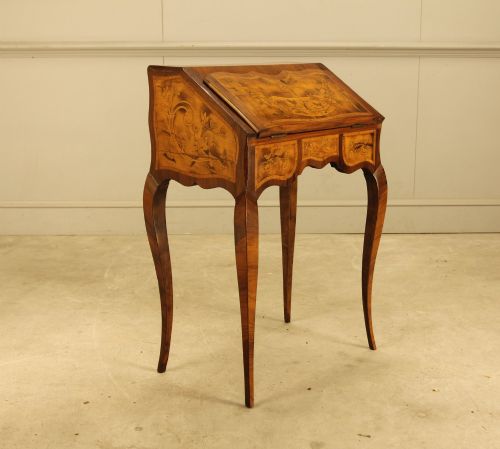
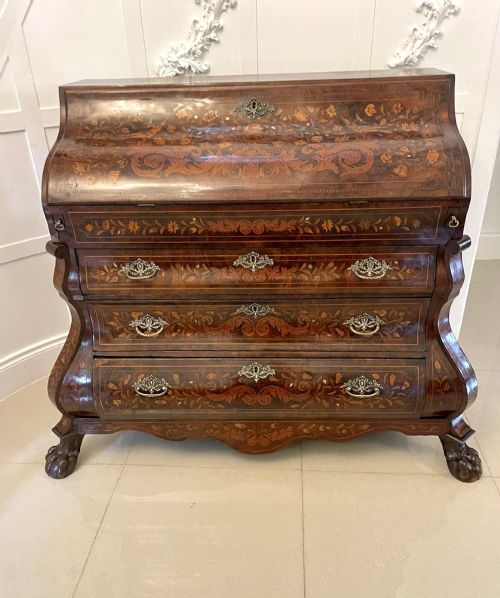
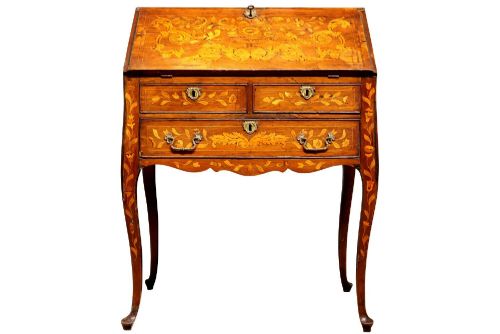
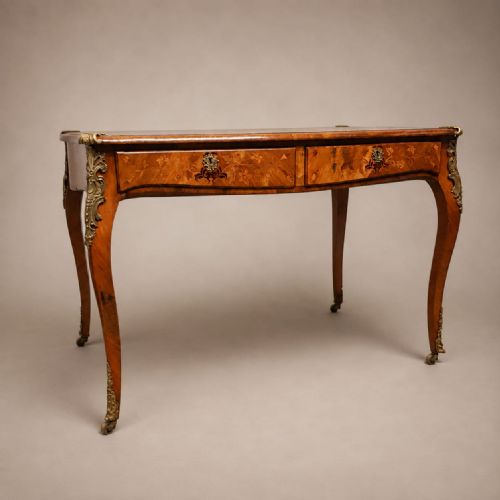
A rococo walnut writing bureau brings curving woodwork and intricate marquetry into a room, serving as both a functional writing place and a substantial decorative centrepiece.
Rococo Walnut Writing Bureau
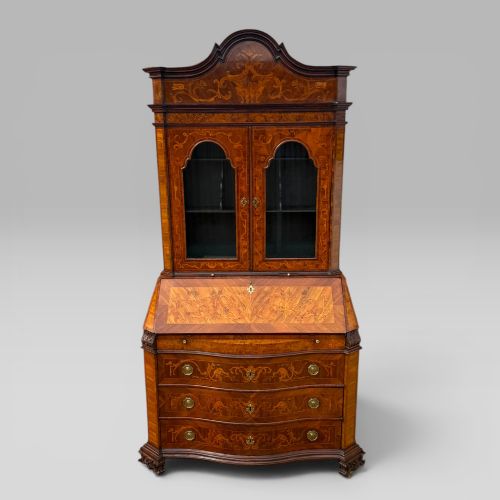
A rococo walnut writing bureau combines a sloping fall-front desk with internal compartments, often rising into taller bookcase or cabinet formats seen in 18th century examples. The inventory frequently includes pieces from the 18th century, alongside Victorian revivals and later interpretations spanning the 19th century.
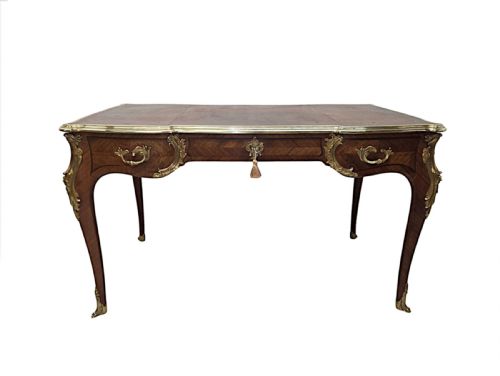
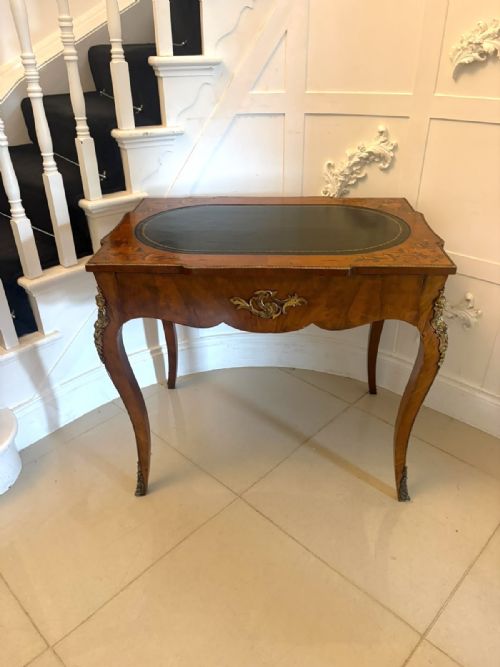
Regional variations shape the selection, with Dutch and Italian Venetian pieces displaying elaborate floral marquetry, whilst French examples lean towards bureau plat desks and ladies desks adorned with ormolu mounts. Bombe shaped profiles and double dome bookcase tops appear among the continental pieces.
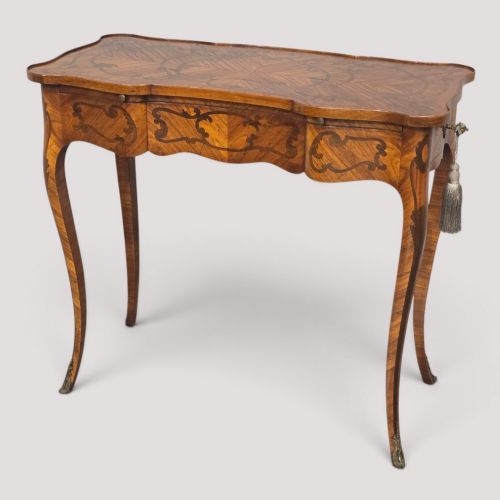
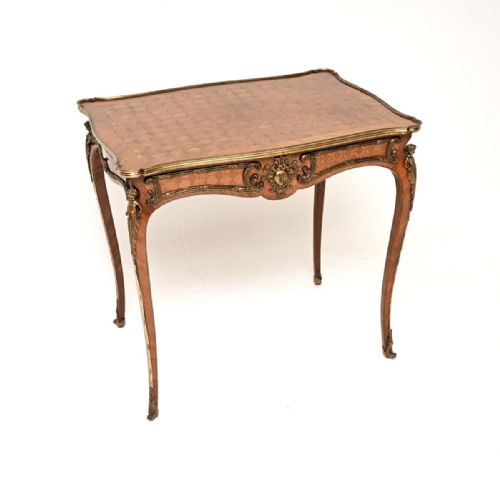
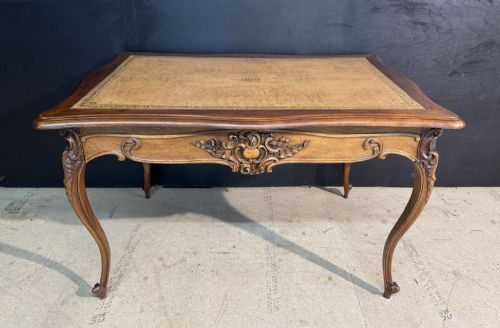
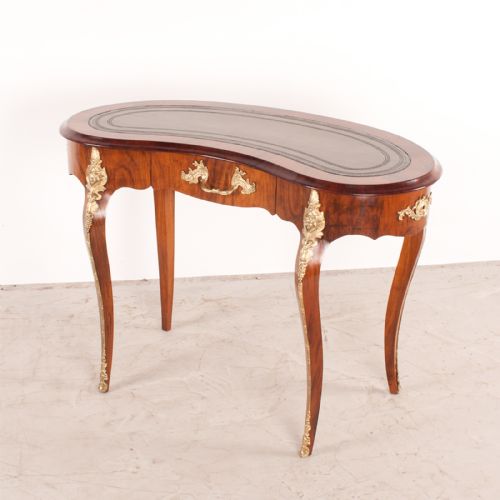
Desks and writing tables without the traditional sloping lid also represent the style, bringing similar walnut timbers and marquetry decoration into formats such as kidney shaped tables and freestanding centre tables.
Materials and Construction
Cabinet makers utilised solid walnut and burr walnut veneers, often enhanced with fruitwood, tulipwood, and kingwood to create intricate floral marquetry and parquetry patterns across the surfaces. Figured grain timber forms the visual foundation of these sloping fronts and tabletops.
Metal ornamentation plays a structural and decorative role, with brass, ormolu, and gilt bronze mounts framing corners, drawer edges, and cabriole legs. Leather inserts frequently provide the writing surface on bureau plat desks.
Some bureau interiors conceal secret compartments behind sliding pigeonhole panels, designed to guard private correspondence from curious eyes.
Assessing the Pieces
The density and movement of the burr walnut veneer, together with the precision of the floral marquetry inlay, separate standard production from exceptional work. Greater depth in the timber grain and more complex floral compositions indicate superior craftsmanship.
The quality of the cast bronze and ormolu mounts, alongside the finesse of the carving on the cabriole legs and bombe profiles, dictates the standing of each piece within the style.
Edwards and Roberts·Gillows
The Rococo Walnut Writing Bureau Glossary
- Bureau
- A sloping desk with a hinged flap that opens to reveal pigeonholes and small drawers. It often sits upon a chest of drawers or a cabinet base.
- Bureau Plat
- A freestanding writing table fitted with drawers beneath the top, lacking the rising superstructure of a bureau bookcase.
- Marquetry
- Decorative patterns formed by inserting pieces of contrasting veneer into a wood foundation. Floral motifs are particularly common on Dutch and Italian examples.
- Ormolu
- Gilt bronze mounts applied to furniture for decorative effect. They follow the curving lines typical of the style.
- Bombe
- A bulging or swelling contour on the front and sides of a cabinet or bureau. This shape requires advanced woodworking skill to achieve.
Rococo Walnut Writing Bureau: Frequently Asked Questions
What is a rococo walnut writing bureau?
A rococo walnut writing bureau is a sloping desk made from walnut timber, characterised by curving lines, asymmetrical ornamentation, and often detailed floral marquetry. These pieces combine practical storage with decorative writing surfaces.
Originating in continental workshops and later revived during the Victorian era, they range from compact ladies desks to tall bureau bookcases with double dome tops.
How do I identify an 18th century bureau?
Eighteenth-century examples display hand-cut dovetailing in the drawer construction and timber patination developed over centuries of use. The marquetry inlay uses natural wood variations rather than modern staining.
Continental pieces from this era frequently feature bombe profiles and intricate floral designs executed in fruitwoods and walnut veneers.
Where should I place a bureau plat?
A bureau plat is designed to stand free in the middle of a room rather than against a wall. Because the back is finished with the same attention as the front, it serves as a central desk.
Ensure there is sufficient clearance around the desk to pull out chairs and access any side drawers.
How do I care for walnut veneer?
Keep walnut furniture away from direct sunlight and heat sources to prevent the burr veneer from drying out and lifting. Dust regularly with a soft, dry cloth.
Apply occasional appropriate wax polish to nourish the timber without building up a heavy residue that dulls the grain.