




Rococo Style Wall Art
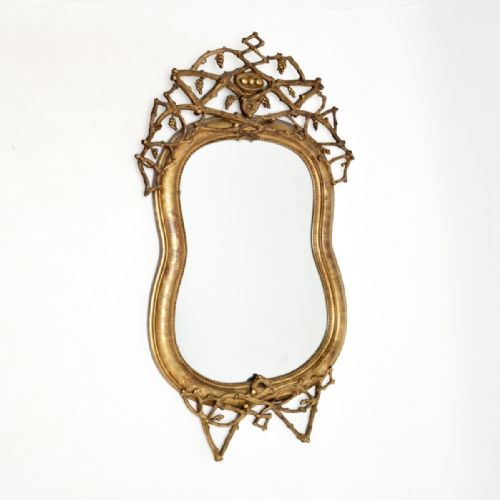
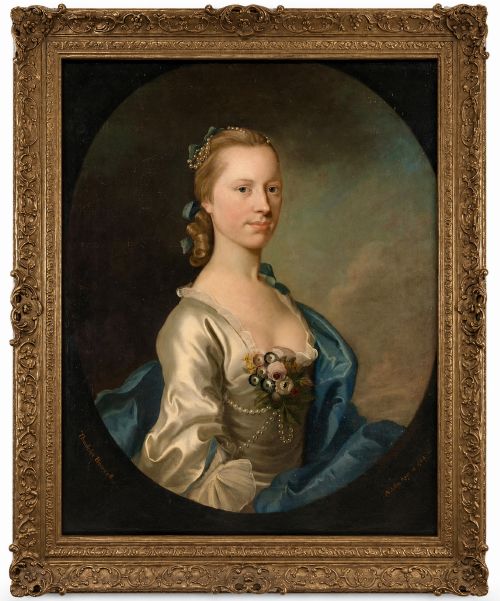
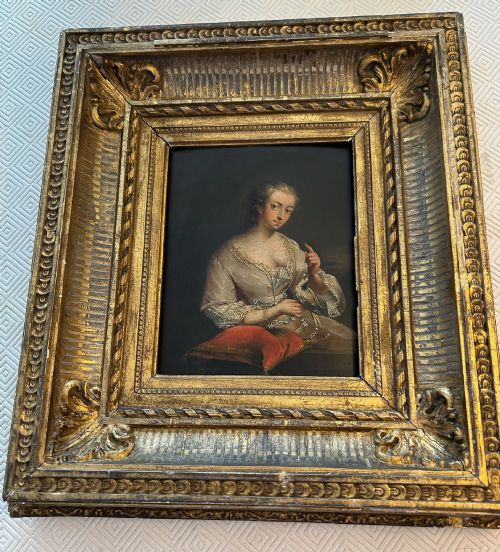
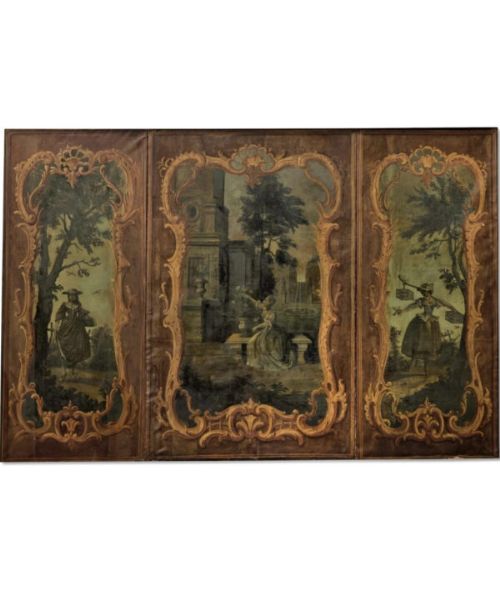
Rococo style wall art brings decorative oil paintings, tapestries and carved giltwood frames into a room with characteristic eighteenth-century flair.
Rococo Style Wall Art
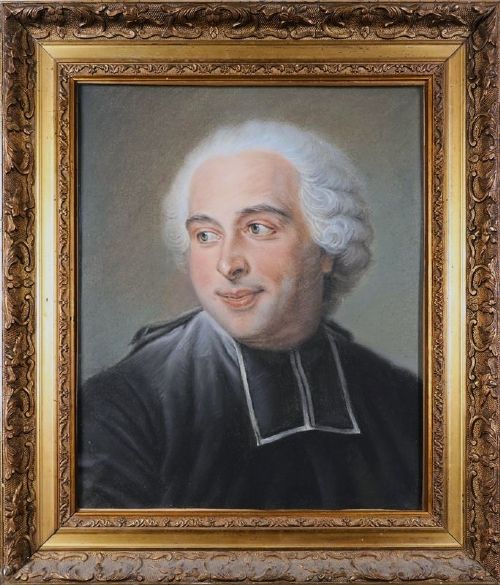
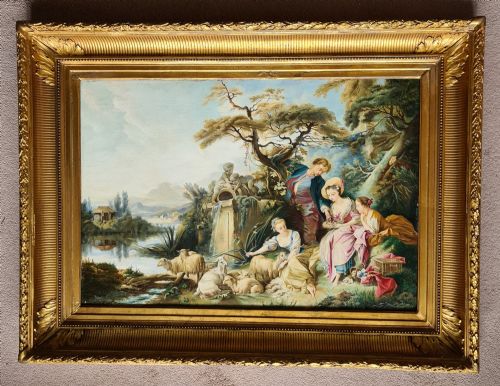
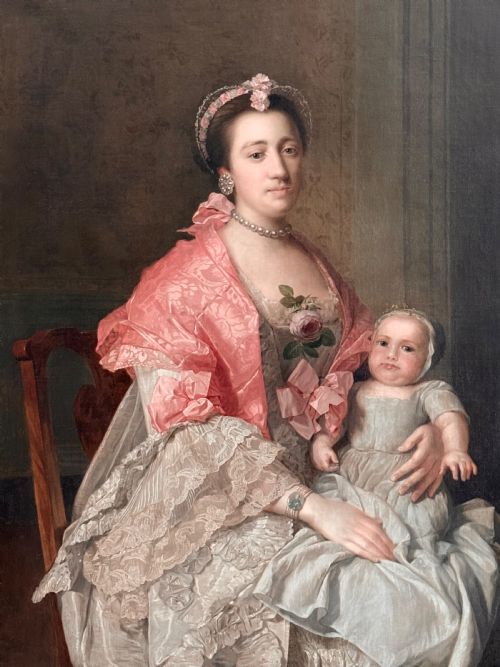
Rococo style wall art encompasses oil paintings, framed prints, tapestries and porcelain plaques originating predominantly from the eighteenth and nineteenth centuries. These pieces reflect historical periods such as Regency, Georgian and Victorian revivals alongside French Chateau aesthetics.
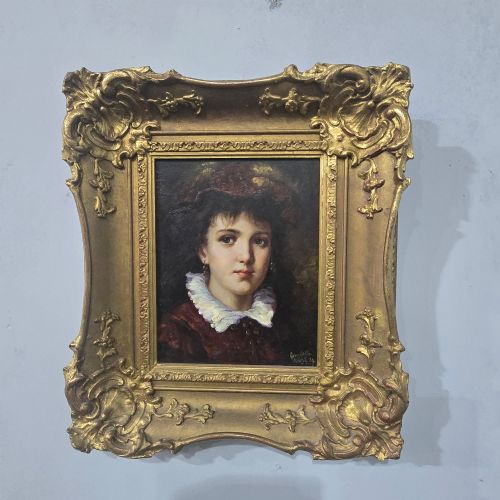
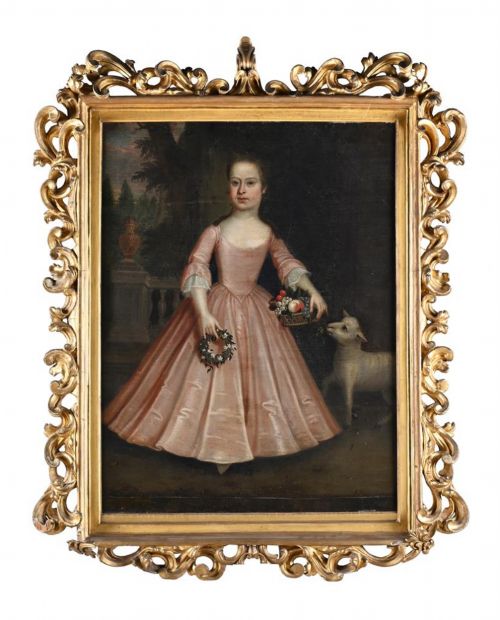
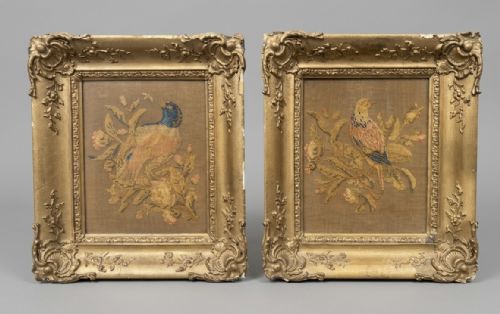
The most common formats found here are oil paintings on canvas depicting portraits, cherubs and pastoral scenes, frequently housed within ornate carved frames. Buyers encounter works from European schools, including Italian and French interpretations, alongside large textile panels and needlework pictures.
Materials and Techniques
Makers utilised oil paint on canvas or board to create detailed portraits and genre scenes, applying fine brushwork to capture figurative expressions and landscape settings. Tapestries and needlework pictures involved intricate textile stitching to build elaborate floral and figurative compositions.
Frames and decorative panels relied heavily on wood, gesso and giltwood, often carved deeply with sweeping scrollwork and gilded to achieve a brilliant metallic sheen. Porcelain plaques provided an alternative surface for painted details, mounted securely within carved wooden surrounds.
Several pieces capture courtiers playing chess and taking afternoon tea, proving that eighteenth-century aristocrats spent a lot of time indoors.
Assessing Quality and Execution
Physical framing and textile preservation also dictate standard. Carved gilt gesso and giltwood frames showing crisp, undiminished detailing elevate a piece, just as densely woven tapestries with vibrant retained thread colours outclass simpler printed alternatives.
Maurice Quentin de la Tour·Francois Boucher·Sir Allan Ramsay·Jean-Baptiste Greuze·Jean-Baptiste van Loo·Paul Schier·Jean-Antoine Watteau·Louis Leopold Boilly·Ernest Higgins Rigg·Marcel Brunery·Carlo Ferranti·Frederick Bartman·Charles Augustus Henry Lutyens·Japy Freres
The Rococo Style Wall Art Glossary
- Giltwood
- Wood that has been coated with a thin layer of gold leaf or gilt powder. This technique provides a bright, reflective finish typical of decorative frames.
- Gesso
- A plaster-like mixture applied to wood surfaces as a base for moulding and gilding. It allows craftsmen to carve intricate decorative relief patterns before applying gold leaf.
- Grisaille
- A painting executed entirely in monochrome shades of grey, neutral grey or blue. Artists often utilised this technique to imitate the appearance of stone sculptures or reliefs.
- Tapestry
- A form of textile art woven by hand on a loom, depicting pictorial scenes. Large examples served as wall hangings in grand interiors.
Rococo Style Wall Art: Frequently Asked Questions
What subjects appear in these paintings?
The subjects range from historical portraits of ladies, gentlemen and children to mythological figures and playful cherubs. Pastoral scenes, courtly gatherings and genre interiors also feature prominently across the canvas works.
Still life arrangements of garden roses and architectural views like Venetian canals complete the selection, reflecting diverse European artistic interests across different centuries.
How do I hang a heavy framed tapestry?
Large tapestries and heavy wooden frames require secure wall fixings distributed evenly across the structure to support the substantial weight of wood, canvas and gesso. Professional picture hanging hooks screwed directly into wall studs provide the necessary stability.
For textile panels, hanging sleeves or specialised wooden mounting battens help distribute tension uniformly along the top edge to prevent distortion of the fabric over time.
How can I tell an oil painting from a print?
Examining the surface closely under a magnifying glass reveals the texture of brushstrokes and the raised peaks of dried oil paint. Prints display a uniform dot matrix or flat ink application lacking physical dimension.
Canvas weave visibility around the edges and the presence of craquelure across older paint layers further indicate a traditional oil on canvas execution rather than a modern reproduction.
Where were these pieces displayed originally?
Many of these artworks originated in grand European salons, chateaux and townhouses where large tapestries and oil paintings decorated principal reception rooms. Framed mirrors and portraits served to enhance light and visual space in formal drawing rooms.
Smaller porcelain plaques and miniature paintings were often housed in private studies or intimate chambers, serving as personal decorative items for affluent households.