
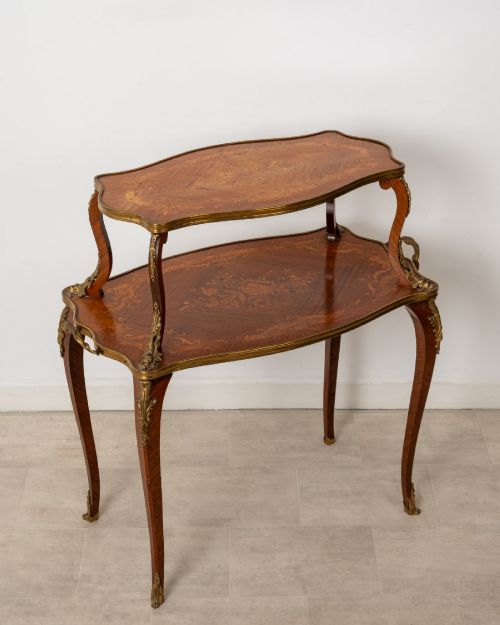
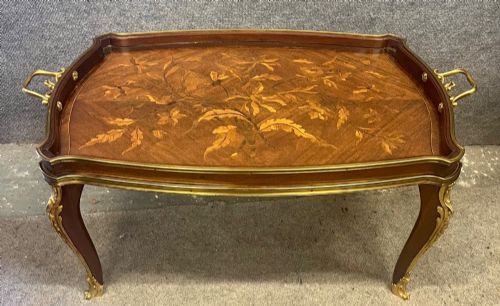


Rococo Style Tray
These rococo style tray pieces bring flamboyant 18th-century curves and ornate gilding straight into modern rooms.
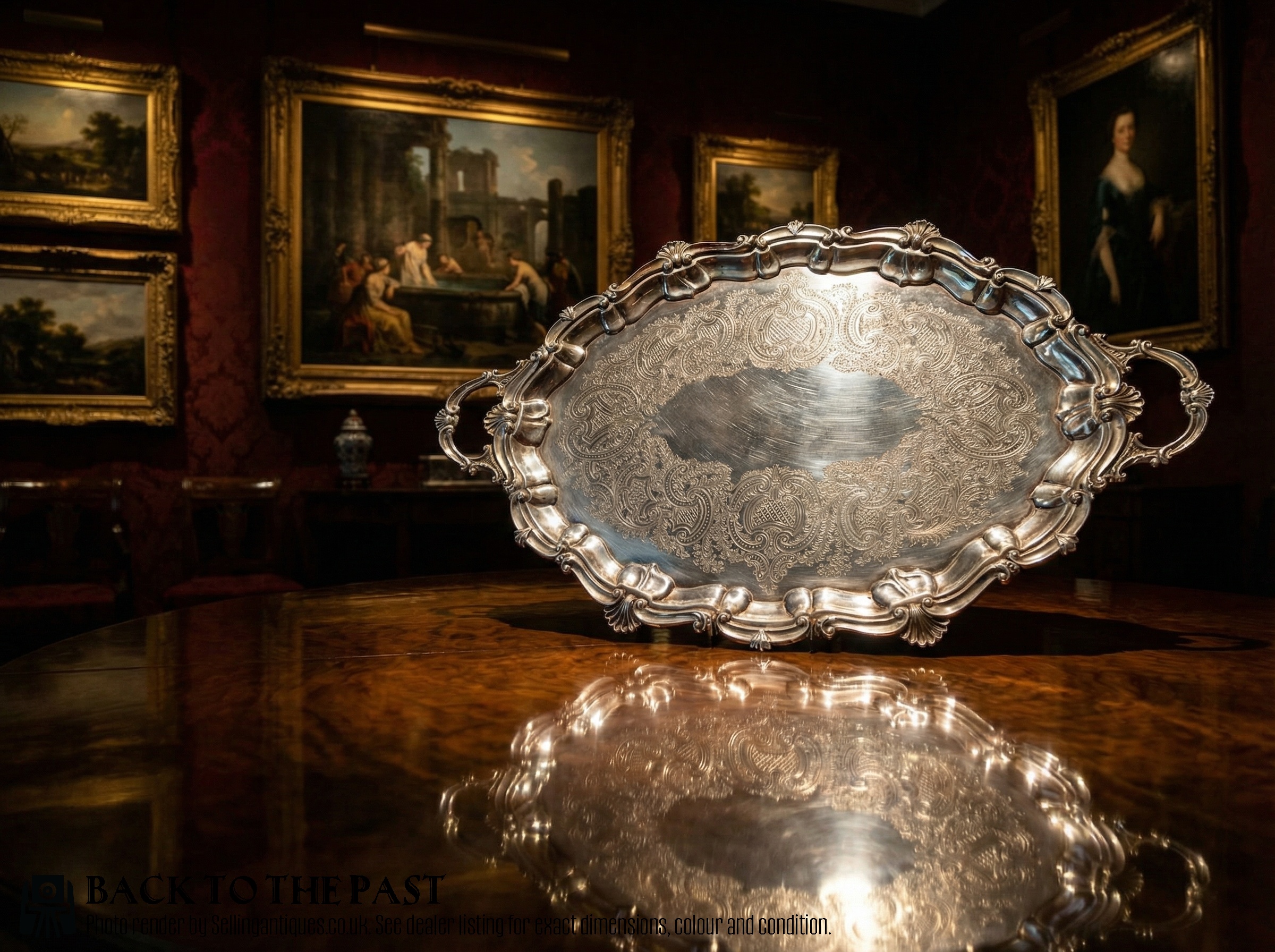
Rococo Style Tray
A rococo style tray draws heavily on the asymmetrical scrolls, shell motifs, and exuberant flourishes of the French 18th century and its later 19th-century revivals. When buyers search for rococo style tray items, they encounter serving trays, decorative dishes, and salvers executed in varied materials.
The versions most commonly met on this page date from the 19th century and the early 20th century, capturing Victorian Rococo Revival and Louis XV Revival aesthetics. These functional serving pieces and decorative trays demonstrate the enduring appeal of elaborate, nature-inspired ornamentation.
Many of these pieces serve as practical tabletop accessories or decorative centerpieces rather than everyday kitchenware. Their forms range from porcelain dishes to silver plated trays, reflecting how makers adapted historic styles for later domestic interiors.
How they were made
Makers utilised cast or spun metals such as ormolu, brass, and silver plate to create structured frames with heavy relief work and applied handles. Gilding and gold leaf finish these metal surfaces to achieve a bright, reflective sheen.
Ceramic versions combine hand-painted porcelain with intricate gilt borders, drawing on traditions from factories like Dresden, Minton, and Samson. Wood examples incorporate kingwood marquetry, blending cabinetmaking skill with ornate metal mounts.
What varies in quality
The crispness of the chased or cast ornament dictates the visual success of metal pieces, separating sharp, hand-finished detailing from softer, mass-produced casts. Weight and gauge also matter significantly in silver plated and brass items.
Painted porcelain components show distinction in the fineness of the brushwork and the richness of the gilding. Superior examples display carefully executed hand-painted scenes rather than transfer-printed decoration.
Charles Boyton·Paul Müller Selb·Helena Wolfsohn
The Rococo Style Tray Glossary
- Ormolu
- Gilded bronze, widely utilised in French furniture mounts and decorative objects during the 19th-century revivals. It provides a rich, warm golden tone when polished.
- Marquetry
- Inlaid wood veneers arranged to form decorative patterns or pictorial scenes on furniture and trays. Master craftsmen select varied timbers to create natural colour contrasts.
- Salver
- A flat metal tray used for serving drinks or presenting items, typically standing on small feet. In silver and silver plate, these display formal chased borders.
- Louis XV Revival
- A 19th-century design movement inspired by the flamboyant curves and asymmetry of the mid-18th century. It dominates many trays and tables of this era.
Rococo Style Tray: Frequently Asked Questions
How do I clean a metal tray?
Dust metal pieces gently with a soft cloth to protect the surface finish.
Avoid abrasive polishes that might wear away thin layers of silver plate or ormolu gilding.
Are these trays food safe?
Most antique metal and porcelain trays suit decorative display rather than modern food service.
Silver plated and porcelain items may also have historic lacquers or finishes that should not contact food directly.
How do I date a porcelain tray?
Examine the base for maker marks, factory stamps, or hand-painted signatures.
Stylistic details, such as border patterns and colour palettes, also point toward specific decades like the Victorian era.
Can I use these on a coffee table?
These trays function well as tabletop organisers for candles, books, or small decorative objects.
Their raised rims help contain smaller items while adding texture to flat furniture surfaces.