



Rococo Style Stools
Rococo style stools bring flamboyant curves and rich upholstery into a room, offering both decorative presence and practical seating.
Rococo Style Stools
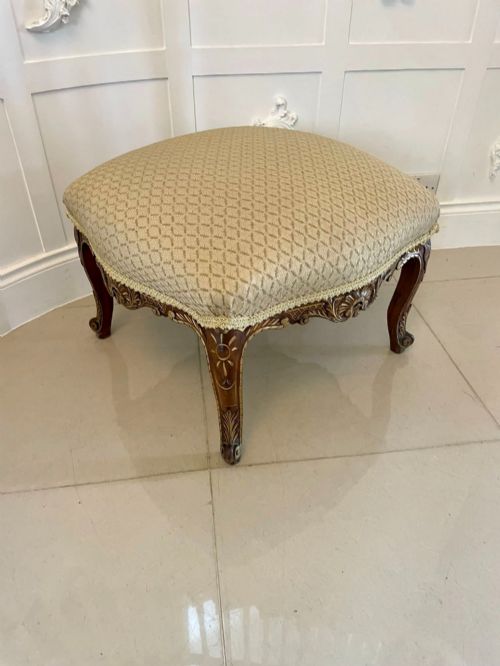
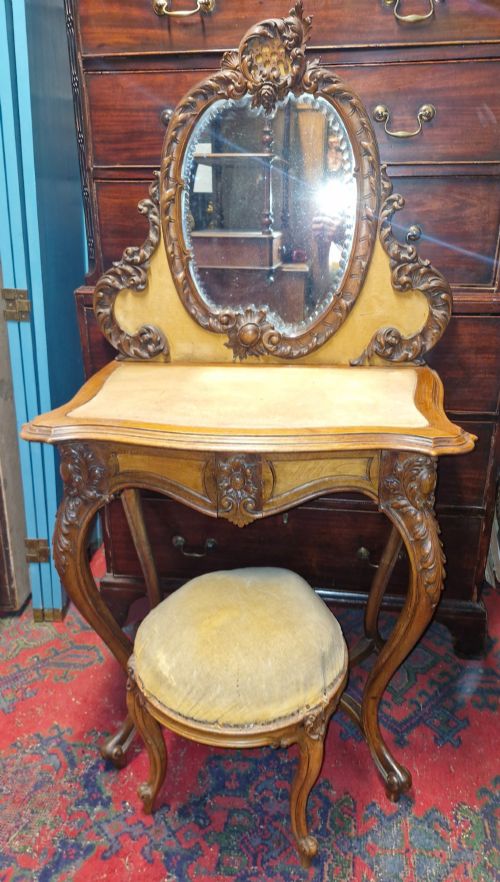
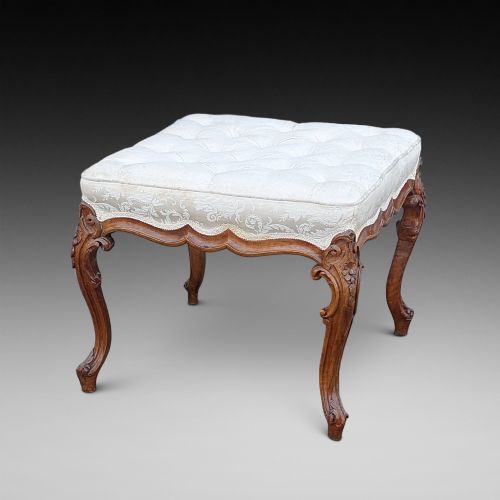
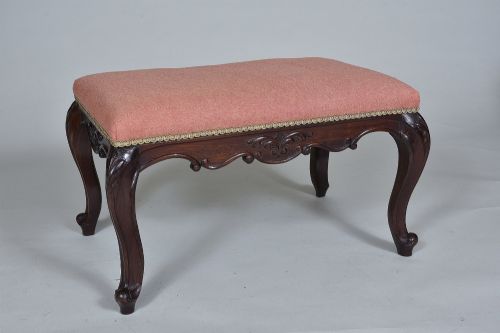
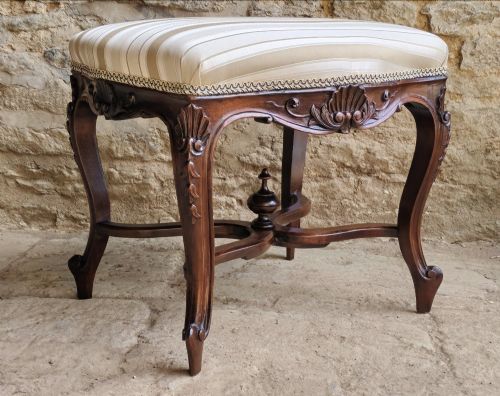
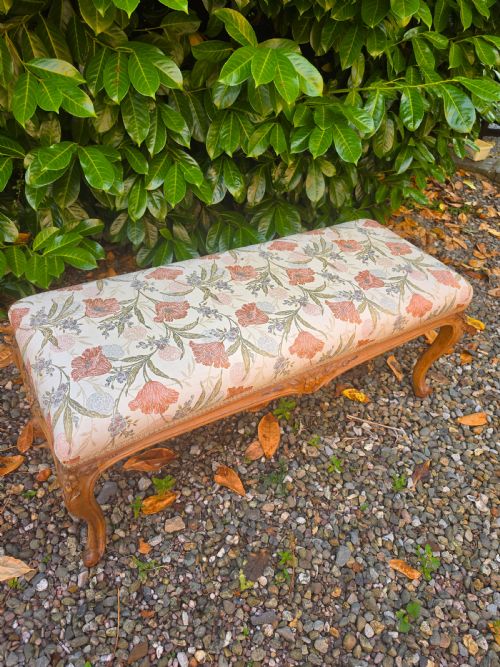
Rococo style stools combine exuberant carving with compact proportions, serving primarily as footstools, window seats, or dressing table companions. When searching for rococo style stools, a buyer encounters pieces originating predominantly from the nineteenth century, including Victorian interpretations and Louis XV revival designs. These low seats often feature upholstered tops supported by distinctive frames that echo eighteenth-century continental aesthetics.
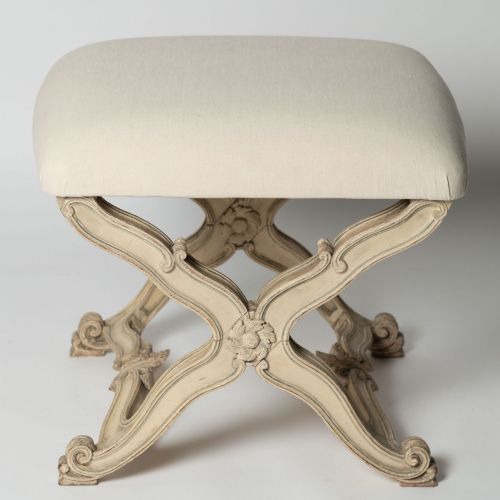
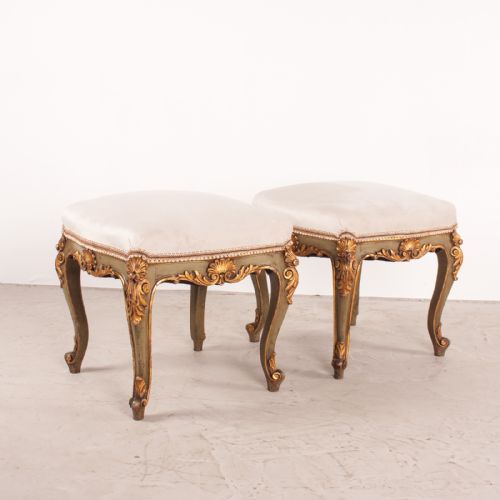
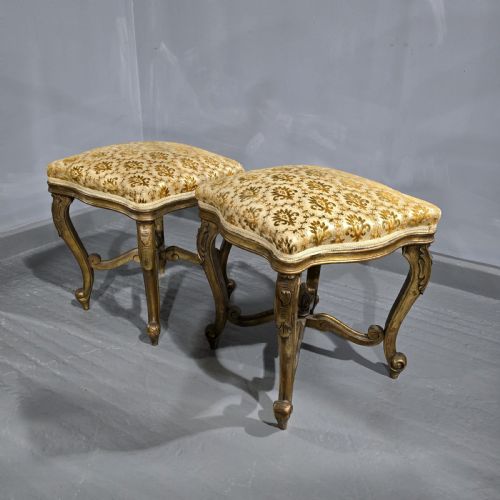
The selections available range from single salon stools to matched pairs with painted, gilded, or polished wooden finishes. Walnut, mahogany, and giltwood form the structural foundation of most examples, while textile coverings span from plain fabrics to rich velvets. Makers of these nineteenth-century and early twentieth-century pieces adopted the characteristic asymmetry and organic motifs of the rococo revival movement.
How They Were Made
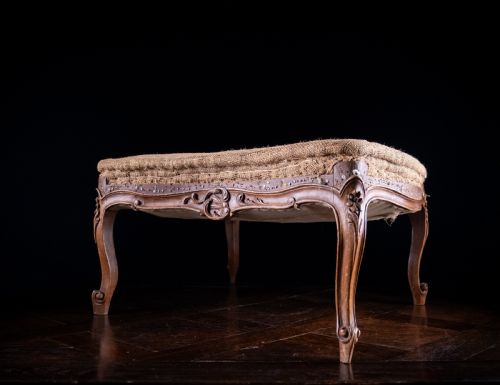
Cabinetmakers constructed the frames of these stools using solid hardwoods such as walnut and mahogany, alongside softer timbers intended for gilding or painting. Carpenters shaped the wood by hand, carving scrolls, foliage, and asymmetrical flourishes directly into the rails and legs. Giltwood examples received thin layers of gold leaf applied over a prepared gesso and bole base on wood.
Upholstery techniques involved webbing and stuffing mounted directly onto the wooden frame or dropped in as a separate padded seat. Makers utilised traditional textile materials including woven fabrics and velvet, secured with brass tacks or decorative gimp braid. Painted finishes were layered directly onto the carved wooden surfaces, sometimes combined with parcel gilding to highlight specific carved details.
Current listings feature walnut, mahogany, and giltwood among the primary materials used for nineteenth-century and early twentieth-century frames.
What Varies in Quality
The depth and crispness of the hand carving dictate the visual standard of a stool, separating fluid, deeply undercut ornamentation from shallow, mechanical moulding. Frames constructed from dense hardwoods like walnut demonstrate greater structural integrity than those made from inferior or softer woods. The proportion and balance of the cabriole legs determine whether a piece maintains an authentic eighteenth-century silhouette or appears awkward.
Original surface treatments, whether patinated walnut, aged gilding, or period paint, retain more character than poorly executed modern re-finishes. The quality of the upholstery work and the selection of complementary textiles also influence the overall standard of the piece. Matching pairs command particular attention due to the difficulty of sourcing uniform seating from the nineteenth century.
The Rococo Style Stools Glossary
- Cabriole leg
- A furniture leg that curves outward at the knee and tapers inward toward the ankle, ending in a foot. This form derives from animal legs and defines many nineteenth-century revival seats.
- Giltwood
- Wood that has been coated with gold leaf or gold paint. This finish appears frequently on formal salon and window seats from the nineteenth century.
- Louis XV style
- A design movement inspired by the French rococo period of the mid-eighteenth century, characterised by asymmetrical curves and organic motifs. Revival versions populate the later nineteenth-century market.
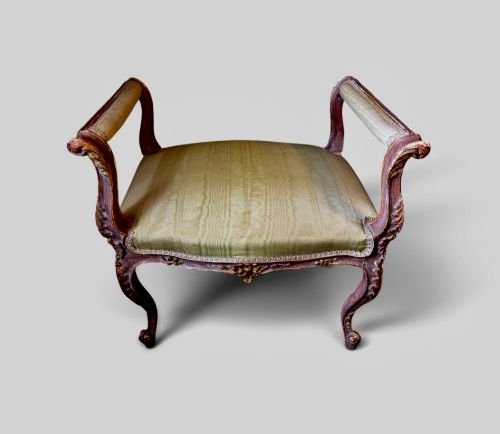
- Window seat
- An elongated stool designed specifically to fit within the recess of a window. These pieces often feature arms and elaborate carved rails.
- Parcel gilt
- A decorative treatment where only specific parts of an object are gilded, leaving the underlying wood or paint visible elsewhere. It highlights carved details on nineteenth-century frames.
Rococo Style Stools: Frequently Asked Questions
What rooms suit rococo style stools?
These stools fit well in bedrooms as dressing table seats or in living rooms as movable footstools and low seating. Their compact footprint allows them to tuck easily beneath tables or beside windows.
Formal salons and hallways also accommodate them well, especially paired examples placed beneath mirrors or against panelled walls.
How do I identify a revival piece?
Nineteenth-century revival pieces often display machine-sawn timber marks hidden beneath the upholstery, alongside hardware styles characteristic of the Victorian era. The wood species and construction methods align with nineteenth-century cabinetmaking rather than eighteenth-century workshops.
Examining the underside reveals modern screws, glue blocks, or webbing that confirm a later date of manufacture despite the historical style.
Are painted finishes original on these?
Many nineteenth-century stools received decorative painted or gilded finishes intended to mimic earlier French furnishings. Original paint shows consistent craquelure, wear patterns, and tonal variation acquired over decades of use.
Subsequent overpainting often conceals the original surface, so examining edges and hidden areas helps determine the age of the decorative layer.
How should I care for giltwood?
Giltwood requires dry dusting with a soft, non-abrasive brush to prevent damage to the delicate metallic leaf. Moisture and harsh cleaning agents strip the gold leaf from the underlying gesso base.
Placing these pieces away from direct sunlight and strong heat sources protects the fragile surface materials from cracking or flaking.