



Rococo Style Pier Mirror
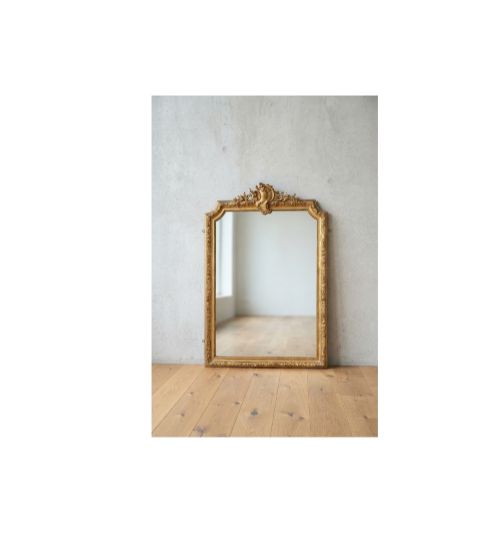
A rococo style pier mirror brings grand architectural presence and reflective light into a room through elaborate asymmetrical scrolling frames.
Rococo Style Pier Mirror
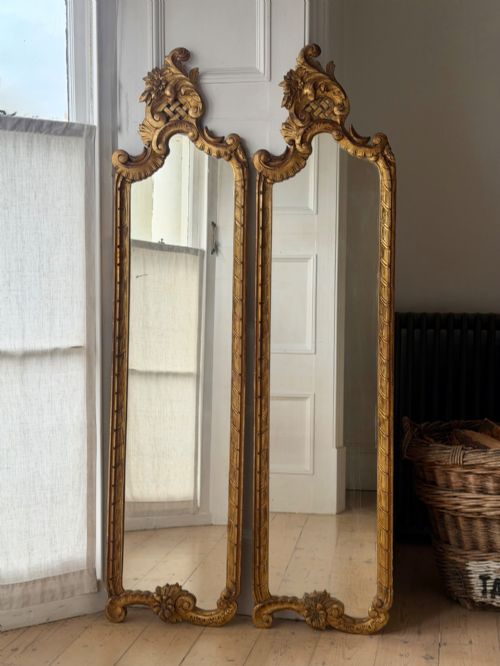
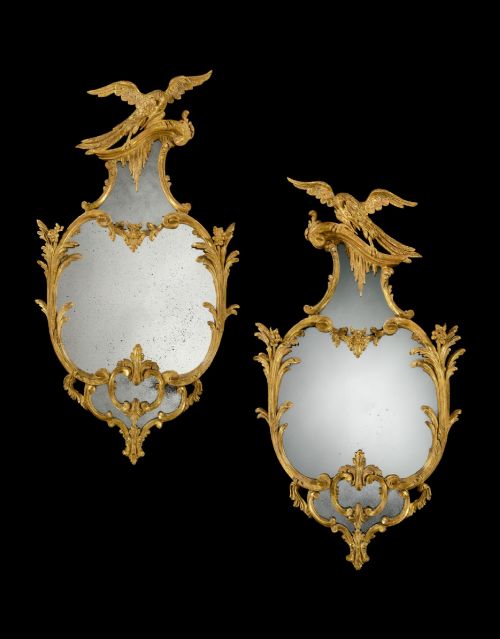
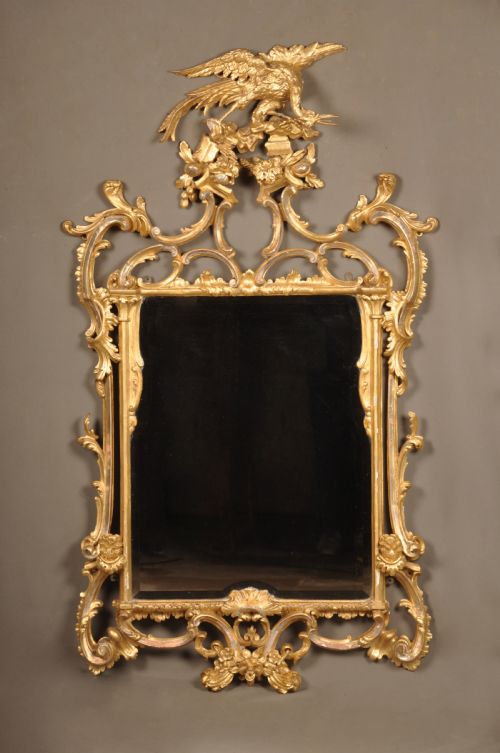
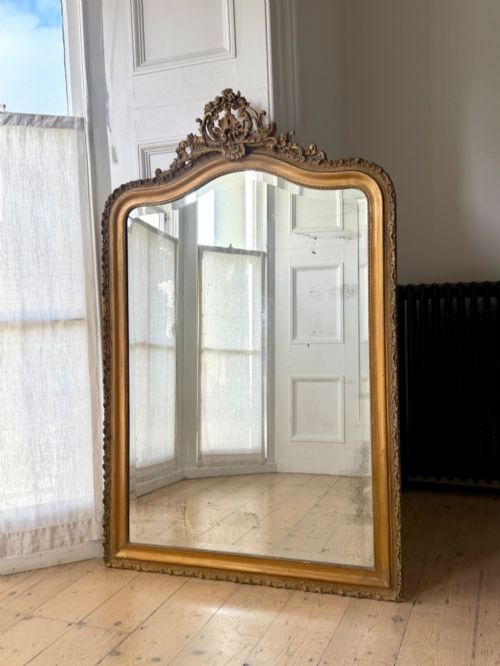
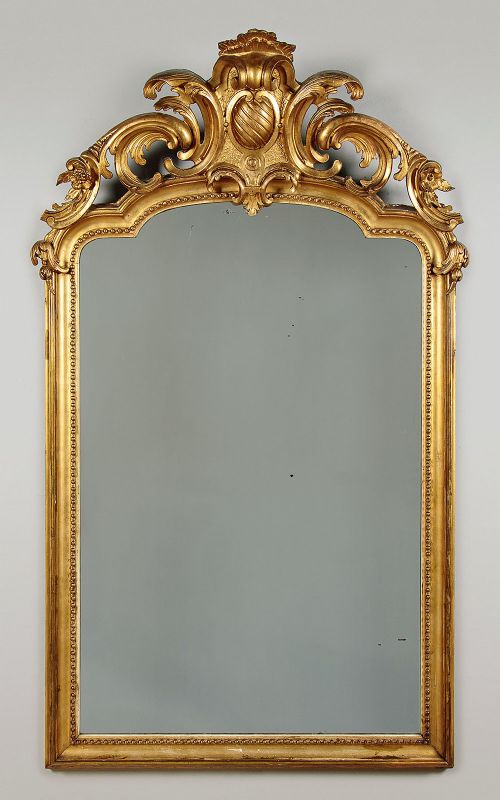
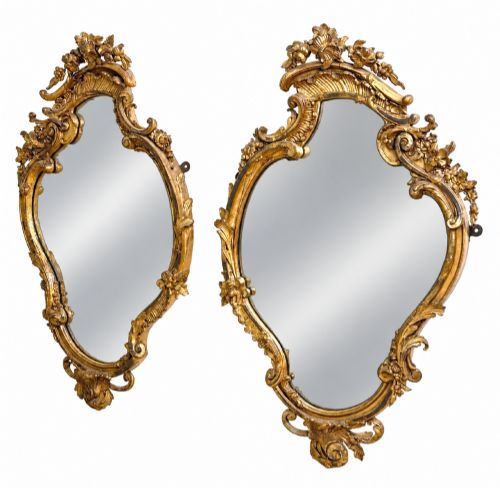
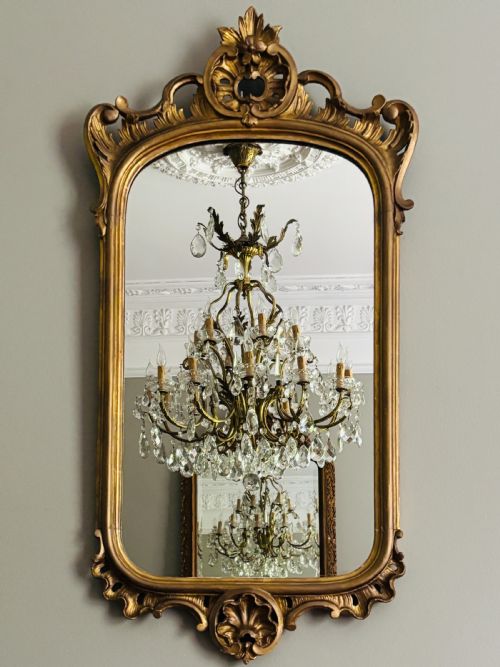
A rococo style pier mirror serves primarily to occupy the wall space between windows, often pairing visually with a console table beneath it. The pieces found on this page span the nineteenth century predominantly, drawing heavily on French Louis XV and Italian design vocabulary.
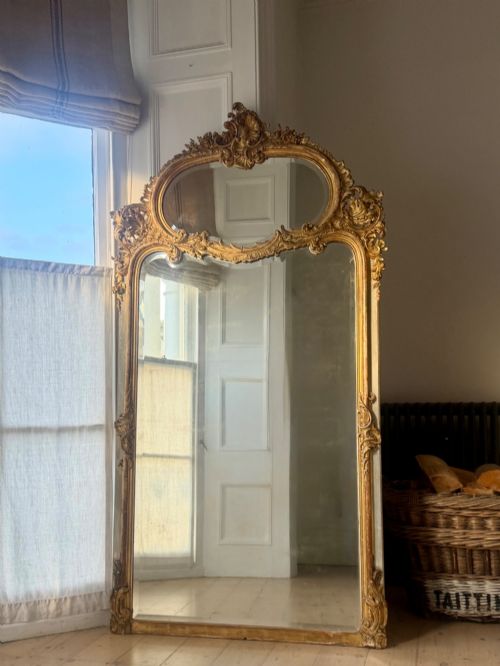
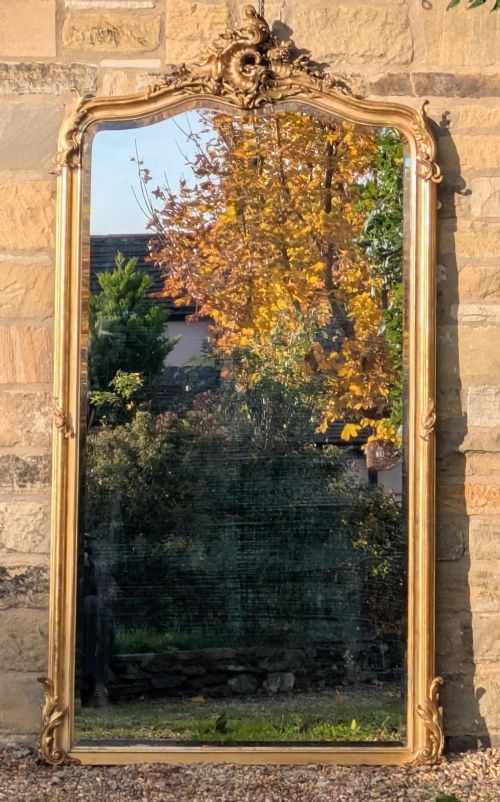
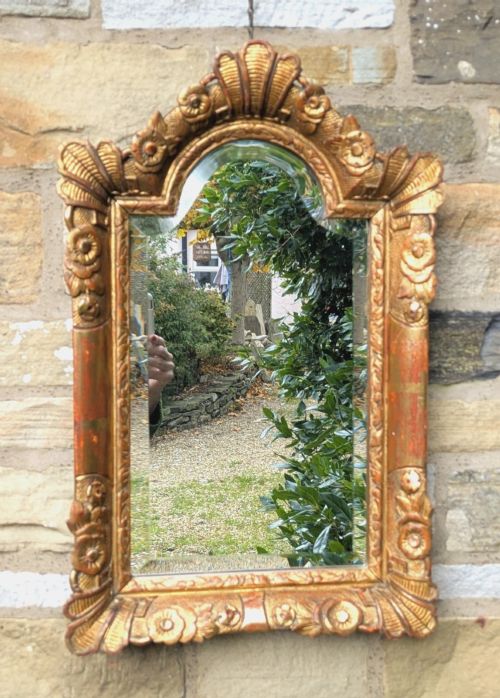
Most examples take tall, vertical proportions to fit narrow wall piers, though wider overmantel formats also appear. Carved wooden frames dominate the selection, bringing characteristic C-scrolls, S-scrolls and naturalistic floral motifs into the domestic interior.
Materials and construction methods
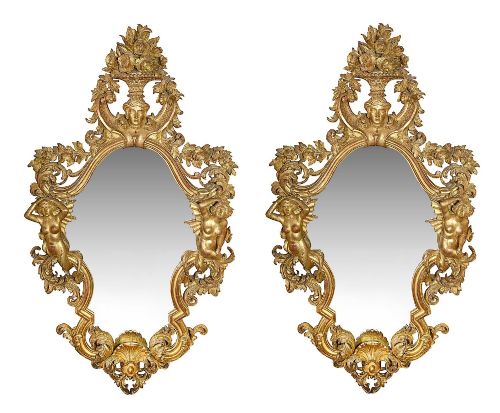
Makers constructed the structural frames from carved wood, applying layers of gesso to build up the intricate relief work before applying gold leaf or liquid gilt. This combination allowed artisans to achieve deep undercut foliage and delicate scrolling without excessive weight.
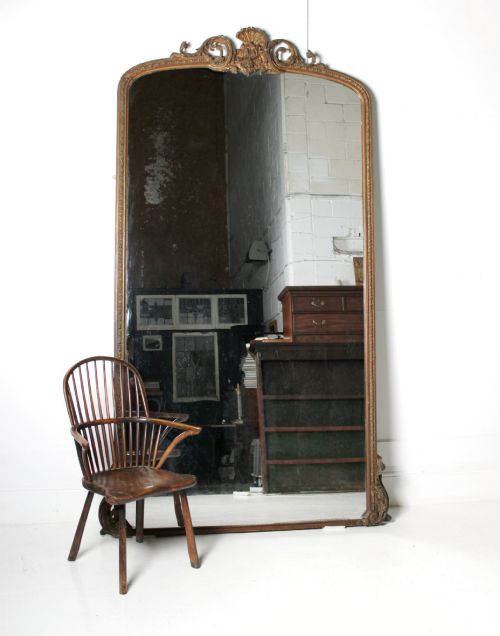
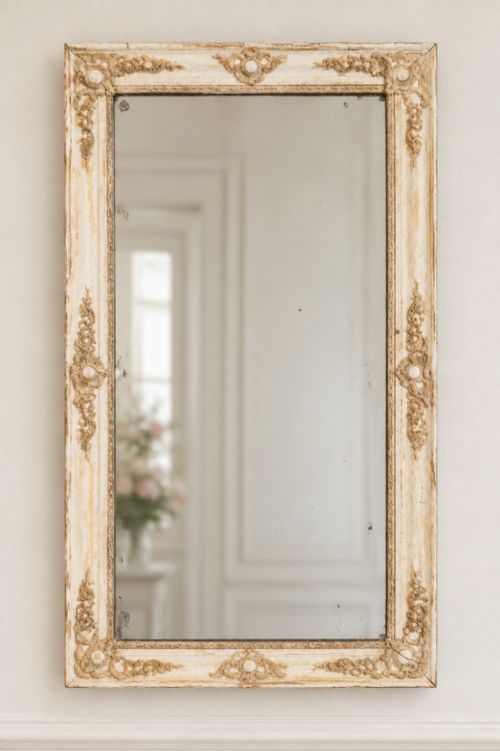
Reflecting surfaces rely on traditional mirror glass, with several examples retaining original mercury glass or bevelled plates. The reflective panels often follow shaped arched tops to complete the ornate silhouette of the frame.
Rococo Style Pier Mirror Retail Price Guide 2026
Typical asking prices for rococo style pier mirror among the pieces listed under this phrase on Sellingantiques today, from the lower quarter to the upper quarter. They describe what is for sale here now, not the wider market.
Many historical pier mirrors include subtle asymmetries intended to trick the eye into seeing continuous motion across the carved foliage.
Distinctions in craftsmanship
The depth and crispness of the wood carving separate superior items from simpler production, as master carvers achieved genuine three-dimensional movement in the foliage and scrolls. Finer examples maintain sharper detail in the gesso mouldings underneath the gilding.
Originality of the glass plate and the depth of the gilding layers contribute substantially to the character of a piece. Earlier plates display natural foxing and subtle imperfections that demonstrate considerable age.
The Rococo Style Pier Mirror Glossary
- Pier glass
- A tall mirror designed specifically for placement on the narrow wall space between two windows. These pieces often hang directly above matching console tables.
- Gesso
- A plaster-based mixture applied to wooden frame substrates to provide a smooth, absorbent surface for gilding. Artisans carved fine details directly into this hardened layer.
- Mercury glass
- An early type of mirror plate created by pouring a mercury and tin amalgam behind double-walled glass. This technique produces a characteristic mottled reflectivity over time.
- Giltwood
- Timber that has been coated with thin sheets of gold leaf or metallic powder. The technique protects the wood while creating a brilliant reflective surface.
- Cartouche
- An ornamental frame resembling a rolled-up piece of paper or parchment with scrolled edges. This motif appears frequently at the crests of nineteenth-century mirrors.
Rococo Style Pier Mirror: Frequently Asked Questions
Where should I hang a pier mirror?
These mirrors suit narrow wall spaces between tall windows, traditionally positioned to bounce daylight back into the room. They also function effectively above mantlepieces or low console tables.
Ensure the wall construction supports the substantial weight of carved wood and glass frames, using appropriate fixings to secure the tall vertical structure safely.
How do I identify a nineteenth-century frame?
Nineteenth-century interpretations of earlier French and Italian designs often use heavier gesso build-ups and machine-rolled glass alongside hand-carved elements. Examination of the timber backing and joinery reveals the manufacturing era.
Stylistic cues include pronounced asymmetric C-scrolls and naturalistic floral elements executed within Victorian or Edwardian workshops.
What is mercury glass?
Mercury glass refers to double-walled blown glass objects or flat mirror plates backed with a silvering amalgam. Over decades, chemical reactions create dark spots known as foxing.
This ageing process gives the glass a soft, atmospheric reflectivity distinct from modern chemical silvering methods.
Are these mirrors fragile?
The combination of heavy wooden frames, gesso relief and large glass plates requires careful handling during transport and installation. Wall mounting demands secure anchor points into structural studs or masonry.
Routine maintenance involves gentle dusting with a dry cloth, avoiding harsh chemical cleaners that might damage the historical gilt surface.