



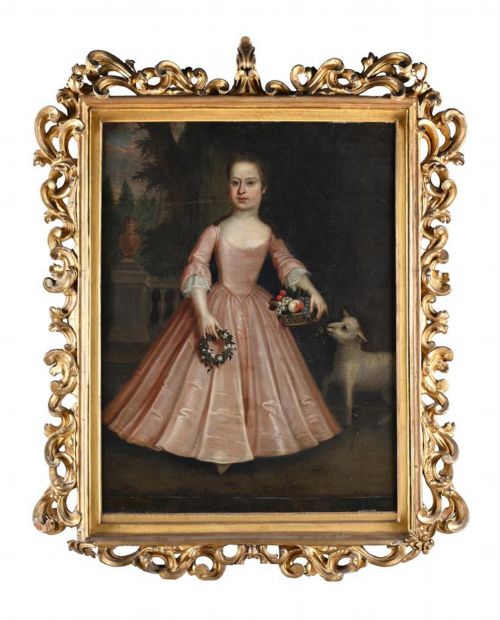


Rococo Style Framed Canvas
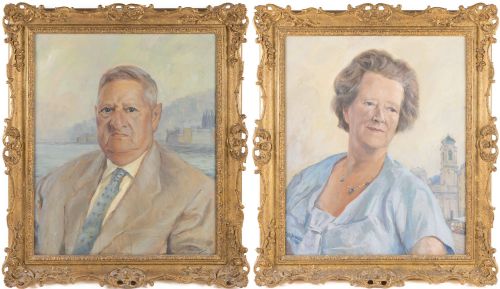
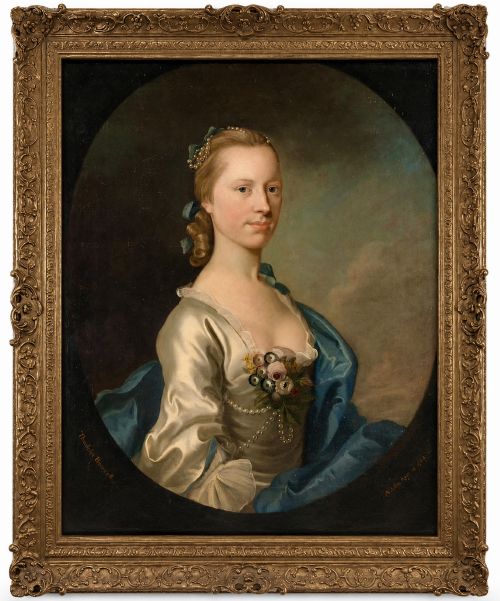
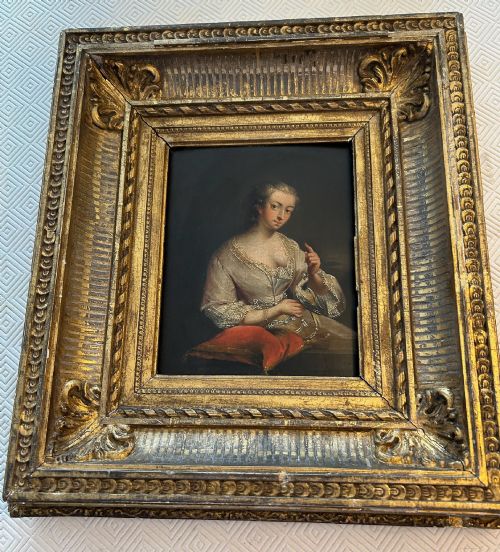
A rococo style framed canvas brings together painted oil works and ornate, sweeping surrounds reminiscent of eighteenth-century courtly life.
Rococo Style Framed Canvas
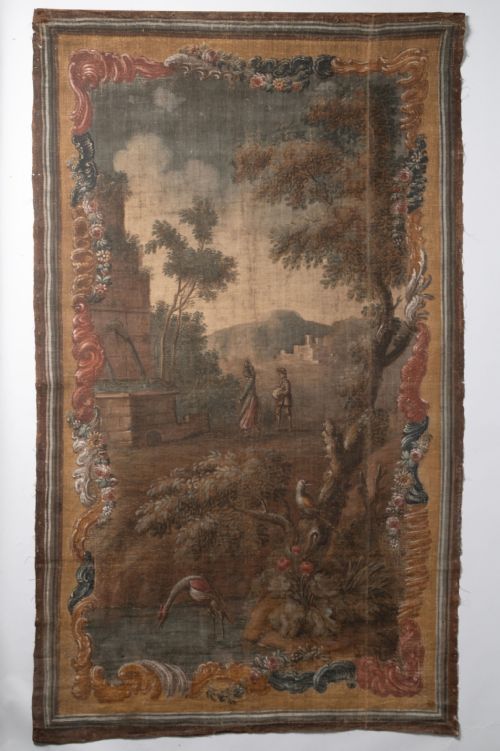
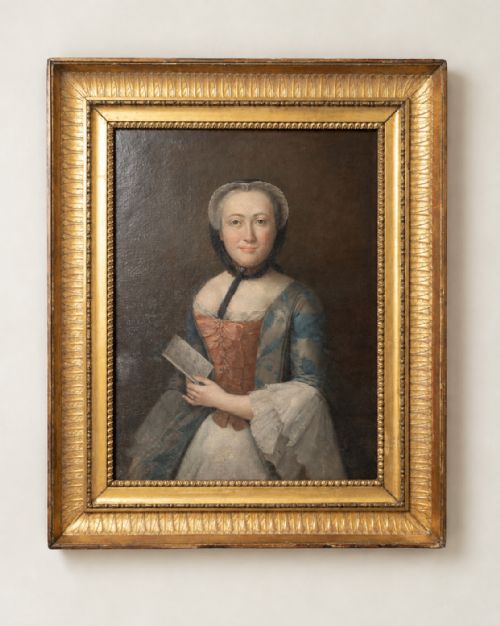
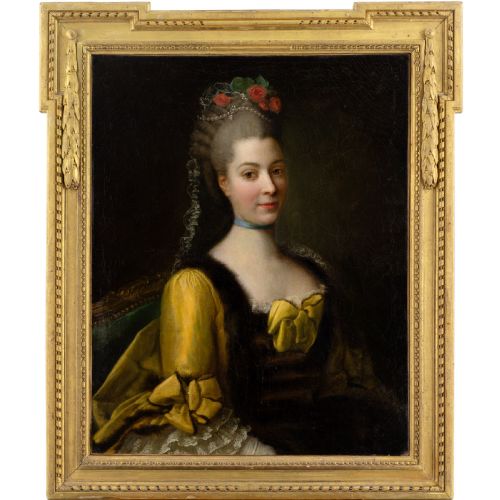
When you search for a rococo style framed canvas, you encounter oil paintings and pastels paired with elaborate picture frames that reflect eighteenth-century aesthetics. These works span the eighteenth and nineteenth centuries, alongside mid-century interpretations from Italy and France.
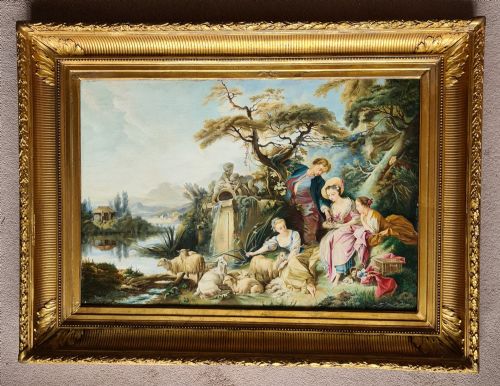
The subjects range from portraits of elegant women and historical genre scenes to ballroom interiors, garden roses, and Venetian canals. Many pieces echo the manner of artists such as François Boucher, Jean-Baptiste Greuze, and Jean-Antoine Watteau.
You are most likely to meet portraits and figurative genre scenes housed in swept giltwood or gesso frames. These items capture the theatrical, decorative spirit associated with French rococo revival and regional European schools.
How they were made
The painted surfaces utilise oil paint or pastel applied to woven canvas supports. Canvases are stretched across wooden frames before receiving their finished compositions.
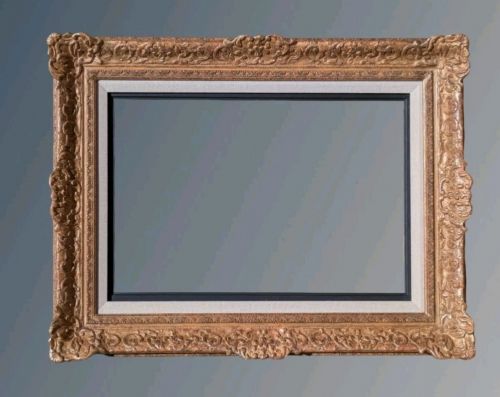
Surrounding surrounds are constructed from wood, embellished with gesso, and finished with gold leaf or gilding. This combination creates the characteristic swept, undulating profiles typical of the style.
Rococo Style Framed Canvas Retail Price Guide 2026
Typical asking prices for rococo style framed canvas among the pieces listed under this phrase on Sellingantiques today, from the lower quarter to the upper quarter. They describe what is for sale here now, not the wider market.
Several canvases capture aristocratic courtiers casually pausing to play chess or take afternoon tea in Versailles.
What varies in quality
Quality rests in the fluidity of the brushwork and the expressive handling of the painted figures, distinguishing accomplished studio output from more formulaic interpretations. The depth and definition of the carved or moulded gesso on the frame also dictate the visual strength of the piece.
The harmony between the canvas and its housing plays a significant role, as period frames tailored specifically to the artwork elevate the overall presence of the composition.
Francois Boucher·Allan Ramsay·Jean-Baptiste Greuze·Johann Hamza·Nicolas Fouche·John Simmons·Paul Schier·Jean-Antoine Watteau·Ernest Higgins Rigg·Edward Alcock·Marcel Brunery·Carlo Ferranti·Charles Augustus Henry Lutyens·Philip Mercier
The Rococo Style Framed Canvas Glossary
- Giltwood
- Wood that has been coated with a thin layer of gold leaf. This finish provides a luminous, reflective surface characteristic of decorative frames.
- Gesso
- A plaster-like mixture applied to wooden frames to create a smooth surface for carving or gilding. It allows for intricate, raised ornamentation.
- Swept frame
- A picture frame featuring curving, undulating profiles. This design complements the asymmetrical scrolls typical of rococo decoration.
- Genre painting
- Artwork depicting scenes from everyday life or historical narratives involving ordinary people. These compositions often show domestic interiors or social gatherings.
Rococo Style Framed Canvas: Frequently Asked Questions
What subjects do these paintings feature?
The artworks predominantly depict historical portraits of elegant women, courtiers, and gentlemen engaged in leisure activities. You will also find genre scenes, ballroom interiors, and floral still lifes.
Many of these compositions pay homage to eighteenth-century French masters through formal portraiture and theatrical woodland gatherings.
Are the frames original to the canvases?
Some pieces retain period giltwood or gesso frames that match the era of the painting. Others incorporate later revival frames chosen to complement the ornate aesthetic.
The relationship between canvas and surround varies across individual listings.
How do I date a framed canvas?
Dating relies on examining the canvas material, the pigments used in the oil paint, and the construction methods of the wooden support. Stylistic indicators within the portraiture also offer clues to the period.
Frame construction, particularly the application of gesso and gold leaf, provides additional chronological markers.
Where were these pieces produced?
The listings originate from various European schools, with a strong emphasis on French and Italian traditions. Regional workshops in Britain and across Europe also contributed to this body of work.
Styles span from authentic eighteenth-century output to nineteenth-century revivals and mid-century interpretations.