


Rococo Style Console Table
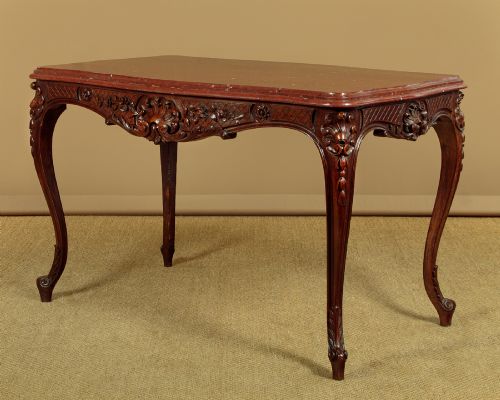
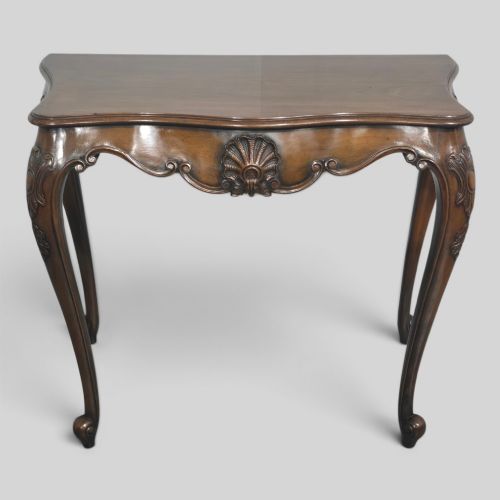
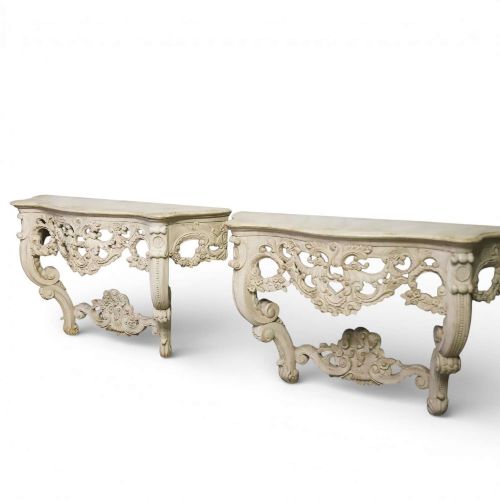
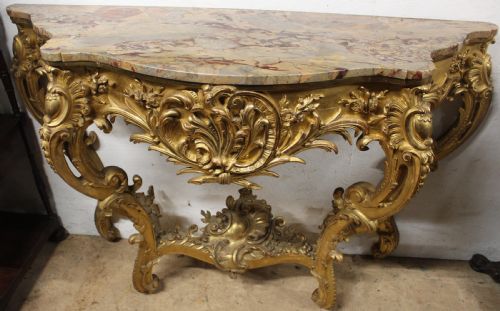
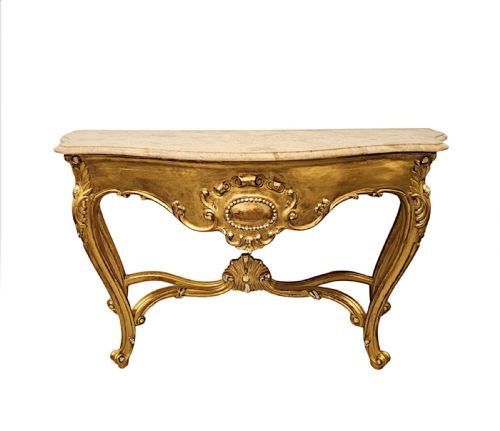
A rococo style console table brings fluid, asymmetrical carved lines and heavy marble tops into an interior.
Rococo Style Console Table
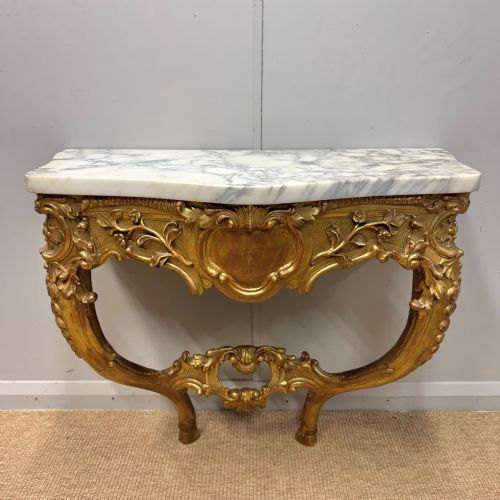
A rococo style console table is a decorative wall-mounted or freestanding furniture piece defined by theatrical, curving lines and ornate ornamentation. When buyers search this phrase, they encounter pieces originating largely from the nineteenth century, alongside earlier eighteenth-century examples and twentieth-century revivals.
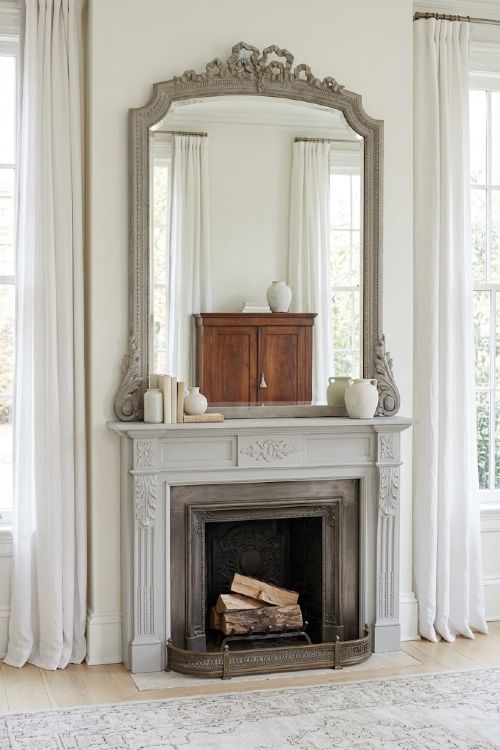
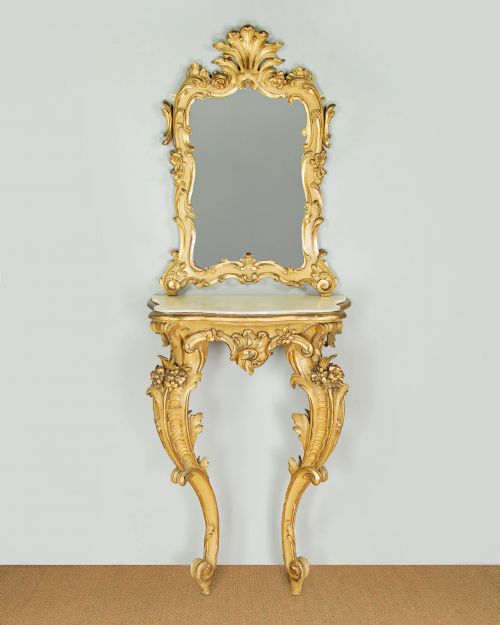
The versions most commonly met on this page span the Victorian era, the nineteenth century generally, and early twentieth-century decades like 1920 and 1930. These tables frequently appear paired with matching mirrors or topped with heavy slabs of marble.
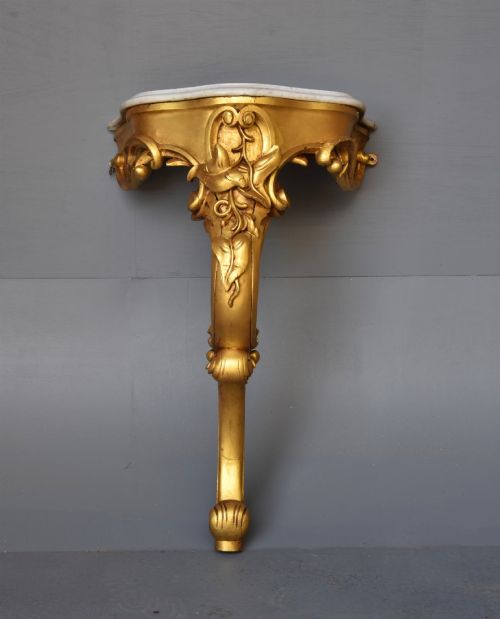
Origins stretch across French, Italian, and British workshops adhering to Louis XV and Rococo Revival idioms. Forms range from demi-lune wall consoles to larger centre tables sharing the same sculptural vocabulary.
Materials and Construction Methods
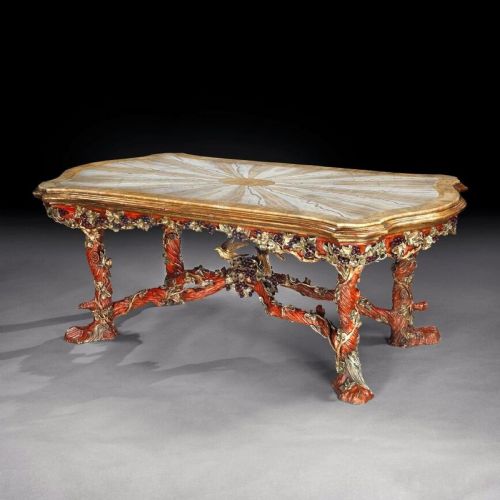
Makers shaped these tables from solid woods like walnut, oak, and mahogany, often applying gesso layers to build up intricate, high-relief scrollwork before gilding or painting. Giltwood surfaces reflect the intensive labour of applying thin metal leaf over prepared grounds.
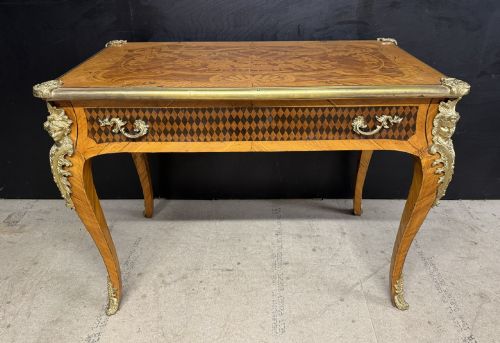
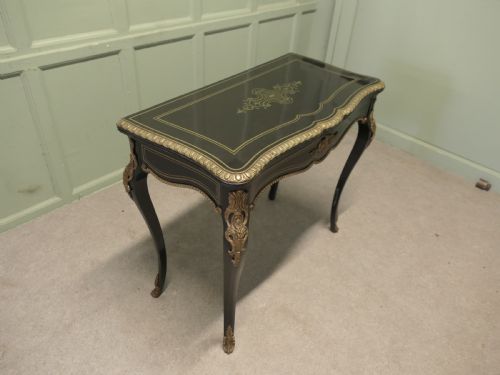
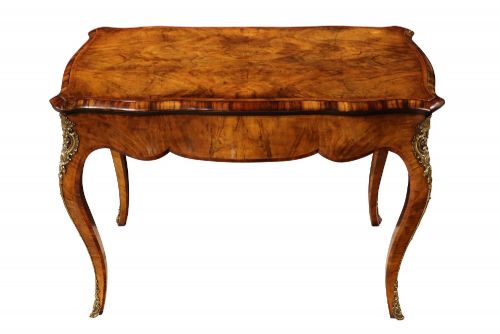
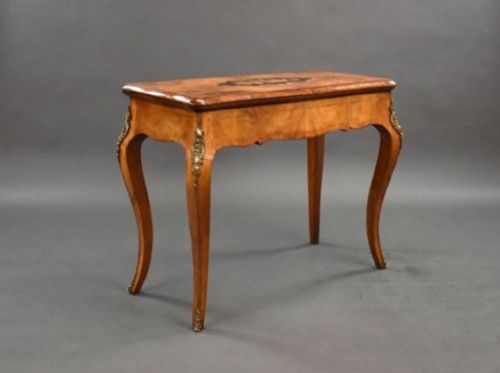
Heavy stone tops, notably white Carrara and rouge marble or onyx, rest directly upon the wooden frames to provide both a stable, cool surface and visual weight. Ormolu mounts, brass inlay, and marquetry in woods such as burr walnut or amboyna further enrich the structures.
Even the card tables brought their own entertainment, folding over quietly before anyone noticed the game had ended.
Distinctions in Quality and Execution
The hierarchy of quality rests on the depth and crispness of the carving, distinguishing hand-carved pieces with deep undercut scrolls from shallower, mechanically aided work. Superior examples demonstrate fluid symmetry in the wooden framework and tight joints that withstand the heavy load of solid marble tops.
Makers' signatures or attributions elevate specific items, separating standard decorative production from documented workshop outputs. The selection of secondary veneers, the weight of the mercury gilding, and the choice of unblemished marble slabs further dictate where a piece sits within the range.
Amleto Bertoni·Maison Millet·Edwards & Roberts
The Rococo Style Console Table Glossary
- Console table
- A table designed to stand against a wall, traditionally supported by two front legs or brackets fixed to the masonry. These pieces serve primarily for display rather than dining or writing.
- Giltwood
- Timber that has been coated with a thin layer of gold leaf or gold paint. This finish creates a luminous, reflective surface that catches interior candlelight or daylight.
- Ormolu
- Gilded bronze used for decorative mounts and furniture trim. The technique involves applying a gold-mercury amalgam to shaped bronze before firing.
- Gesso
- A paint mixture consisting of a white pigment, chalk, and glue binder. Craftsmen apply multiple layers to wood as a smooth base for subsequent gilding or painting.
- Marquetry
- Decorative patterns formed by inserting thin veneers of different woods and materials into a wooden ground. It appears frequently on tabletops and drawer fronts from the nineteenth century.
Rococo Style Console Table: Frequently Asked Questions
Are these tables meant to be bolted to the wall?
Many traditional console tables rely on wall fixings or brackets for stability because their narrow frames cannot support heavy stone tops independently. Freestanding variations also exist, particularly among centre tables adapted from similar decorative traditions.
Buyers should inspect the base construction to determine whether a specific piece requires wall attachment to remain entirely secure during daily use.
How do I care for the marble top?
Marble surfaces require gentle cleaning with warm water and a soft cloth, avoiding acidic household cleaners that can etch the polished stone. Using coasters and protective pads prevents staining and scratching from daily objects placed on the table.
Natural stone absorbs liquids over time, so wiping spills promptly preserves the original finish of antique white Carrara or rouge marble tops.
How can I tell a nineteenth-century revival piece from an eighteenth-century original?
Nineteenth-century revival pieces often display machine-tooled elements, standardised construction methods, and timber preparations characteristic of industrial workshops. Eighteenth-century examples typically show hand-cut joinery, older tool marks on the secondary timbers, and greater wear patterns consistent with extended age.
Examining the underside, the type of screws used, and the composition of the gesso layers helps clarify the manufacturing period.
Can I use a console table as a desk?
Console tables generally feature shallow depths and lack leg clearance designed for sitting comfortably for extended periods. Writing desks and games tables appear within the same stylistic families for functional seating purposes.
Placing a console table in a hallway or living room works best as a surface for lamps, mirrors, and decorative objects rather than active workspace.