


Rococo Style Centrepiece
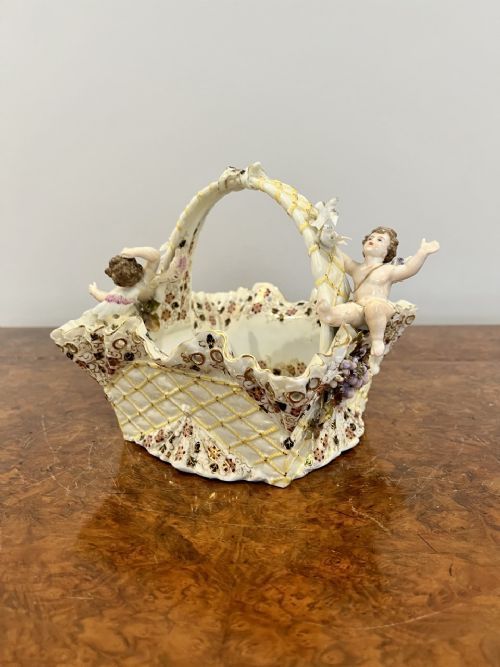
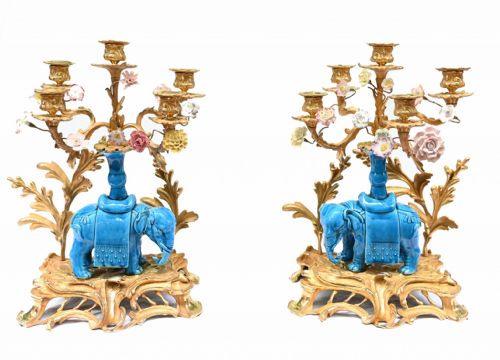
A rococo style centrepiece brings theatrical flair to a dining table, combining asymmetrical scrollwork and sculptural figures in porcelain and gilt metal.
Rococo Style Centrepiece
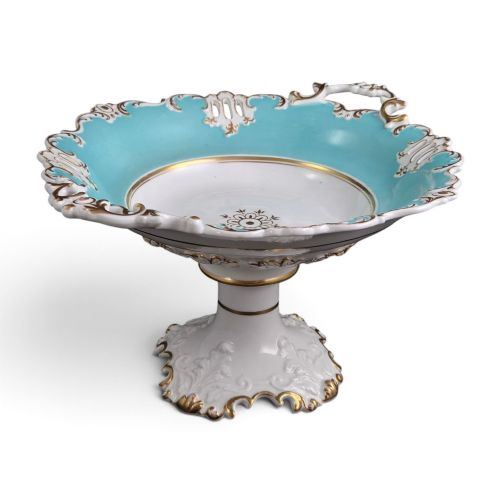
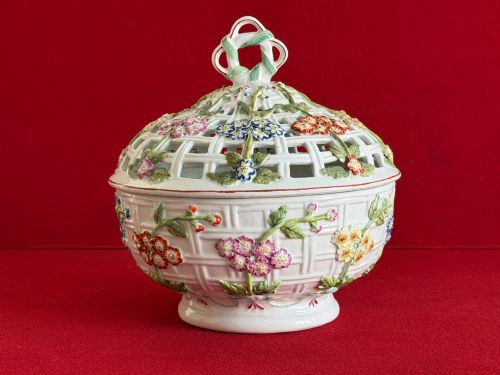
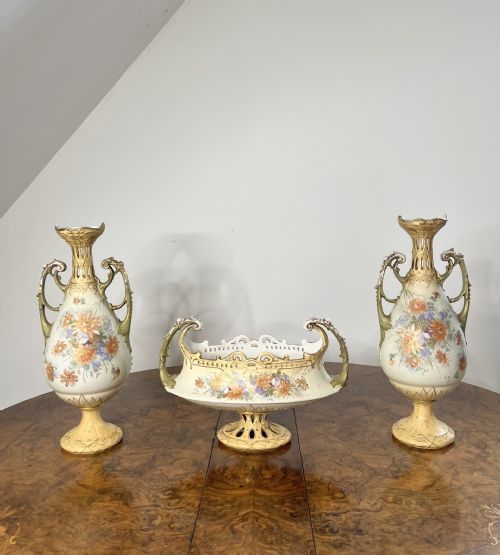
A rococo style centrepiece is a grand decorative object designed to anchor a table setting, drawing the eye with elaborate scrollwork, flora and figural ornamentation. When exploring this selection, buyers encounter diverse forms ranging from large porcelain baskets and comports to figural candelabra and tiered sweetmeat stands.
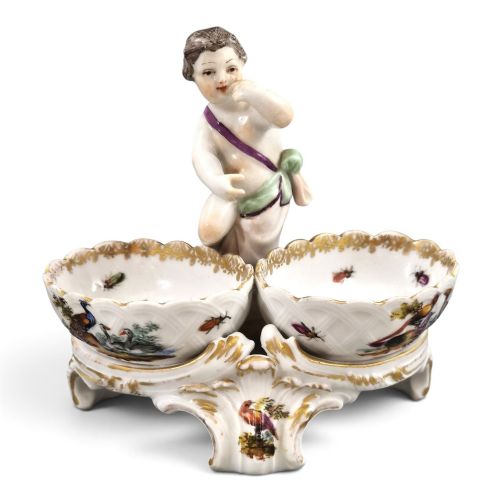
The objects span from eighteenth-century Georgian origins to nineteenth-century Victorian and continental revivals. Pieces frequently incorporate cherubs, puttis, birds and mythological motifs modeled in ceramic or cast in bronze and ormolu.
Continental factories such as Meissen, Dresden, Berlin and various German and French workshops dominate the available forms. Buyers also find English examples from factories like Derby and Coalport, each interpreting the scrolling asymmetrical vocabulary of the movement.
How they were made
Makers utilised soft-paste and hard-paste porcelain, moulding intricate floral clusters, cherubs and baskets before hand-painting the surfaces in polychrome enamels and gold leaf. Firing such large, complex ceramic forms required immense skill to prevent warping and cracking in the kiln.
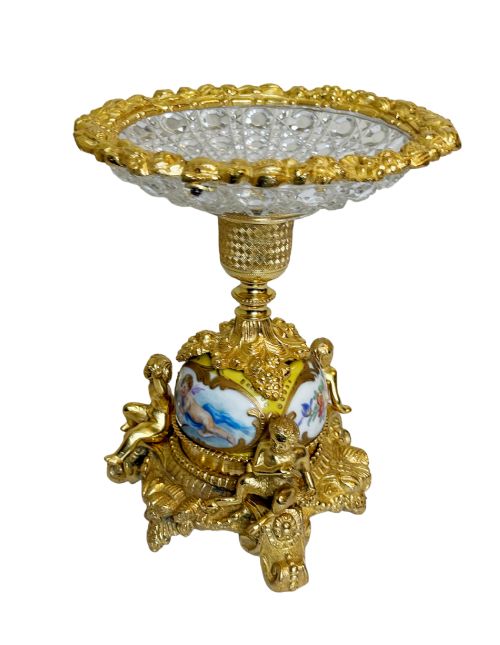
Metal components relied on bronze, brass and copper cast using the lost-wax method or sand casting, then finished with mercury gilding, ormolu, or silver plating. Cut crystal bowls and marble bases frequently complemented the metalwork, secured with threaded pins and nuts.
Gilt bronze mounts were chased by hand after casting to sharpen the scrolling acanthus leaves and shell motifs characteristic of the style. Artisans then assembled the mixed-media pieces, combining ceramic bodies with metal branches and crystal liners.
Many of these pieces feature industrious cherubs seemingly tasked with holding up fruit bowls, balancing awkwardly on gilded shells or wrestling with candelabra branches.
What varies in quality
In metalwork, the depth and sharpness of the chasing separate standard production from exceptional pieces. Fine ormolu retains a warm, golden matte and polished contrast, while inferior plating can appear brassy or flat.
The structural integration of mixed materials dictates overall standard, with top-tier examples demonstrating secure, seamless joints between porcelain bowls and gilt bronze bases. The weight and stability of the piece also reflect the substance of the materials used in its construction.
KPM Berlin·Henry Dasson·Elkington·Meissen
The Rococo Style Centrepiece Glossary
- Ormolu
- A technique of applying finely ground high-carat gold to an bronze object. This surface treatment provides a rich, warm lustre that resists tarnishing.
- Comport
- A decorative dish raised on a high foot, used for serving fruit or sweets on a formal table. These often form the central tier of a larger garniture set.
- Sweetmeat
- A small confection such as dried fruit, nuts or candy served during dessert courses. Sweetmeat figures and dishes are modelled specifically to hold these luxury treats.
- Tazza
- A shallow saucer-like dish mounted on a stem and foot. In nineteenth-century dining, these functioned primarily as decorative focal points.
- Garniture
- A set of matching decorative vessels, usually numbering three or five pieces, designed to be displayed together on a mantelpiece or sideboard.
Rococo Style Centrepiece: Frequently Asked Questions
What was a centrepiece used for?
These large ornamental objects served as the visual anchor of a formal dining table during the nineteenth century. They often held fresh fruit, flowers or sweetmeats, functioning as both decoration and a display of wealth.
Over time, their role shifted primarily to decorative display on sideboards, mantelpieces or dedicated console tables. Pairs of candelabra were frequently placed alongside them to complete a grand tablescape.
How do I clean porcelain and ormolu?
Dust porcelain gently with a soft, dry brush, avoiding water on hand-painted enamel surfaces that might be vulnerable. Ormolu mounts require only a light dusting with a dry microfiber cloth, keeping all polishes and liquids away.
Harsh chemical cleaners will strip the original fire gilding from bronze and damage delicate ceramic glazes. Professional conservation is recommended for pieces with structural instability or loose mounts.
How can I tell the period?
Examine the base marks, paste consistency and manufacturing technique to establish an approximate date of creation. Eighteenth-century pieces generally show lighter, more translucent paste and softer enamels than later nineteenth-century revivals.
Victorian and later continental reproductions often feature impressed factory numbers, bolder gilding and heavier porcelain bodies. Stylistic cues, such as the tighter symmetry of later copies compared to true antique fluidity, also help date the work.
Are these pieces safe to use?
Most antique centrepieces and candelabra are designed for decorative display rather than heavy modern utility. The delicate porcelain petals, hand-painted enamels and intricate ormolu mounts are vulnerable to everyday wear and tear.
While robust enough for careful handling, they require stable placement away from high-traffic areas or vibrations. Using them to hold dry decorative items is generally safer than filling them with water or heavy foods.